

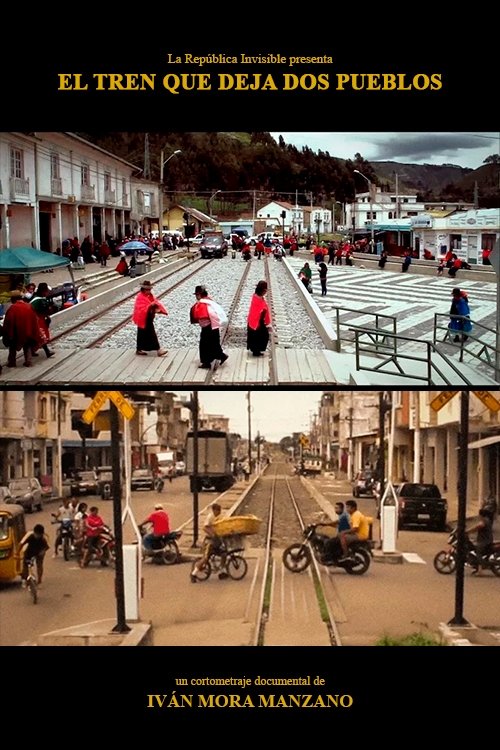
Train leaves two towns
Documentary
Overview
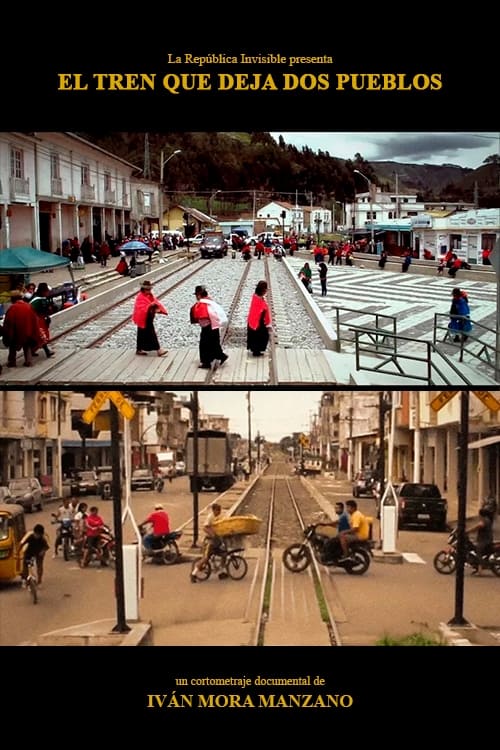
In Ecuador, in a single day, the train passes from the mountainous Andes to the tropical coast. The roads were built between 1861 and 1908 to connect the country. Until this date, the two regions live as separate countries, although the roads connect them in less than a day. The film is an observational work that talks about space and collective memory.





No cast information.
Similar Movies
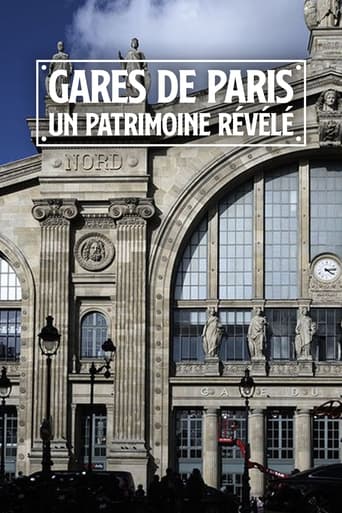
Every day, Paris’ six railway stations welcome over 3,000 trains and more than a million travelers coming from France and all over Europe. The stations’ sizes are impressive: Gare du Nord is bigger than the Louvre or Notre-Dame de Paris. These railway stations are architectural landmarks and a model of urban planning despite the radical changes they’ve undergone since their construction in the middle of the 19th century. How did the railway stations manage to absorb the boom of travelers in just a few decades? What colossal works were necessary to erect and then modify these now essential buildings? From the monumental glass walls of Gare du Nord to the iconic tower of Gare de Lyon, to the first-ever all-electric train station, each has its own story, technical characteristics, and well-defined urban image.
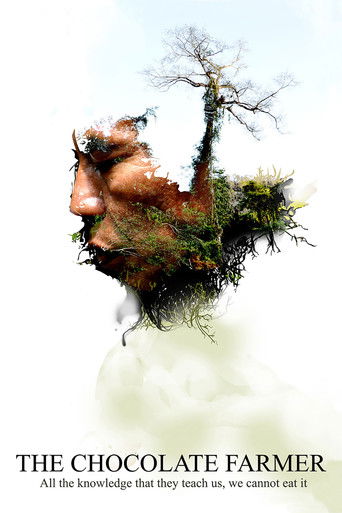
For ancient Mayans, cocoa was as good as gold. For subsistence farmer Eladio Pop, his cocoa crops are the only riches he has to support his wife and 15 children. As he wields his machete with ease, slicing a path to his cocoa trees, the small jungle plot he cultivates in southern Belize remains pristine and wild. His dreams for his children to inherit the land and the traditions of their Mayan ancestors present a familiar challenge. The kids feel their father's philosophies don't fit into a global economy, so they're charting their own course. Rohan Fernando's direction tenderly displays a generational shift, causalities of progress in modern times and a man valiantly protecting an endangered culture. Breathtaking vistas of lush rainforests contrast with the urban dystopia that pulled Pops children away from him. Will one child return to carry on a waning way of life
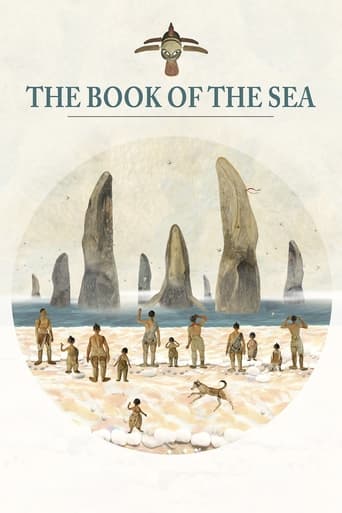
In the frigid waters off of Russia’s Bering Strait, Inuit and Chukchi hunters today still seek out the giant sea mammals that have provided their people with food since time immemorial. It is known, that the whale hunting today is controversial and subject to international criticism and regulations. But the Inuit and Chukchi hunt is permitted by international law because of the whaling is the foundation of their culture and their life. The contemporary story of elders Aleksandr and Aleksei blends seamlessly with that of “the woman who gave birth to a whale” and other ancient myths, told here in vivid animation, in this ongoing struggle for survival and preservation of a traditional lifestyle in one of the most remote places on earth.
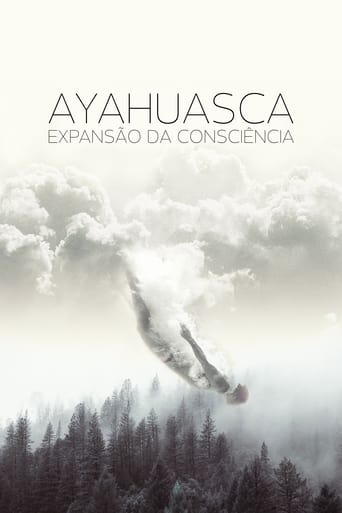
The story of Ayahuasca, from its emergence in the Amazonian Forest, to its popularity with the Santo Daime religion, and on to its arrival in urban centres. Combining scientific, religious and anthropological perspectives on the use of Ayahuasca in modern society, and in parallel with the director own healing process, for the first time, a holistic, yet balanced view of this controversial subject.
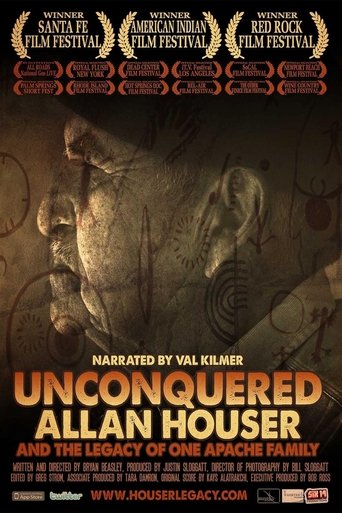
In decades past, Native American artists who wanted to sell to mainstream collectors had little choice but to create predictable, Hollywood-style western scenes. Then came a generation of painters and sculptors led by Allan Houser (or Haozous), a Chiricahua Apache artist with no interest in stereotyped imagery and a belief that his own rich heritage was compatible with modernist ideas and techniques. Narrated by actor Val Kilmer and originally commissioned as part of an exhibit of Houser’s work at the Oklahoma History Center, this program depicts the artist’s tribal ancestry, his rise to regional and national acclaim, and the continuing success of his sons as they expand upon and depart from their father’s achievements. Key works are documented, as is Houser’s tenure at the Santa Fe–based Institute of American Indian Arts.