

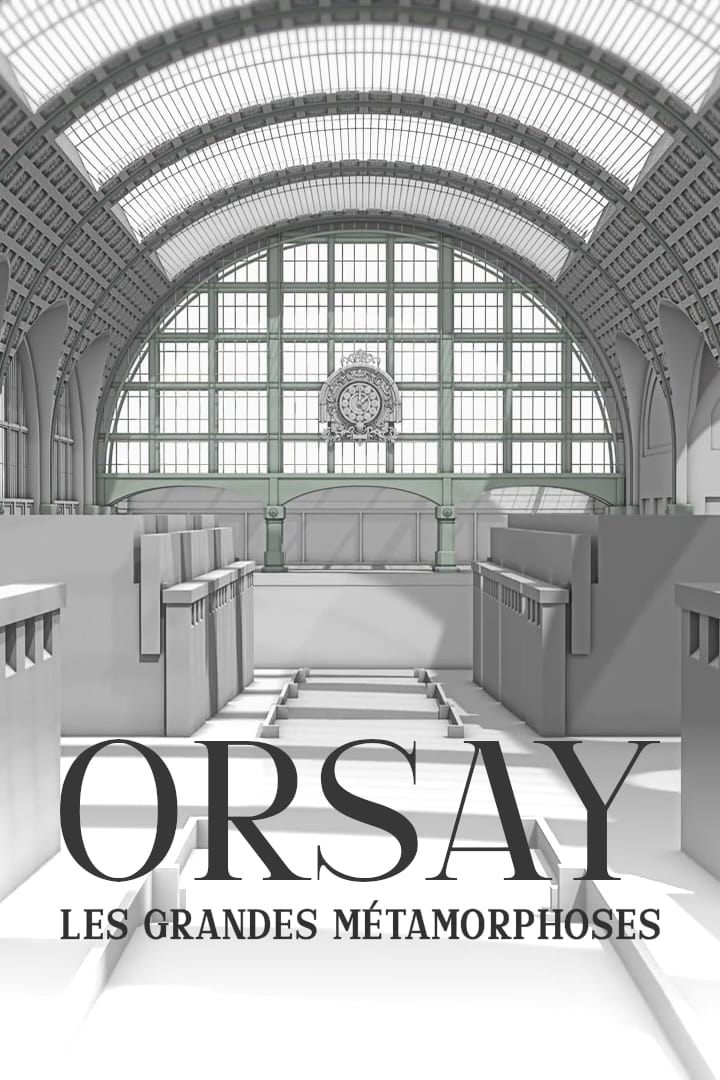
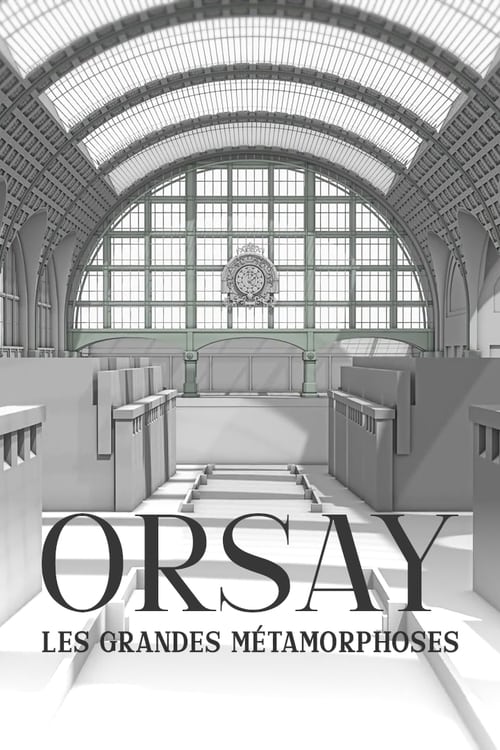
Orsay, les grandes métamorphoses
Documentary · TV Movie
Overview
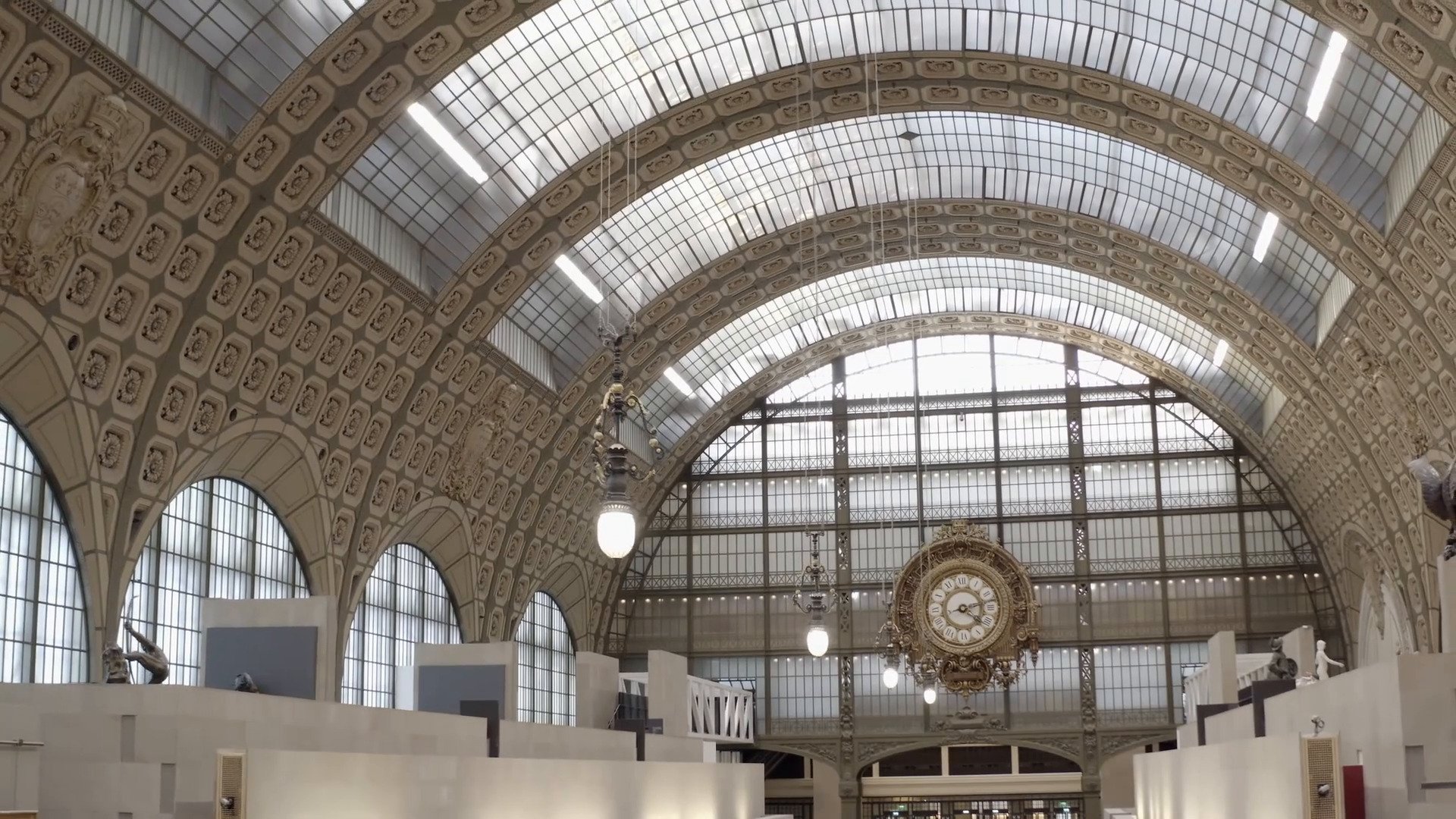
Inaugurated in 1986 by François Mitterrand, a link between the Louvre and Pompidou, Orsay houses the largest collection of Impressionist art in the world. Project after project, the museum has been transformed to modernize and welcome more visitors, while preserving its historic character. Challenges taken up with each new project.
Top Cast
Jean-Marc Lancelot
Narrator (voice)

Bertrand Lemoine
Self - Historien de l'architecture
Isabelle Morin Loutrel
Self - Conservatrice architecture, Musée d'Orsay
Agathe Boucleinville
Self - Directrice de l'architecture, Musée d'Orsay

Clive Lamming
Self - Historien du rail
Didier Janssoone
Self - Ingénieur, SNCF

Jean-Paul Philippon
Self - Architecte, Musée d'Orsay
Sylvie Patry
Self - Directrice de la conservation et des collections, Musée d'Orsay
Nicolas Fichet
Self - Responsable informatique, Musée d'Orsay
Laurence Clivet
Self - Photographe radiographe, C2RMF
Bruno Mottin
Self - Conservateur, C2RMF

Odile Michel
Self - Chef de la régie des œuvres, Musée d'Orsay









Jean-Marc Lancelot
Jean-Marc Lancelot
Narrator (voice)
Jean-Marc Lancelot
Narrator (voice)
Bertrand Lemoine
Bertrand Lemoine
Self - Historien de l'architecture
Bertrand Lemoine
Self - Historien de l'architecture
Isabelle Morin Loutrel
Isabelle Morin Loutrel
Self - Conservatrice architecture, Musée d'Orsay
Isabelle Morin Loutrel
Self - Conservatrice architecture, Musée d'Orsay
Agathe Boucleinville
Agathe Boucleinville
Self - Directrice de l'architecture, Musée d'Orsay
Agathe Boucleinville
Self - Directrice de l'architecture, Musée d'Orsay
Clive Lamming
Clive Lamming
Self - Historien du rail
Clive Lamming
Self - Historien du rail
Didier Janssoone
Didier Janssoone
Self - Ingénieur, SNCF
Didier Janssoone
Self - Ingénieur, SNCF
Jean-Paul Philippon
Jean-Paul Philippon
Self - Architecte, Musée d'Orsay
Jean-Paul Philippon
Self - Architecte, Musée d'Orsay
Sylvie Patry
Sylvie Patry
Self - Directrice de la conservation et des collections, Musée d'Orsay
Sylvie Patry
Self - Directrice de la conservation et des collections, Musée d'Orsay
Nicolas Fichet
Nicolas Fichet
Self - Responsable informatique, Musée d'Orsay
Nicolas Fichet
Self - Responsable informatique, Musée d'Orsay
Laurence Clivet
Laurence Clivet
Self - Photographe radiographe, C2RMF
Laurence Clivet
Self - Photographe radiographe, C2RMF
Similar Movies
The architectural plans for Berlin from 1938 are used as an example to illustrate the fascist claim to power and its aesthetic effect. The basis for this was the "General Building Inspection" under the direction of Albert Speer, whose enormous projects are illustrated by planning models and archive photographs.
A dramatization of a novella by American writer Henry James. This subtle, psychologically profound story is narrated by young literary scholar Henry Jones, who, while searching for documents related to the romantic poet Jeffrey Aspern, finds himself in Venice at the end of the 19th century. Juliana Bordereau, whom Aspern sang about in his work and who owns much of his correspondence, still lives there. However, Juliana refuses to show it to Jones because these letters are the only link connecting her to life. Jones therefore decides to resort to trickery. He moves in with Juliana under a false name as a lodger and, by pretending to be in love, wins over her niece Tina, who is ultimately willing to help him. However, it soon becomes clear that such manipulation of people, even if motivated by a noble goal, does not pay off.
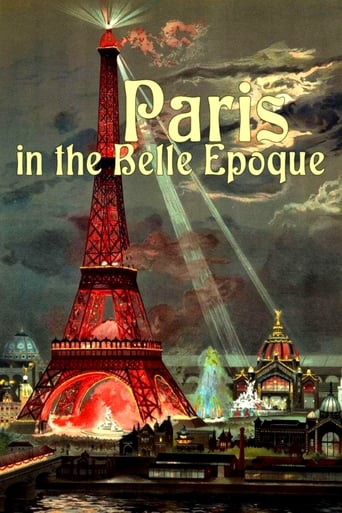
The Bokelberg photographic collection brings to life the Paris of the Belle Époque (1871-1914), an exhibition of workshops and stores with extremely beautiful shop windows before which the owners and their employees proudly pose, hiding behind their eyes the secret history of a great era.
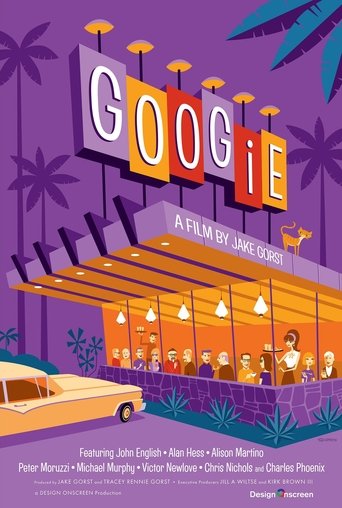
Googie architecture was one of the most visually exuberant and culturally formative design movements of the mid-20th century, yet it remains widely misunderstood. Defined by bold angles, sweeping rooflines, neon signage, and a sense of space-age optimism, Googie transformed everyday buildings into roadside spectacle. Coffee shops, bowling alleys, car washes, banks, and churches were designed not just for function, but to captivate motorists cruising by. Rooted in Los Angeles, the movement drew inspiration from visionary architects such as Frank Lloyd Wright and John Lautner, while firms like Armet & Davis brought futuristic flair to the commercial landscape. Though many original structures have been lost, preservationists now champion Googie as a serious architectural expression—one that captured the aspirations of postwar America and reshaped the visual identity of the modern city.

Some of them move. Others make noise. One weighs in at 700 pounds. Collectively, they represent the future of contemporary craft. Go behind the scenes of the "40 under 40: Craft Futures" exhibition, featuring traditional and non-traditional works of decorative art created by the top 40 American craft artists under the age of 40. Observe this wildly creative and diverse exhibition, assembled for the 40th anniversary of the Smithsonian American Art Museum's Renwick Gallery, and witness the challenges and rewards of bringing together 40 unique artists at the top of their craft.