

Giraffe Dance / !Gwa Dance
Documentary
Overview
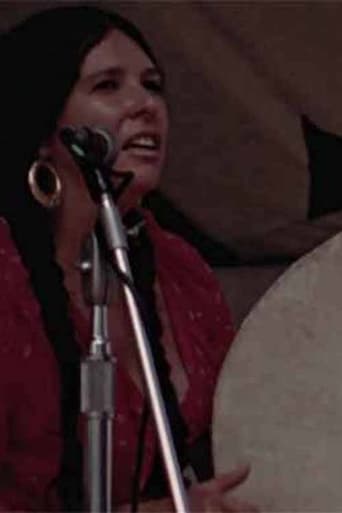
Men and women of the !Kung people in Ojokhoe, Namibia perform healing dances by firelight. First we see men perform the giraffe dance, and then women perform the !gwa dance.


No cast information.
Similar Movies
The film follows three renowned vocal coaches and their students during private lessons. As the pupils prepare for their upcoming final evaluations, perfect technique is expected to produce impeccable results. Listening primarily to their voices, we feel intensity and intimacy arise between teachers and students – an atmosphere in which transcendence is being built.
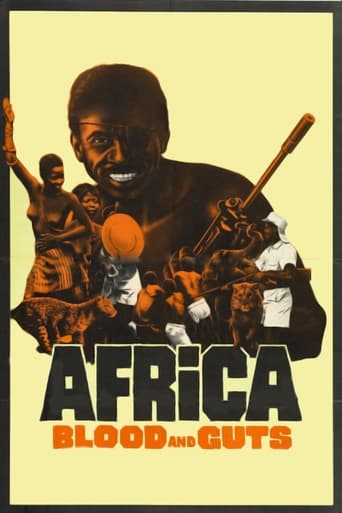
A chronicle of the violence that occurred in much of the African continent throughout the 1960s. As many African countries were transitioning from colonial rule to other forms of government, violent political upheavals were frequent. Revolutions in Zanzibar and Kenya in which thousands were killed are shown, the violence not only political; there is also extensive footage of hunters and poachers slaughtering different types of wild animals.
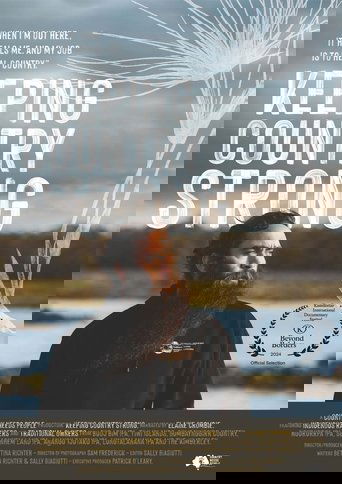
Keeping Country Strong is a new documentary by Country Needs People From the heart of the desert to the islands and estuaries of Sea Country, Indigenous Protected Areas span over 110 million hectares of land and sea and now cover over 54% of Australia’s reserves on land. Indigenous Rangers are on the frontline. Working in some of the most remote corners of the planet they are safeguarding endangered species, fighting wildfires and invasive species, and practising culture in the face of a changing climate. FEATURING Indigenous Rangers and Traditional Owners from Budj Bim IPA, Gaagal Wajaarr Proposed Sea Country IPA, Ngururrpa IPA, Tiwi Islands Proposed IPA, Anangu Tjutaku IPA, Lungtalanana IPA, Mayala IPA & SE Arnhem Land IPA.

This documentary of repressive political realities in Cameroon begins with the 1990 publication of an open letter to President Biya calling for a national conference - and the immediate arrest of the letter's author and publisher. The narration then examines the nation's colonial history, beginning with the first German missionary in 1901, the establishment of schools, French occupation following World War I, the paucity of books written by and published by Cameroonians, and the repression of the CPU, a leftist organization of the 1950s and 1960s. Cameroon and its people are the lark, its feathers plucked first by colonialism and then by native strongmen: 'Alouette, je te plumerai.'