

Mao: Seize the Day, Seize the Hour
Documentary
Overview
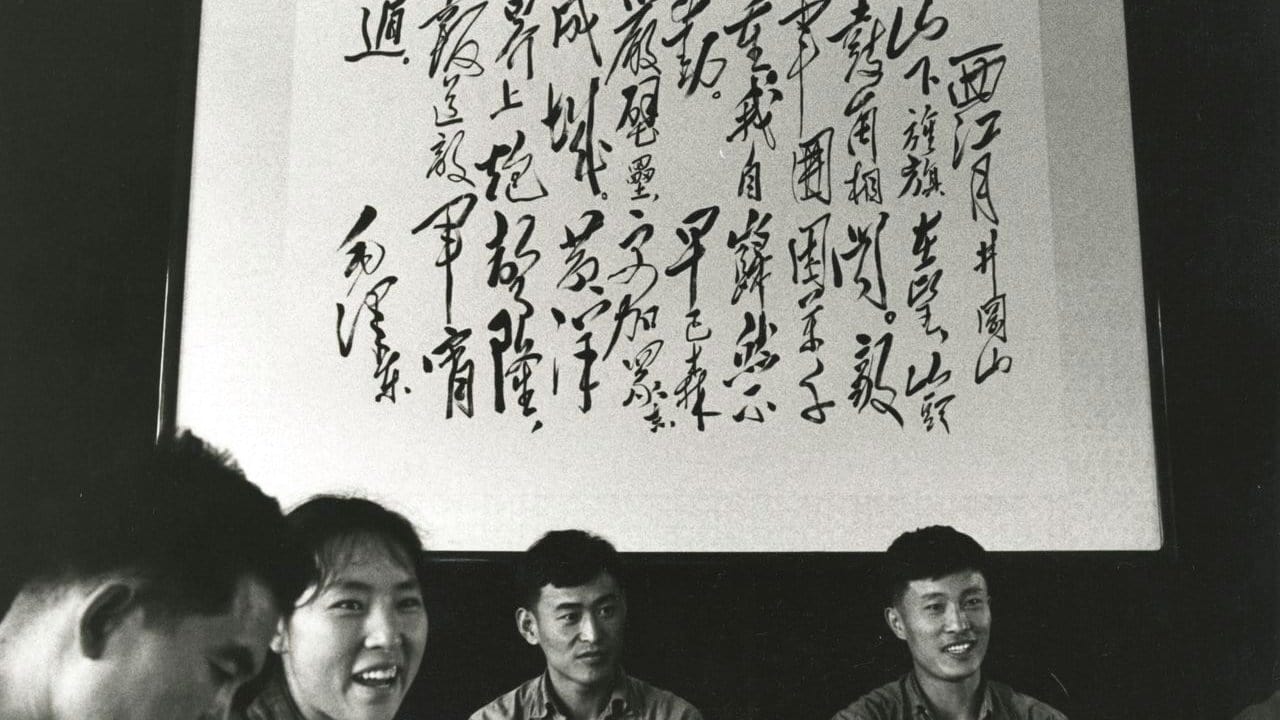
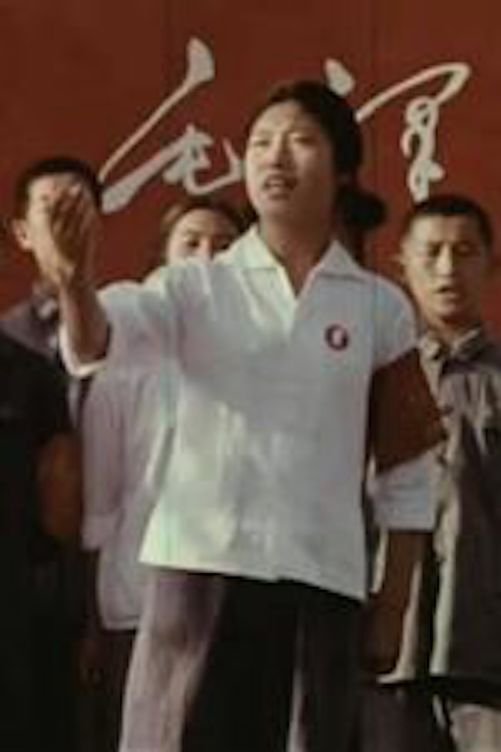
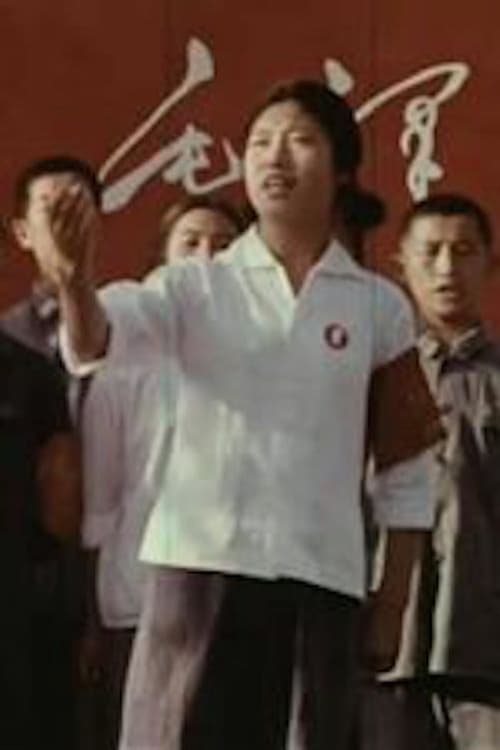
Mao Zedong was not only a revolutionary leader and thinker, he was also a poet. In poems written in the classic calligraphic tradition he expresses his experiences and visions. In this film, 8 of Mao's poems are sung, recited and interpreted: 'Changsha' (1925), 'Jinggang Mountains' (1928), 'The Long March' (1935), 'Snow' (1936), 'The People's Liberation Army Captures Nanjing' (1949), 'Swimming' (1956), 'Reply to Comrade Guo Moruo' (1961) and 'Reascending Jinggang Mountains' (1965). Through these poems we get a picture of the Chinese revolution from its first beginning in 1921 until the Cultural Revolution. The poems of Mao Zedong have been published in more than 57 million copies


No cast information.
Similar Movies

Railroad of Hope consists of interviews and footage collected over three days by Ning Ying of migrant agricultural workers traveling from Sichuan in China's interior, to the Xinjiang Autonomous Region, China's northwest frontier.[1] Through informal interviews aboard the cramped rail cars, Ning Ying explores the hopes and dreams of the workers, many of whom have never left their homes before.
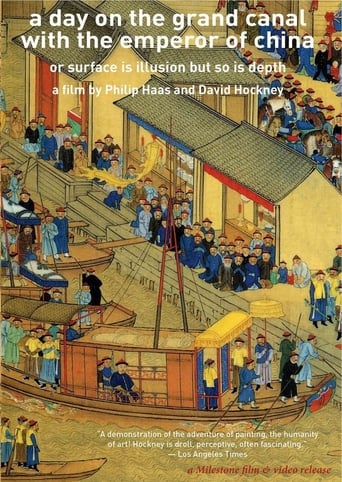
Director Philip Haas and artist David Hockney invite you to join them on a magical journey through China via a marvelous 72-foot long 17th-century Chinese scroll entitled The Kangxi Emperor's Southern Inspection Tour (1691-1698), scroll seven . As Hockney unrolls the beautiful and minutely detailed work of art, he traces the Emperor Kangxi’s second tour of his southern empire in 1689.
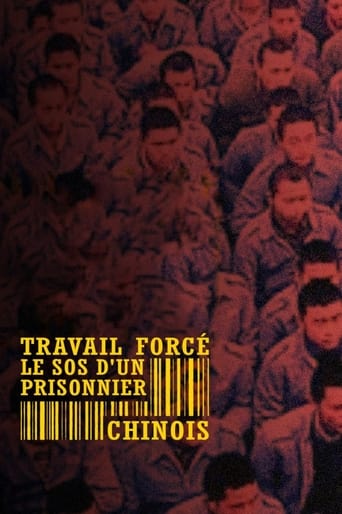
A desperate cry for help written in Chinese was discovered in a pregnancy test sold in France and made in a Chinese factory. It revealed a hidden world of Chinese prison-companies where prisoners are forced to work for 15 hour days manufacturing products for export. This documentary tries to find out who wrote the letter.
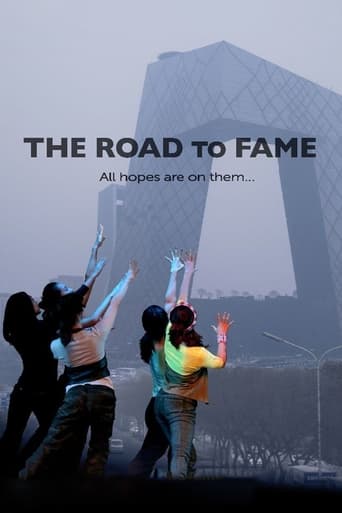
China's top drama academy stages the American musical "Fame," China's first official collaboration with Broadway, as the graduation showcase for its senior class. During the eight-month rehearsal, five students compete for roles, struggle with pressure from family and authority, and prepare to graduate into China's corrupt entertainment industry.
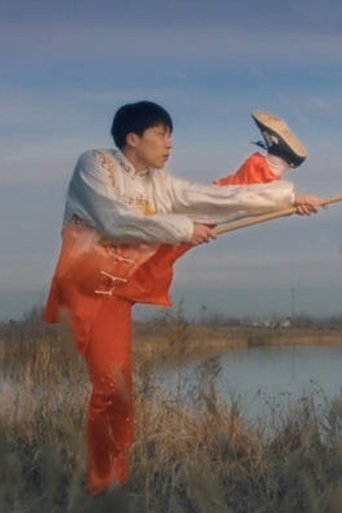
Young Masters is an original series commissioned by NOWNESS China focusing on traditional Chinese cultures, and how they continue to be defined by a new generation of the country's youth. Its first episode, Young Masters: Bajiquan, spotlights Wu Hao (吴昊), a young man in his twenties from Hebei province who is a stalwart practitioner of Bajiquan—a traditional Chinese fighting style known for its graceful stillness and sudden moments of targeted and ferocious violence. Director Haonan Shen traveled to the Mengcun Bajiquan International Training Center to profile Wu Hao whose paternal ancestor Wu Zhong (1712–1802) was the first recorded Bajiquan teacher. In this evocative portrait of a young man’s passion for sharing his family’s rich heritage, we get up close and personal with the violent elbow strikes, staff jabs, fierce rising and firm falling stances that characterize the martial art.
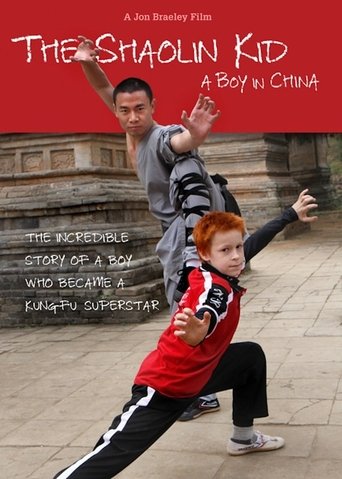
The story of a six year old boy from Phoenix, Arizona whose dreams of becoming a Kungfu master lead him to the birthplace of martial arts - the legendary Shaolin Temple in China. His father must now face a heartbreaking decision and follow his son to China leaving the mother behind in America... a choice few parents could ever imagine.