

Island Cowboy
Documentary
Overview
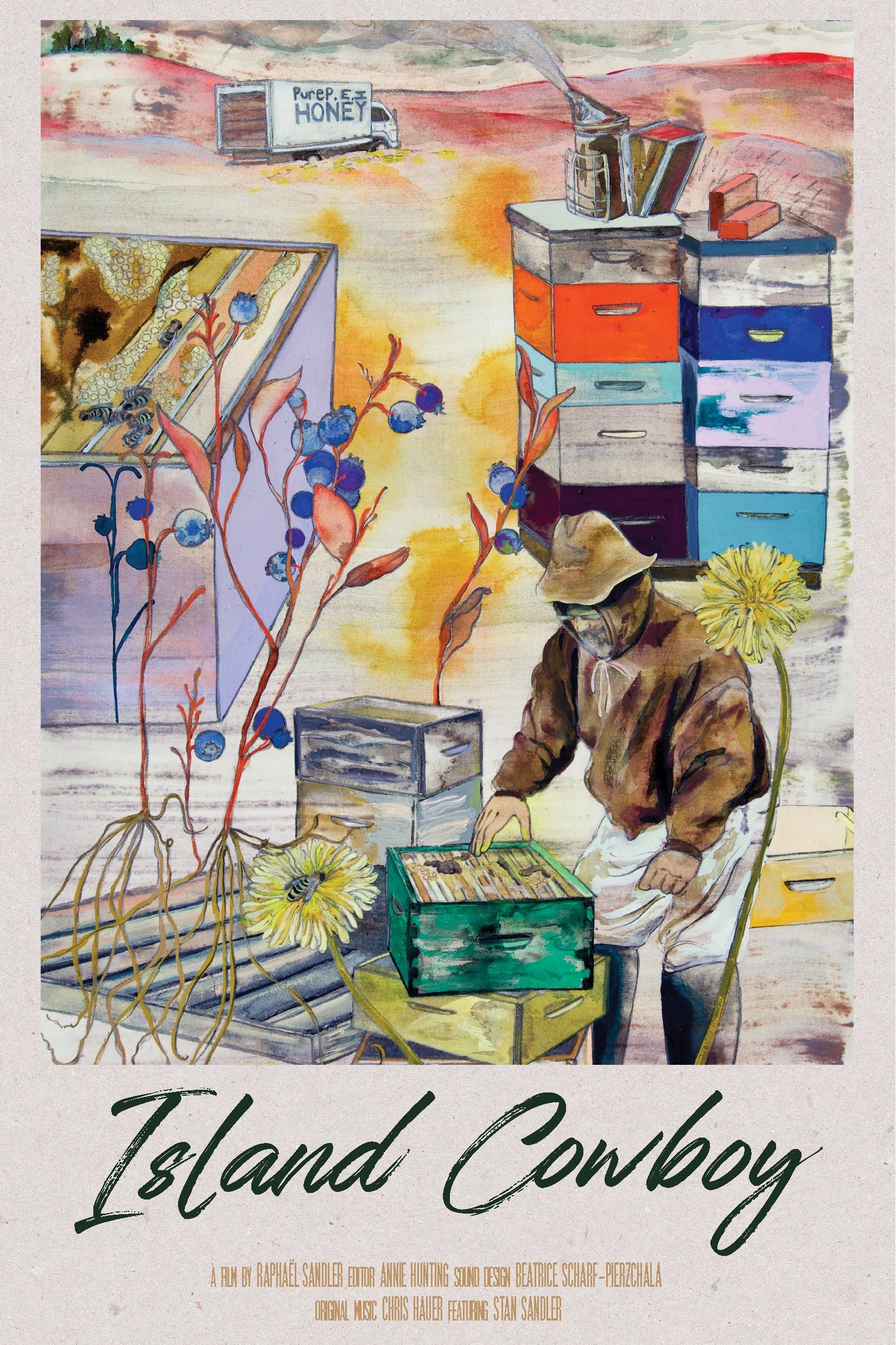
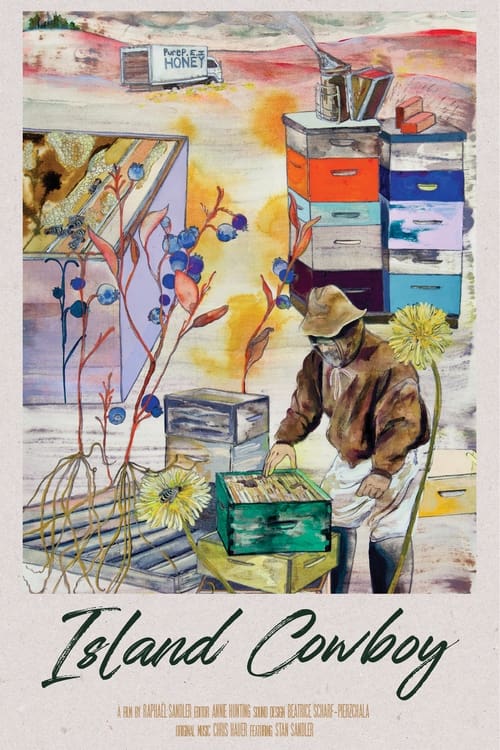
Island Cowboy follows a Canadian beekeeper on Prince Edward Island during one of his last years of work. At the age of 68, Stan Sandler would like to retire, but impending threats to his island home's ecosystem threaten the future of the bees, and the health of the environment. The relationship between a beekeeper’s labour and the economy of the island’s blueberry crop is explored through a season of beekeeping, as we get an intimate look at Stan and the "bee cowboys".
Top Cast

Stan Sandler
Stan Sandler
Himself
Stan Sandler
Himself
Similar Movies

Thousands of ducks, one farmer, and an ultimate goal to produce chemical-free rice. Against all odds, a determined farmer in Thailand trained ducks to be ‘rice protectors.’ Together, they joined hands (and wings) in the pursuit of sustainable farming. Amusing, adorable, yet informative, viewers will fall in love watching man and ducks, teacher and students, work together to keep our food safe from harmful chemicals.
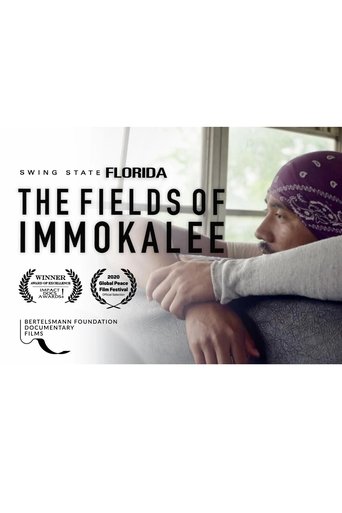
For decades, migrant workers have worked the fields of Immokalee, harvesting tomatoes, peppers, eggplants, oranges and other produce that is then shipped across the United States of America. Many of the workers are undocumented, and attempting to keep their jobs even as federal migration crackdowns hover over the town. The Fields of Immokalee film follows the daily lives of tomato workers, from the 5:00am trips to the parking lot in hopes of finding day labor, to work sessions in the scorching mid-day heat, to child detention centers for migrant youth that have been separated from their families. Via these vignettes, the film offers insight into the most volatile political issue of our time.
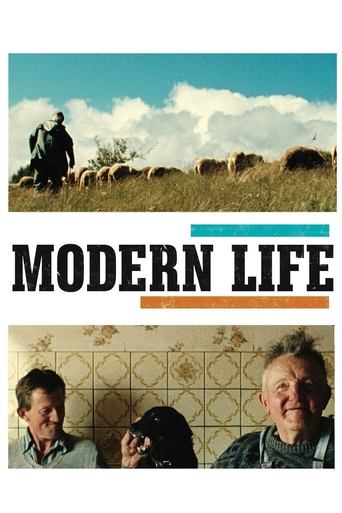
For ten years, Raymond Depardon has followed the lives of farmer living in the mountain ranges. He allows us to enter their farms with astounding naturalness. This moving film speaks, with great serenity, of our roots and of the future of the people who work on the land. This the last part of Depardon's triptych "Profils paysans" about what it is like to be a farmer today in an isolated highland area in France. "La vie moderne" examines what has become of the persons he has followed for ten years, while featuring younger people who try to farm or raise cattle or poultry, come hell or high water.
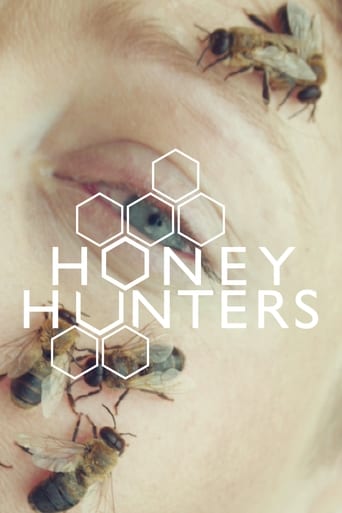
A life story of bees and people. In order to get to the bottom of the mysteries of the life of bees and show them to the audience, the camera enters a contemporary hive and a traditional wild beehive drilled in the trunk of an old tree. It wanders the forests in Poland and Ural, mountains in Nepal and... roofs of Paris and Warsaw. For millions years bees have been laboriously building the natural environment of our planet. These days, they started to die by millions. A programme of wild tree beekeeping reintroduction was launched in Polish forests. It has been an ancient local tradition. Maybe reaching for the past, the original model of coexistence of bees and people, for wild tree beekeeping, can help us to save the bees? After watching “Honey Hunters” everyone wants to have their own beehive and harvest their own honey!
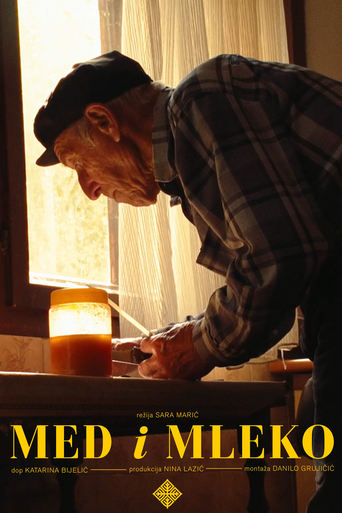
In a secluded village surrounded by forests and a river, an elderly beekeeper and a livestock farmer live alone, their lives shaped by tireless work and quiet harmony. Through one day in their hidden world, this documentary reveals the beauty and mystery of their bond with nature, far from the reach of modern life.
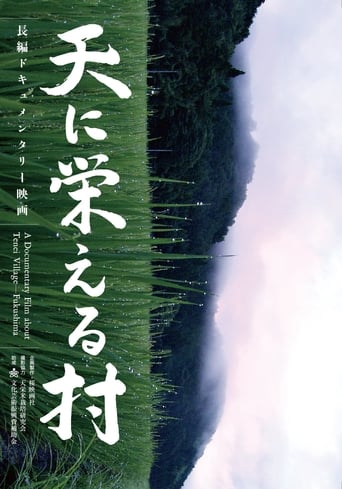
Tenei village is located in Fukushima prefecture's beautiful surrounds. It is 70 kilometers away from the Fukushima Daiichi Nuclear Power Plant. When the Fukushima Nuclear Power Plant failed in March 2011, radioactive particles fell and contaminated the rice fields. But the farmers couldn't just abandon their land as they live on the land and wanted to protect it for future generations. The farmers decided to pursue scientific methods to secure food safety. They were on their own without Government assistance. This film documents their determination and efforts in overcoming an environmental crisis that had never been experienced before.
During the Cultural Revolution in China in the late 20th century, ethnic Manchu people were persecuted and forced to give up such cultural traditions as the shaman dance (tiao tchin, meaning "spirit-jumping" or "god's dance"). However, on Changbai Mountain in Northeast China, a farmer named Guan Yunde decided to start designing and building traditional Manchu shaman drums. At age 70, he is one of a minority of ethnic Manchu people in China's Jilin province, and one of the few people keeping the Manchu shamanic tradition alive.