

Cuban Dancer
Documentary
Overview
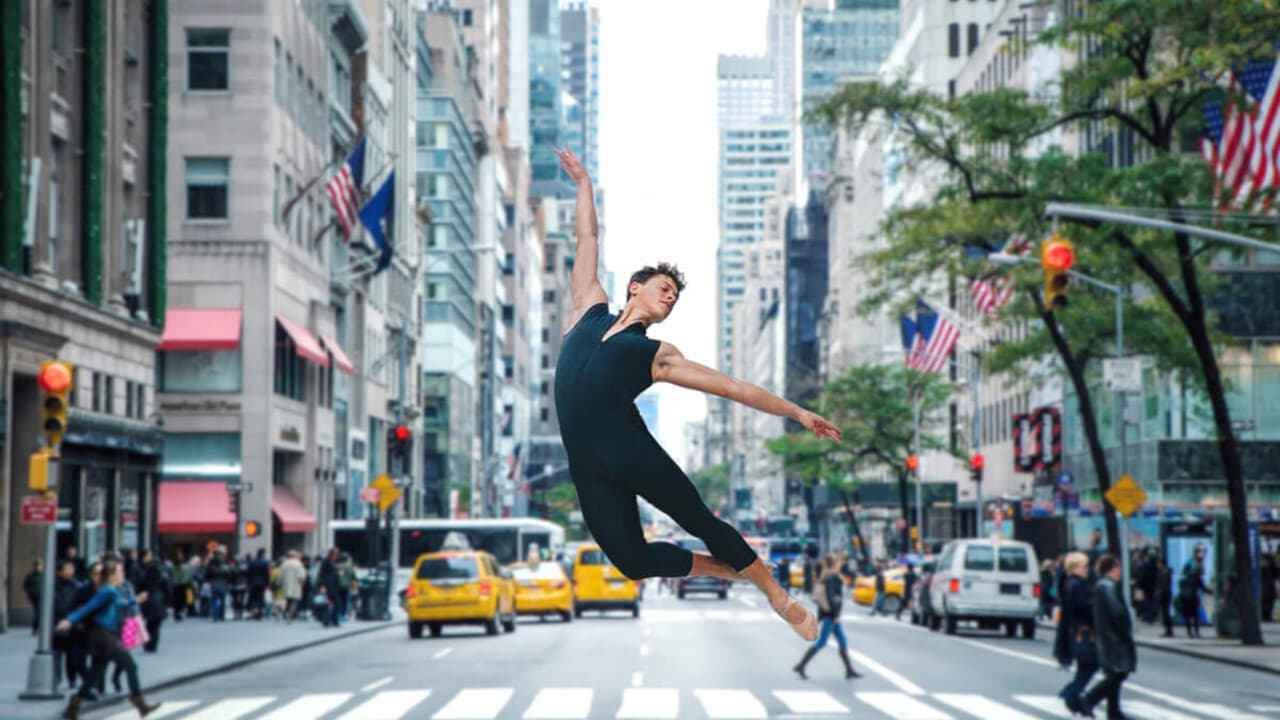
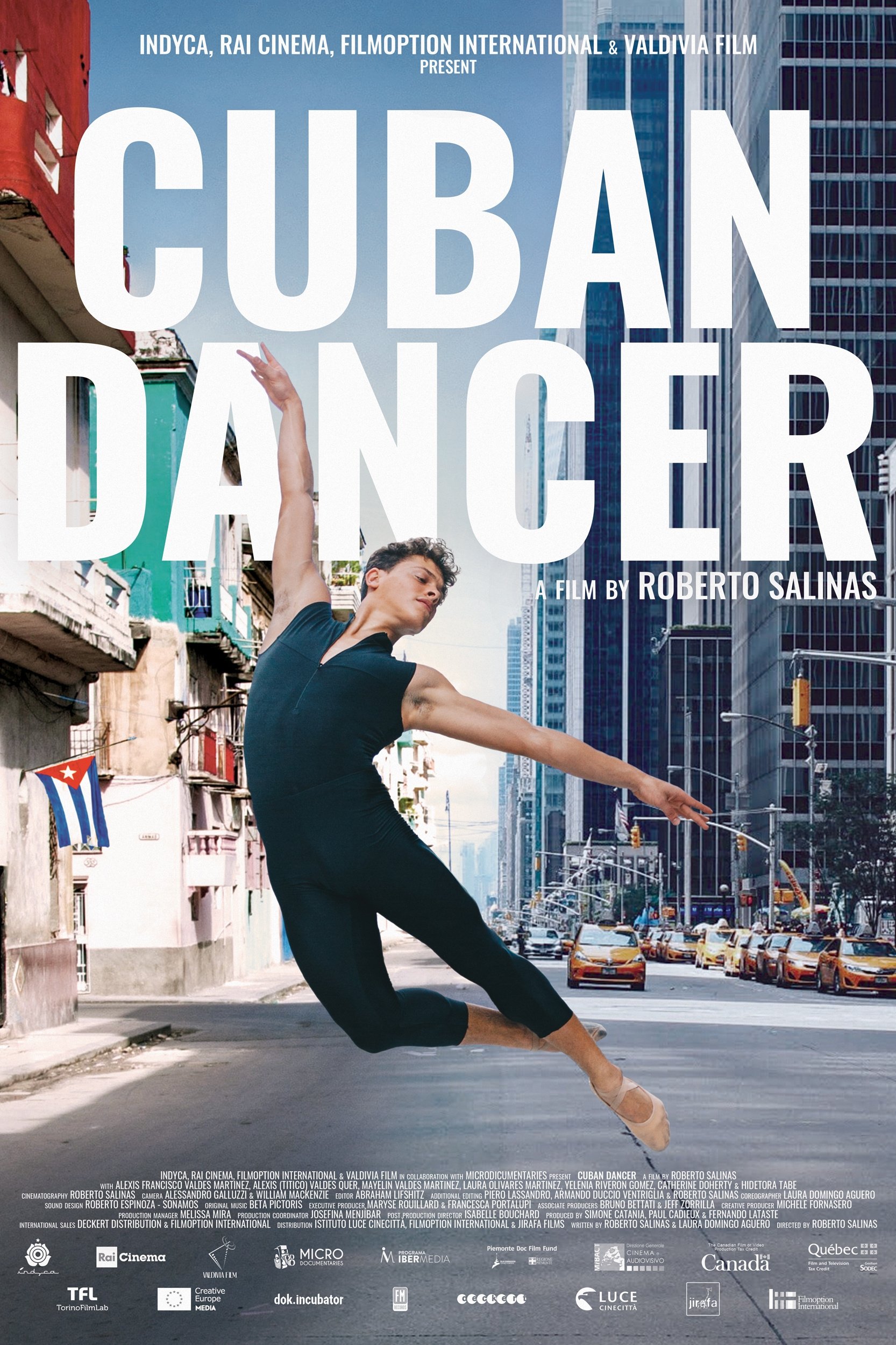
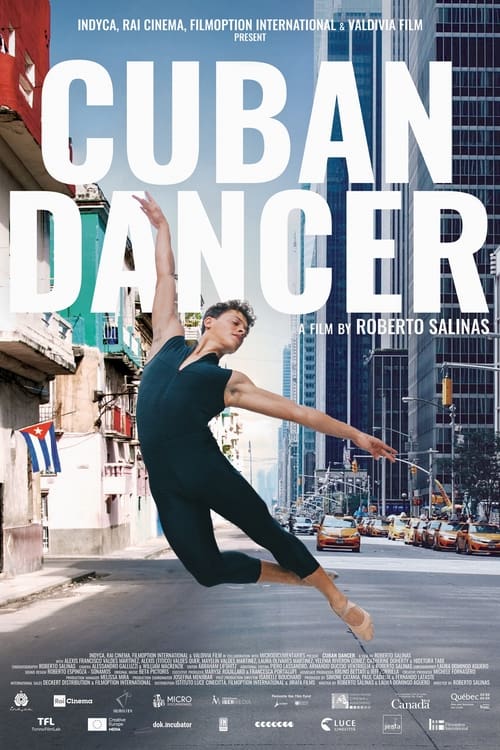
Alexis, a talented and proud student of the National Ballet School of Cuba, spends his life practicing chassé and entrechats with his girlfriend and dance partner Yelenia. However, when his family moves to Florida to be reunited with his sister, he must adjust his expectations and dreams to a radically new environment. Alexis, facing rejection and homesick for his native Cuba, feels lost and alone. He must find his way in the world of American ballet while remaining faithful to his roots.
Top Cast
Alexis Francisco Valdes Martinez
Alexis Francisco Valdes Martinez
Self
Alexis Francisco Valdes Martinez
Self
Yelenia Riveron Gomez
Yelenia Riveron Gomez
Self
Yelenia Riveron Gomez
Self
Alexis Valdes Quer
Alexis Valdes Quer
Self
Alexis Valdes Quer
Self
Joseph Bohbot
Joseph Bohbot
Narrator
Joseph Bohbot
Narrator
Catherine Doherty
Catherine Doherty
Self
Catherine Doherty
Self
Martha Iris Fernández
Martha Iris Fernández
Self
Martha Iris Fernández
Self
Laura Olivares Martinez
Laura Olivares Martinez
Self
Laura Olivares Martinez
Self
Mayelin Valdes Martinez
Mayelin Valdes Martinez
Self
Mayelin Valdes Martinez
Self
Meelis Pakri
Meelis Pakri
Self
Meelis Pakri
Self
Hidetora Tabe
Hidetora Tabe
Self
Hidetora Tabe
Self
Similar Movies
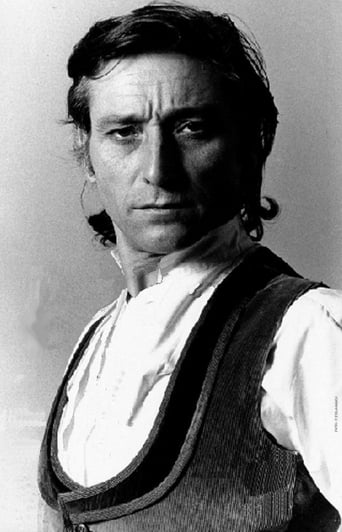
Documentary that reconstructs the professional life of the dancer through the thread of his own voice. A work that travels to the fundamental landscapes of the personal history of Gades with unpublished documents and the testimony of those who shared with him many pages of the book of his life and the history of Spanish dance in recent decades.

Piel dolor (Skin Pain) explains how power is structurally sustained in violence. Its nature and the relationships it establishes in society are based more on the imposition and use of force than on building consensus, dialogue, and respect for diversity. In that sense, power is a behavior that seeks dominance through force and man as a gender, becomes an instrument of violence that is exercised against the weakest. Extinguishing the socially constructed violence means eliminating the current power and its historical sustenance, questioning the source of origin, religion, ideology, the system and its values. Is that utopia possible?
This program examines Cuban exile terrorists living in Miami. These terrorists were secretly trained and employed by the U.S. government in the early 1960s to fight Fidel Castro. Now, without U.S. support, terrorist activities continue in Miami and Latin America. The program reviews secret U.S. policies toward Cuba in the 1960s and includes interviews with Castro and former top CIA officials. Members of this group, formerly secretly trained and employed by U.S. Government until 1967, have been active in Watergate crimes and anti-Castro terrorism including bomb explosion on Cuban Airline killing seventy-three. Includes interviews with Castro, E. Howard Hunt, Bernard Barker, and Rolando Martinez.' - The Paley Center For Media
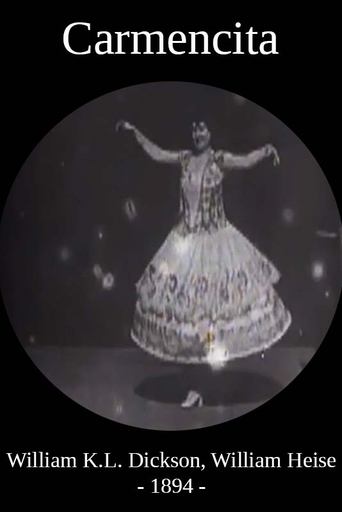
The first woman to appear in front of an Edison motion picture camera and possibly the first woman to appear in a motion picture within the United States. In the film, Carmencita is recorded going through a routine she had been performing at Koster & Bial's in New York since February 1890.
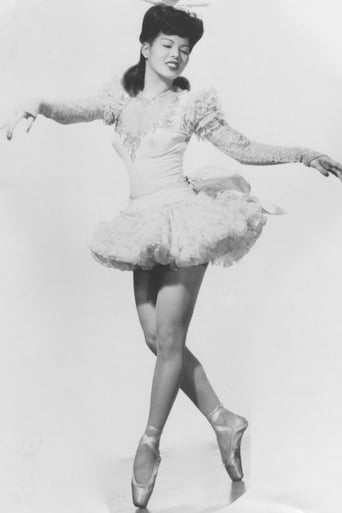
Swinging and twirling Dorothy Toy Fong the legendary tap dancer is still exciting at 99 years old. Award-winning reporter Rick Quan traces Fong’s journey as a famous duo with Paul Wing and exciting run with her Oriental Showgirl group. Fong’s wondrous spirit dances off the screen and into your heart.
When the U.S. trade embargo left Cuba isolated from medical resources, Cuban scientists were forced to get creative. Now they've developed lung cancer vaccines that show so much promise, some Americans are defying the embargo and traveling to Cuba for treatment. In an unprecedented move, Cuban researchers are working with U.S. partners to make the medicines more widely available.
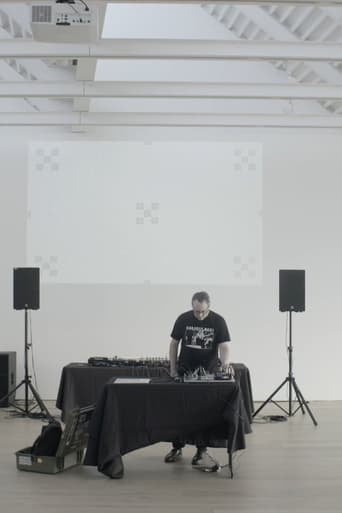
The film traces Sam McKinlay’s early days as a punk skateboarder through his academic development as a conceptual artist into a highly esteemed noise practitioner whose work bridges the gap between the gallery world and the sleaze of exploitation film imagery. It documents the physical processes of his work and the distillation of visuals into sound, most notably addressing the appeal of abstraction—from the cheap effects of old monster movie makeup to the ‘masks’ created by the heavy cosmetic makeup of 1920s flapper culture and actresses like Pamela Stanford in Jess Franco’s Lorna the Exorcist (The Rita has albums or EPs named after several eurotrash actresses, including The Nylons of Laura Antonelli (2009) and Monica Swinn/Pamela Stanford (2016)).

With the coveted glitter ball trophy once again up for grabs, how will series winner Chris Hollins fare against other celebrity favourites - including Austin Healey, Kelly Brook, Mark Ramprakash, Ali Bastian, and Natalie Cassidy? As they take to the stage alongside their professional partners including; Kristina Rihanoff, James and Ola Jordan, Brian Fortuna, Natalie Lowe and Ian Waite, in brand new breathtaking outfits and daring routines. They will need to impress judges; Len Goodman, Bruno Tonioli, Craig Revel Horwood and Arlene Philips. Who as always, are ready with quips, banter and razor-sharp observations!
Afro-Cubans played a leading role in the fight to free Cuba from Spanish domination; as part of that struggle, slavery was abolished. Nevertheless, as African descendants began to achieve a semblance of social and economic parity, the plantocracy, backed up by the US army, sought to undo their gains. Determined to resist, veterans of the Mambi army formed the Party of Independents of Color, gaining wide popular support and ultimately threatening the domination of the white Cuban rulers. Their response was savage, and 6,000 Afro-Cubans were massacred; until this film, these events have been shrouded in silence.