

A Chair Fit for an Angel
Documentary · Music
Overview
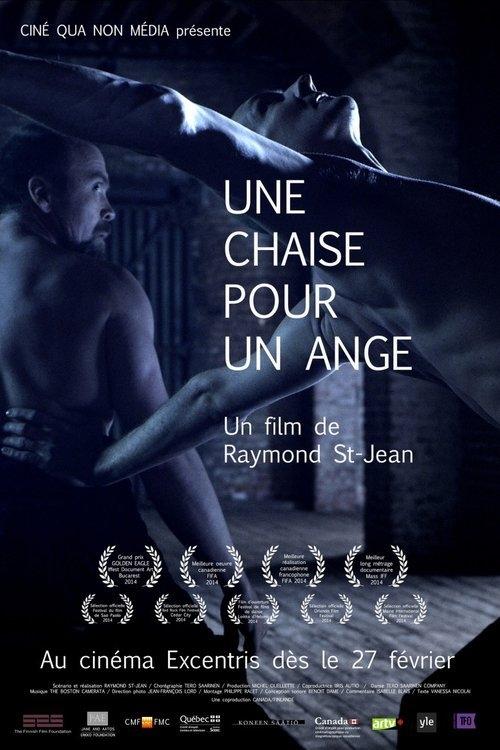
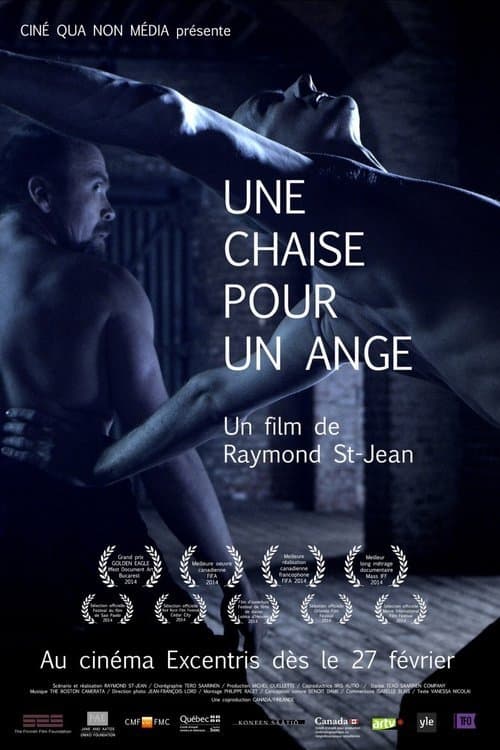
For two hundred years, the Shakers have been America's most successful utopian society. While seeking harmony, order and perfection in every aspect of their lives, they built minimalistic furniture and buildings that influenced modern design. The Shakers wrote songs of exquisite beauty and danced to the point of ecstasy during their religious meetings. Inspired by this music and dance, choreographer Tero Saarinen created Borrowed Light, a dance piece about communal life and individual sacrifice. Shot in Finland and the United States, featuring interviews and excerpts from Borrowed Light, this documentary explore the cultural legacy of this religious group devoted to creating heaven on earth.

Jennifer Seguin
Jennifer Seguin
Narrator (voice)
Jennifer Seguin
Narrator (voice)
Tero Saarinen
Tero Saarinen
Self
Tero Saarinen
Self
Joel Cohen
Joel Cohen
Self
Joel Cohen
Self
Arnold Hadd
Arnold Hadd
Self
Arnold Hadd
Self
Christian Becksvoort
Christian Becksvoort
Self
Christian Becksvoort
Self
Anne Azéma
Anne Azéma
Self
Anne Azéma
Self
Satu Halttunen
Satu Halttunen
Self
Satu Halttunen
Self
Henrikki Heikkilä
Henrikki Heikkilä
Self
Henrikki Heikkilä
Self
Ninu Lindfors
Ninu Lindfors
Self
Ninu Lindfors
Self
Carl Knif
Carl Knif
Self
Carl Knif
Self
Similar Movies
In the West Jutland village of Hanning, there is a small indremissionary community. How everyday life unfolds in such a religious environment is depicted through participation in church services, meetings in the mission house and visits to the villagers. They talk about temptations, their relationship with God and passing on their faith to the next generation.
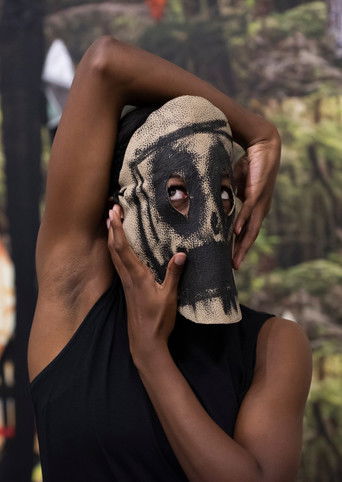
Seven minutes in length, the film features two black male hikers — one ascending a mountain, another descending — who encounter each other as their paths cross. Their balletic movements are at once lithe and halting, athletic and awkward, challenging stereotypical notions of the forever rhythmic elegance of the black body in space.
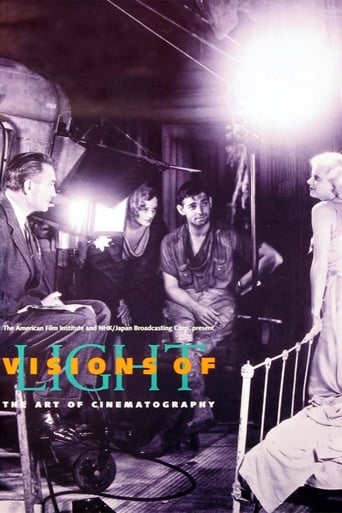
Cameramen and women discuss the craft and art of cinematography and of the "DP" (the director of photography), illustrating their points with clips from 100 films, from Birth of a Nation to Do the Right Thing. Themes: the DP tells people where to look; changes in movies (the arrival of sound, color, and wide screens) required creative responses from DPs; and, these artisans constantly invent new equipment and try new things, with wonderful results. The narration takes us through the identifiable studio styles of the 30s, the emergence of noir, the New York look, and the impact of Europeans. Citizen Kane, The Conformist, and Gordon Willis get special attention.
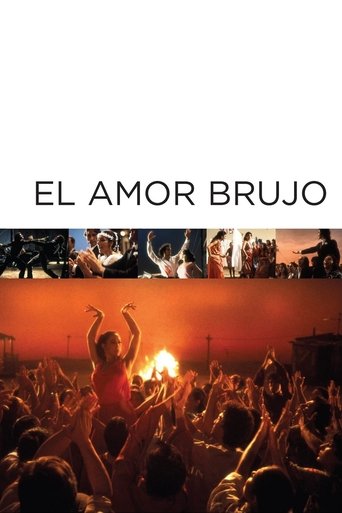
In a Gypsy village, the fathers of Candela and José promise their children to each other. Years later, the unfaithful José marries Candela but while defending his lover Lucía in a brawl, he is stabbed to death. Carmelo, who secretly loves Candela since he was a boy, is arrested while helping José and unfairly sent to prison. Four years later he is released and declares his love for Candela. However, the woman is cursed by a bewitched love and every night she goes to the place where José died to dance with his ghost.
A document of Tatsumi Hijikata's Butoh dance with Kazuo Ohno as the guest dancer shot in Hijikata's early period when he was emerging as the originator of Butoh. All of the male dancers are dressed up with evening suits and move gracefully, yet an intruder breaks up the whole scene abruptly. The film is worth seeing, even if just to see a memorable gay duet of Hijikata and Ohno. Overexposed, washed out images are sandwiched among normal ones.