

Front Row
Documentary
Overview
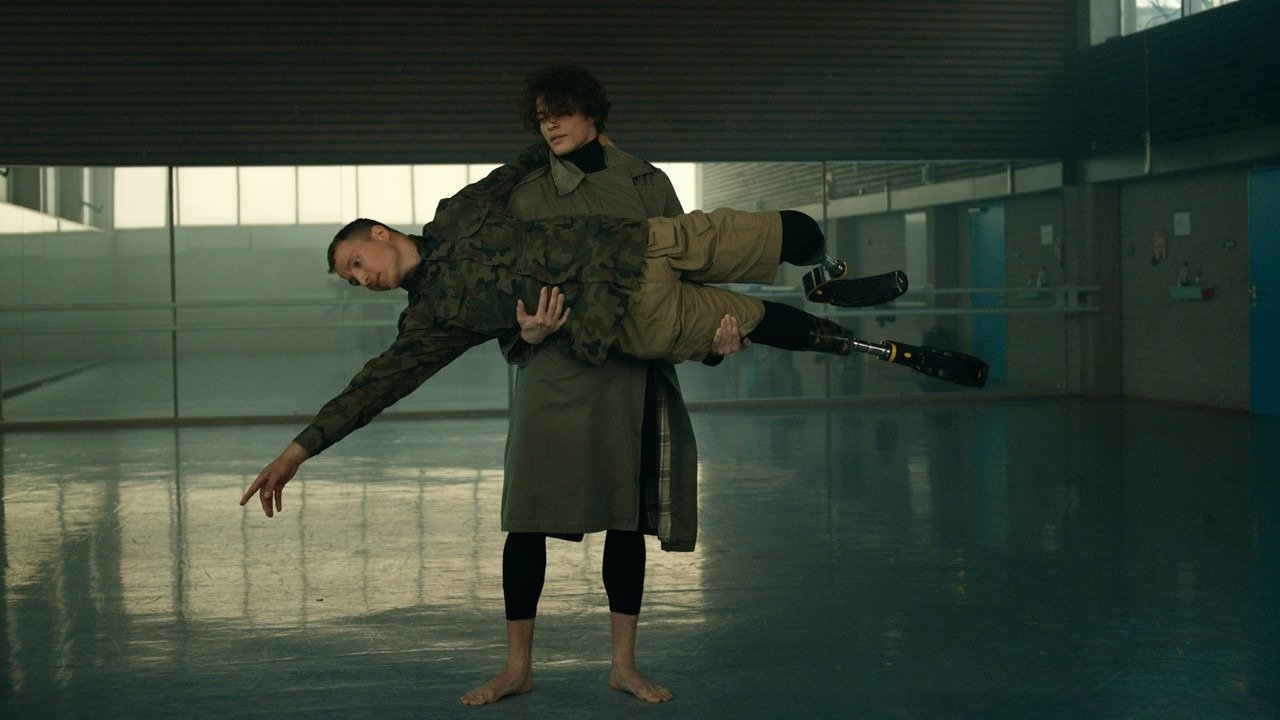
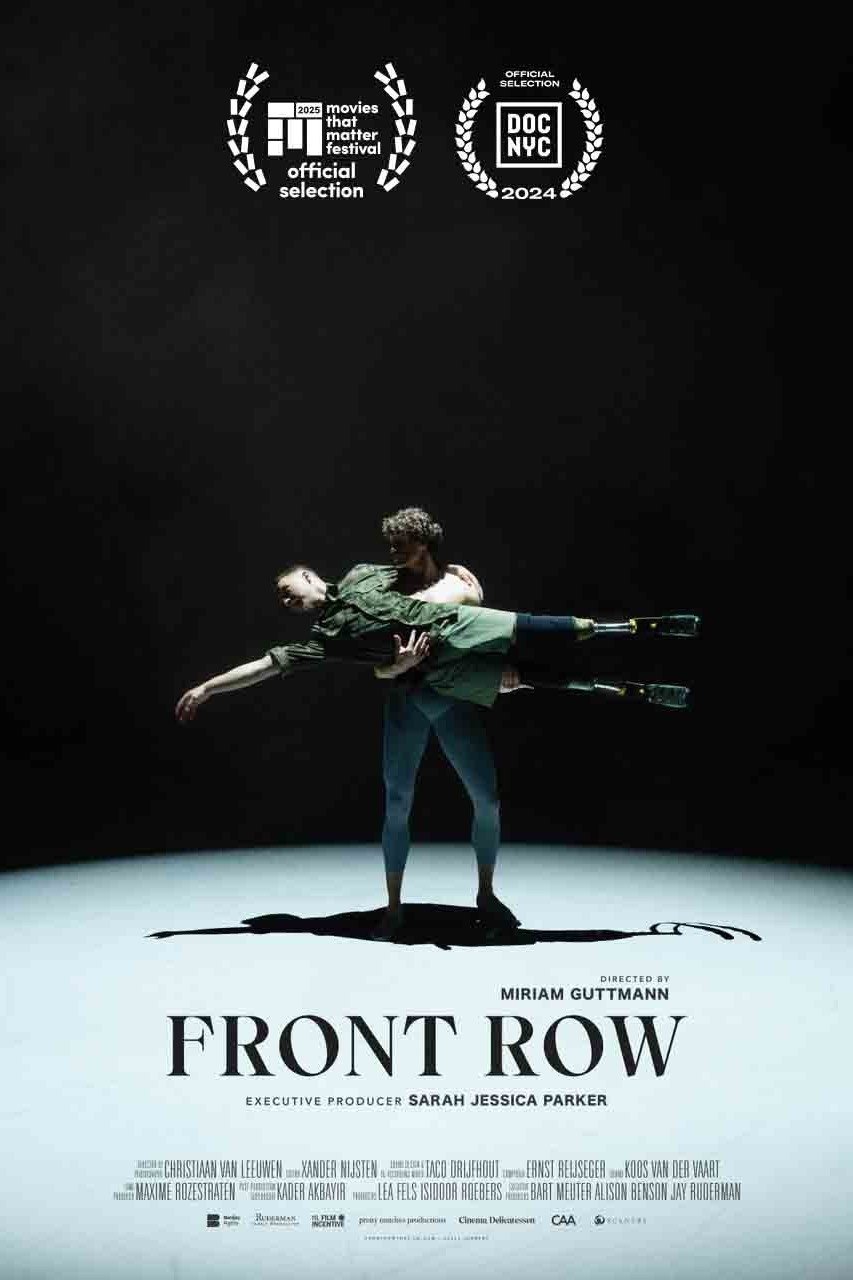
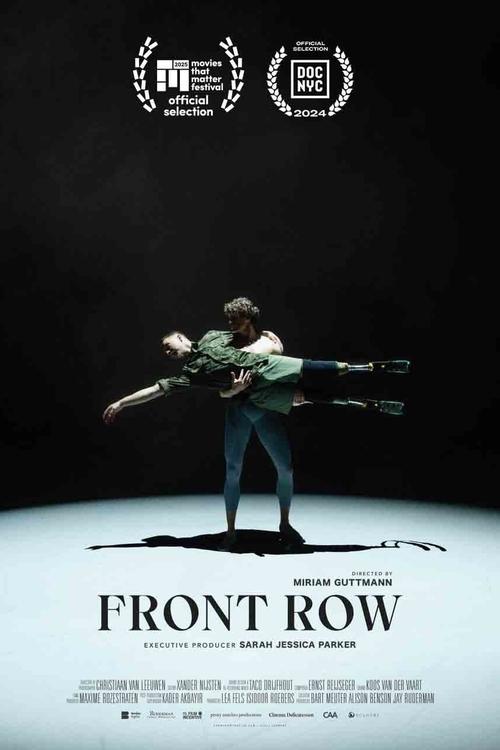
Bertolt Brecht asked whether there would be singing in the dark times. In the throes of war, the United Ukrainian Ballet Company defiantly insists there will be dancing, too. Far from the land they call home, young dancers take quiet comfort from art. For a while, their work feels like the old days, except there is a new troupe member: a soldier learning to dance with prosthetic legs.










No cast information.
Similar Movies
The Balkans cradles Europe's last wild rivers and supports abundant wildlife and healthy, intact ecosystems. These rivers are "The Undamaged" – clean, pristine, and undammed. With over 2,700 small and large hydro power plants planned or under construction in the Balkans, corruption and greed are destroying the last free-flowing rivers of Europe. Follow the Balkan Rivers Tour, a rowdy crew of whitewater kayakers, filmers, photographers and friends who decided to stand up for the rivers, travelling from Slovenia to Albania for 36 days, kayaking 23 rivers in 6 countries to protest the dams and show the world the secret wild rivers of the Balkans. The film honours everyday people and local activists who are fighting to defend rivers and aims to spread the word of the plight of these rivers, showing a new style of nature conservation that is fun, energetic and effective.
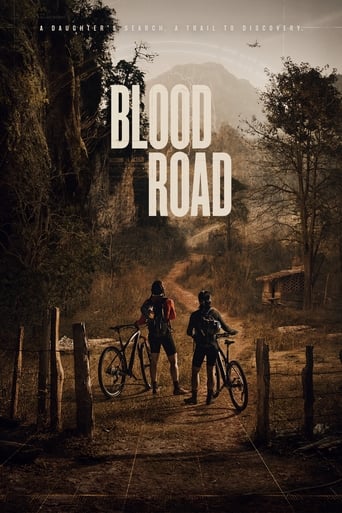
Blood Road follows the journey of ultra-endurance mountain bike athlete Rebecca Rusch and her Vietnamese riding partner, Huyen Nguyen, as they pedal 1,200 miles along the infamous Ho Chi Minh Trail through the dense jungles of Vietnam, Laos, and Cambodia. Their goal: to reach the site where Rebecca’s father, a U.S. Air Force pilot, was shot down in Laos more than 40 years earlier.
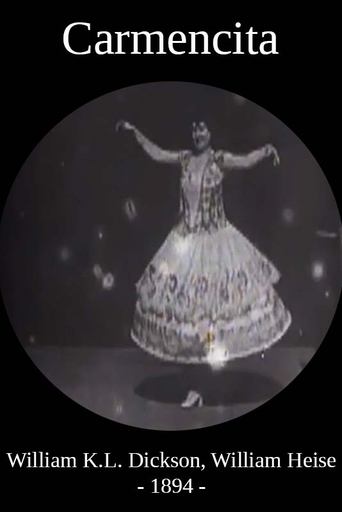
The first woman to appear in front of an Edison motion picture camera and possibly the first woman to appear in a motion picture within the United States. In the film, Carmencita is recorded going through a routine she had been performing at Koster & Bial's in New York since February 1890.
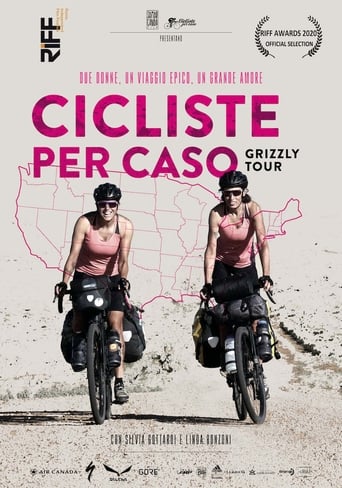
The one-off documentary tells the story of two women travelling by bike across the United States, from Canada to Mexico along the Great Divide. A unique adventure through the most remote areas of the Rocky Mountains, between pristine nature and wild animals. An epic journey that led them to travel 4,000 km and climb 60,000 meters and that, day after day, forced them to face their own limits, their strength and fragilities, and tested their relationship. Because every journey is always a love story.
Loïe Fuller, stage name of Marie Louise Fuller: the American actress and dancer trained in burlesque, circuses and variety shows who, in the 1890s, signed by the Folies Bergère of Paris, became a star. She was portrayed by Toulouse-Lautrec, loved by the symbolists, the inspiration for Art Nouveau, in her shows she combined dance, spirals of fabric and light, reflected from behind or from below through the glass floor that she had created. She transformed into the "Fairy of Light", was taken up (especially in her Serpentine Dance) by Georges Méliès and Alice Guy and influenced René Clair's early films.
On August 29, 1970 in East Los Angeles, a peaceful march of over 20,000 Chicanas/os, united in protest against the Vietnam War as part of the National Chicano Moratorium movement, was violently interrupted by an extreme, unjustifiable response by law enforcement. The tragic events of that day left four dead. Chicano Moratorium: A Question of Freedom is a harrowing, eyewitness documentary of the events of August 29, 1970 and their immediate aftermath, including the murder of Chicano journalist, Ruben Salazar. In contrast to biased TV news reports of the period, this student-made short offers an impassioned, unvarnished community account of the unrest and violence unleashed by the Los Angeles Sheriff’s Department in response to the otherwise peaceful march in protest of disproportionate Chicano casualties in the Vietnam War.
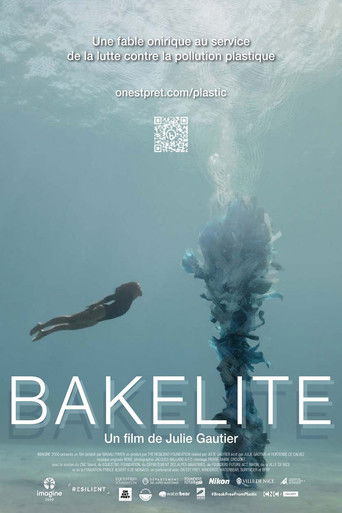
This underwater ballet is an ecological story depicting our paradoxical relationship with plastic. Bakelite launched the #SickOfPlastic campaign from On Est Prêt, along with the Surfrider Foundation, Break Free from Plastic and the Resilient Foundation. Photography was directed by Jacques Ballard, a specialist in underwater cinematography.
Gene Kelly is a legend of the heyday of the Hollywood musical. His name stands for masterpieces such as "Singin' in the Rain" and "An American in Paris". As a singer, dancer, actor, choreographer and director, he was a true all-round artist who revolutionized the world of dance in particular. Kelly, who loved to experiment, explored new forms of dance expression and helped a whole generation of young talents to fame. From his beginnings in cabarets and on Broadway to his recognition as a choreographer and director, the documentary shows how the good-looking star with a charming smile expanded the boundaries of dance expression: He danced in the open air in the streets of New York, with a cartoon character or his own reflection. But this dazzling entertainer image should not obscure the fact that Kelly, as a staunch supporter of the American civil rights movement, also saw dancing as a political statement.
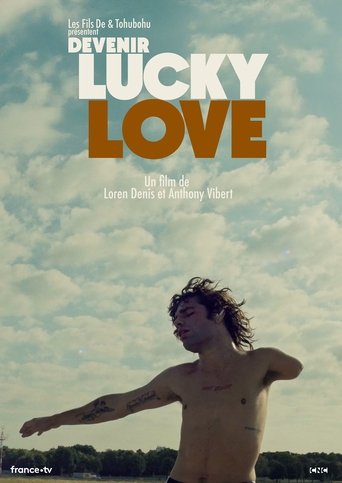
He was born different, and chose to become unique. Becoming Lucky Love follows how Luc Bruyère turned his “flaw” into strength and his life into an act of creation. Born without his left arm, he faced the violence of people’s gaze from childhood, sinking into shame and self-destruction. “I was born homosexual, without a left arm — I didn’t fit what a man was expected to be: a figure without nuance, categorical,” Luc confides. Instead of giving up, he chose to transform himself and become what he had always dreamed of: a singer and performer. With his angelic face and magnetic presence, nothing seems to resist him — yet his blazing loves and excesses marked him deeply. Now, on the verge of turning 30, he looks back without filters. Becoming Lucky Love paints the portrait of an avant-garde, captivating outsider who proves that destiny can be endlessly reinvented through strength, poetry, and self-invention.