

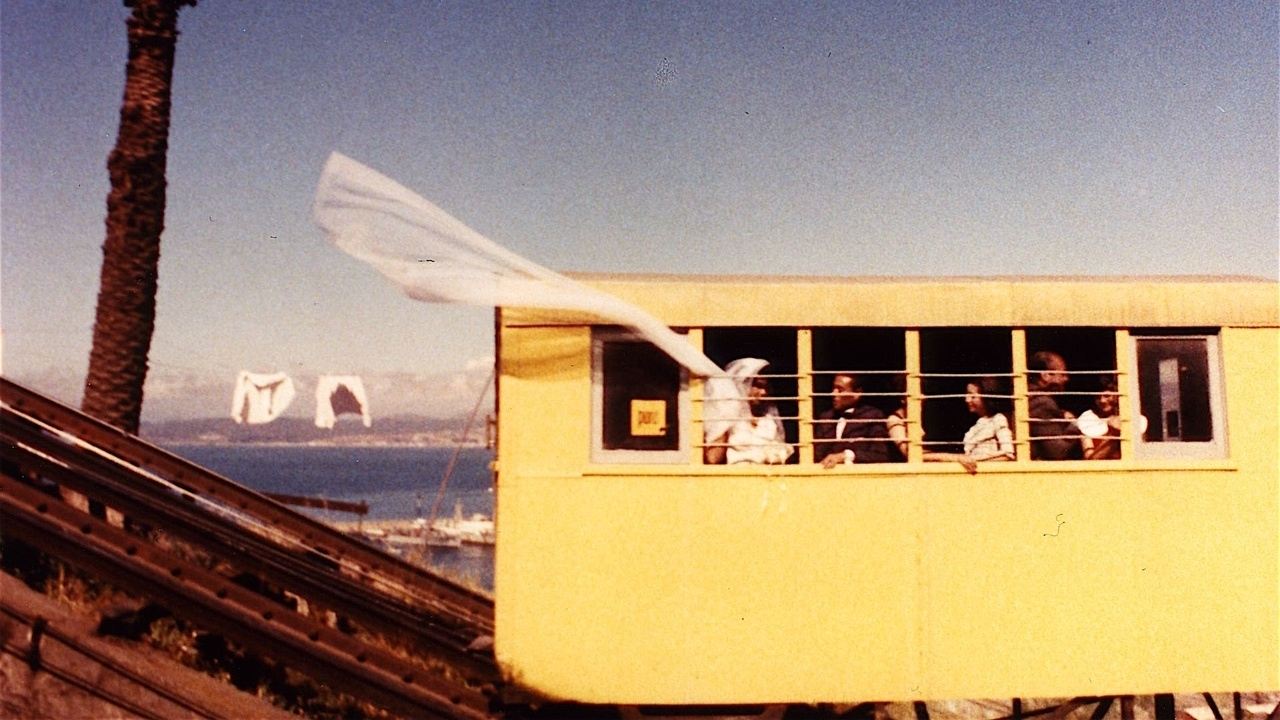

Valparaiso
Documentary
Overview
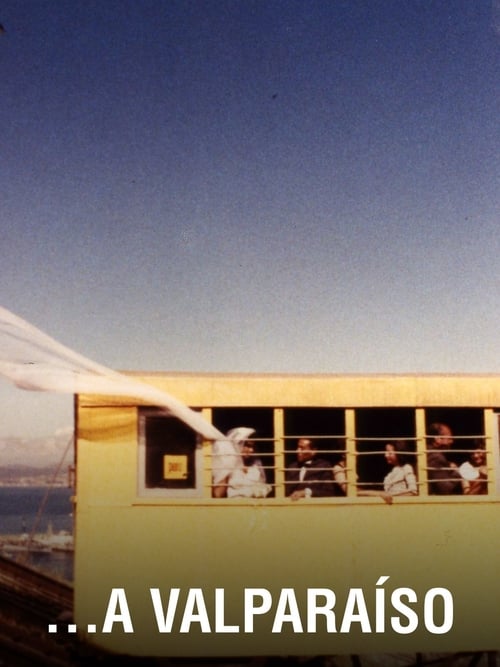
In 1962 Joris Ivens was invited to Chile for teaching and filmmaking. Together with students he made …A Valparaíso, one of his most poetic films. Contrasting the prestigious history of the seaport with the present the film sketches a portrait of the city, built on 42 hills, with its wealth and poverty, its daily life on the streets, the stairs, the rack railways and in the bars. Although the port has lost its importance, the rich past is still present in the impoverished city. The film echoes this ambiguous situation in its dialectical poetic style, interweaving the daily life reality (of 1963) with the history of the city and changing from black and white to colour, finally leaving us with hopeful perspective for the children who are playing on the stairs and hills of this beautiful town.
Top Cast







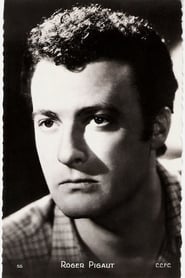
Roger Pigaut
Roger Pigaut
Narrator (voice)
Roger Pigaut
Narrator (voice)
Similar Movies

Roving foodies Angela May and Bobby Chinn embark on two culinary journeys across Asia. Angela travels to the western coast of India to sample the cuisine and culture of the thriving melting pot that is Goa. Meanwhile, Bobby travels to Manila where he discovers a passionate and humorous people, and their love of food.
Portrait of Augustinas Baltrušaitis, film and theatre director, as well as actor, who fell into obscurity and has now been relegated to the margins of society, as a result of specific political circumstances. Countdown is a film about the limits of memory, the effects of the implacable passage of time, and a hope that surpasses time.

Bruce Brown's The Endless Summer is one of the first and most influential surf movies of all time. The film documents American surfers Mike Hynson and Robert August as they travel the world during California’s winter (which, back in 1965 was off-season for surfing) in search of the perfect wave and ultimately, an endless summer.
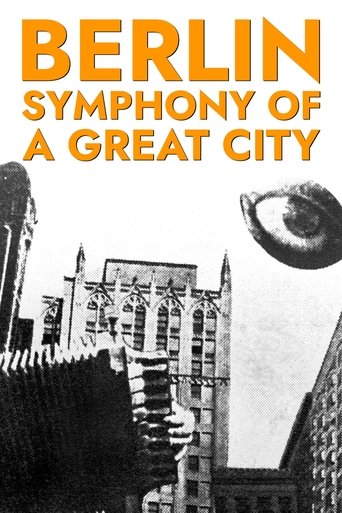
A day in the city of Berlin, which experienced an industrial boom in the 1920s, and still provides an insight into the living and working conditions at that time. Germany had just recovered a little from the worst consequences of the First World War, the great economic crisis was still a few years away and Hitler was not yet an issue at the time.
Hans Schilling, who emigrated to Chile shortly before World War 1, comes from Valparaiso to visit his old hometown of Stuttgart after an absence of almost 22 years. His brother Georg Schilling, who stayed in Stuttgart, picks him up at the train station. He proudly shows the homecomer the prospering, Swabian metropolis, followed by impressions of the city's architecture, economy and culture.