

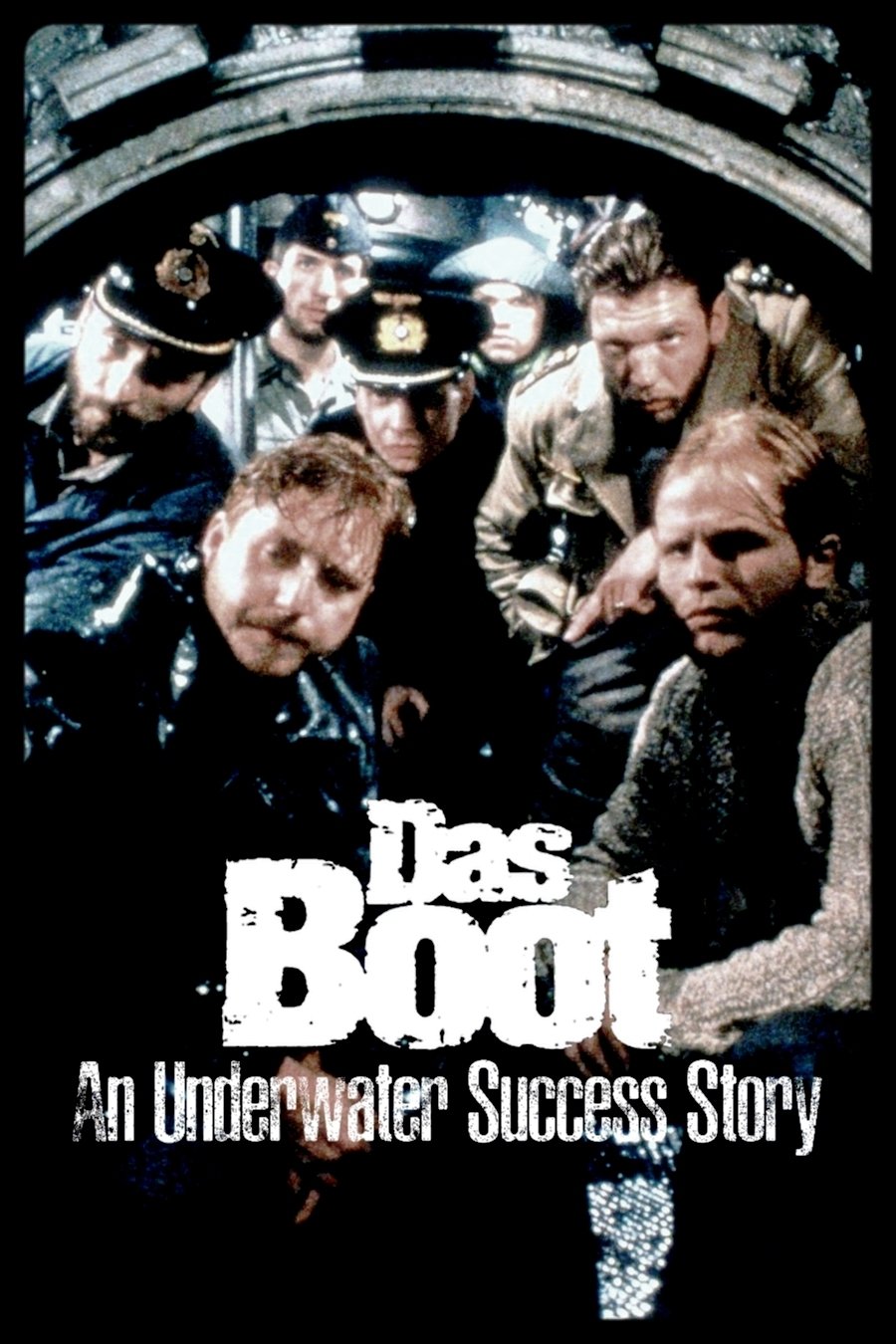
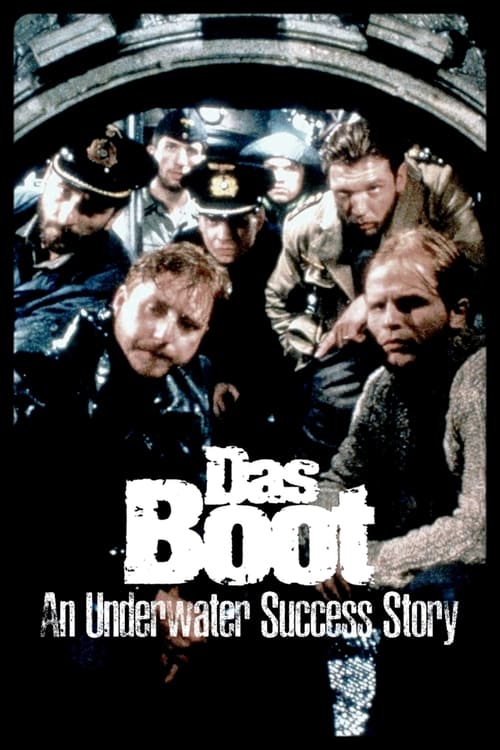
Das Boot Revisited: An Underwater Success Story
Documentary · History · TV Movie
Overview
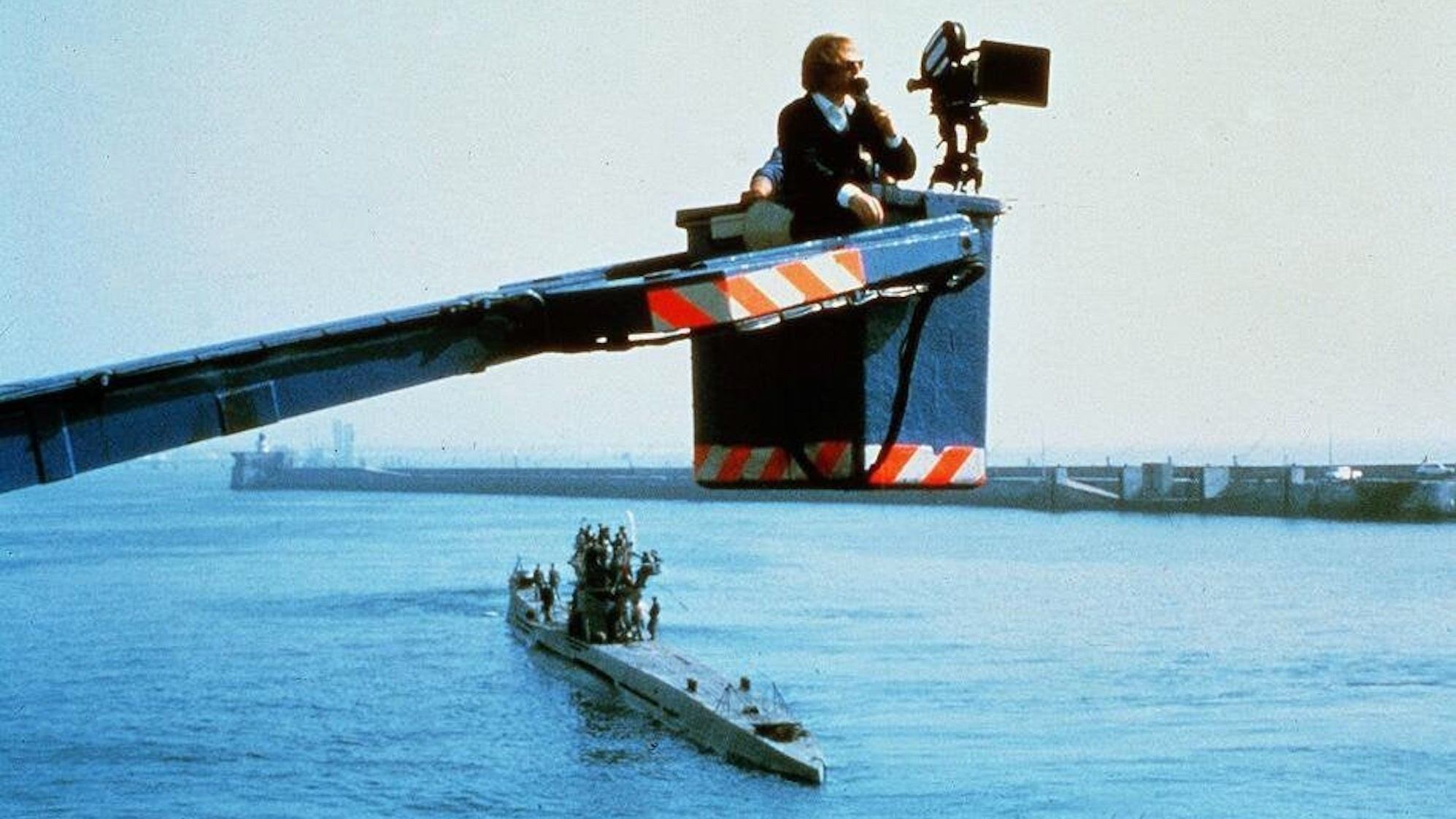
In 1981, a film about the misadventures of a German U-boat crew in 1941 becomes a worldwide hit almost four decades after the end of the World War II. Millions of viewers worldwide make Das Boot the most internationally successful German film of all time. But due to disputes over the script, accidents on the set, and voices accusing the makers of glorifying the war, the project was many times on the verge of being cancelled.
Top Cast

Ulrike Knospe
Self - Narrator (voice)

Claude-Oliver Rudolph
Self
Monika Bauert
Self - Das Boot Costume Designer
Herrmann Friedrich
Self - U-96 Crew Member
Hans-Joachim Krug
Self - Military Advisor
Günter Rohrbach
Self - Das Boot Producer

Rolf Zehetbauer
Self - Das Boot Production Designer
Herbert Grönemeyer
Self

Wolfgang Petersen
Self - Das Boot Screenwriter and Director

Otto Sander
Self
Götz Weidner
Self - Das Boot Art Director
Jan-Michael Brandt
Self - Das Boot Production Assistant






Ulrike Knospe
Ulrike Knospe
Self - Narrator (voice)
Ulrike Knospe
Self - Narrator (voice)
Claude-Oliver Rudolph
Claude-Oliver Rudolph
Self
Claude-Oliver Rudolph
Self
Monika Bauert
Monika Bauert
Self - Das Boot Costume Designer
Monika Bauert
Self - Das Boot Costume Designer
Herrmann Friedrich
Herrmann Friedrich
Self - U-96 Crew Member
Herrmann Friedrich
Self - U-96 Crew Member
Hans-Joachim Krug
Hans-Joachim Krug
Self - Military Advisor
Hans-Joachim Krug
Self - Military Advisor
Günter Rohrbach
Günter Rohrbach
Self - Das Boot Producer
Günter Rohrbach
Self - Das Boot Producer
Rolf Zehetbauer
Rolf Zehetbauer
Self - Das Boot Production Designer
Rolf Zehetbauer
Self - Das Boot Production Designer
Herbert Grönemeyer
Herbert Grönemeyer
Self
Herbert Grönemeyer
Self
Wolfgang Petersen
Wolfgang Petersen
Self - Das Boot Screenwriter and Director
Wolfgang Petersen
Self - Das Boot Screenwriter and Director
Otto Sander
Otto Sander
Self
Otto Sander
Self
Similar Movies
Homo Cinematographicus is a human species whose unit of measurement and point of reference is the cinema and its derivative, television. Filmed at the 1998 Cannes Film Festival, the film offers an unspecified number of statements, talking about memories and a thousand fragments of stories, titles and film scenes, the warp of a gigantic collective Chanson de geste.

The history of the Yakuza Eiga at the TOEI studio is roughly outlined. Real Yakuza and also their connections to the movie business are discussed, and many important actors and directors of the genres are interviewed. Former real yakuza boss turned actor Noboru Ando, Takashi Miike, Sonny Chiba and many more get a chance to speak.
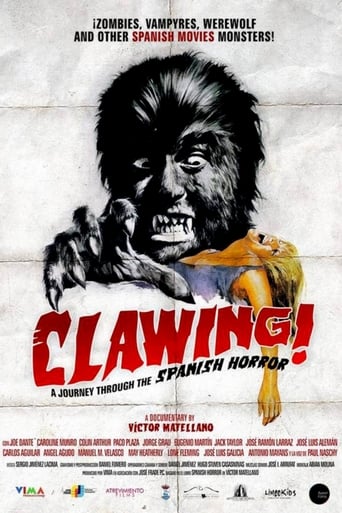
In the late sixties, Spanish cinema began to produce a huge amount of horror genre films: international markets were opened, the production was continuous, a small star-system was created, as well as a solid group of specialized directors. Although foreign trends were imitated, Spanish horror offered a particular approach to sex, blood and violence. It was an extremely unusual artistic movement in Franco's Spain.
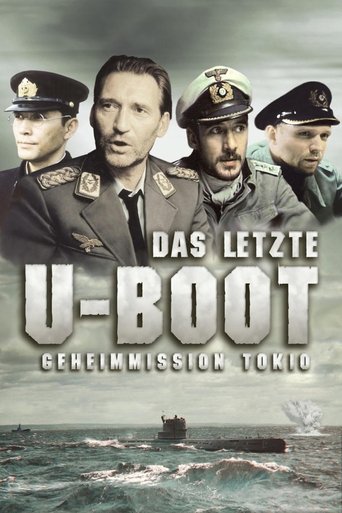
Near the end of WWII a lone U-Boat is sent from Germany to Japan carrying plutonium needed for a Japanese A-Bomb. During the long journey, news arrives on the radio that Hitler killed himself and Germany has surrendered. This causes a rift in the crew, the Nazi Party members wanting to continue to Japan since they are still at war, while the others just want to surrender or return home.