

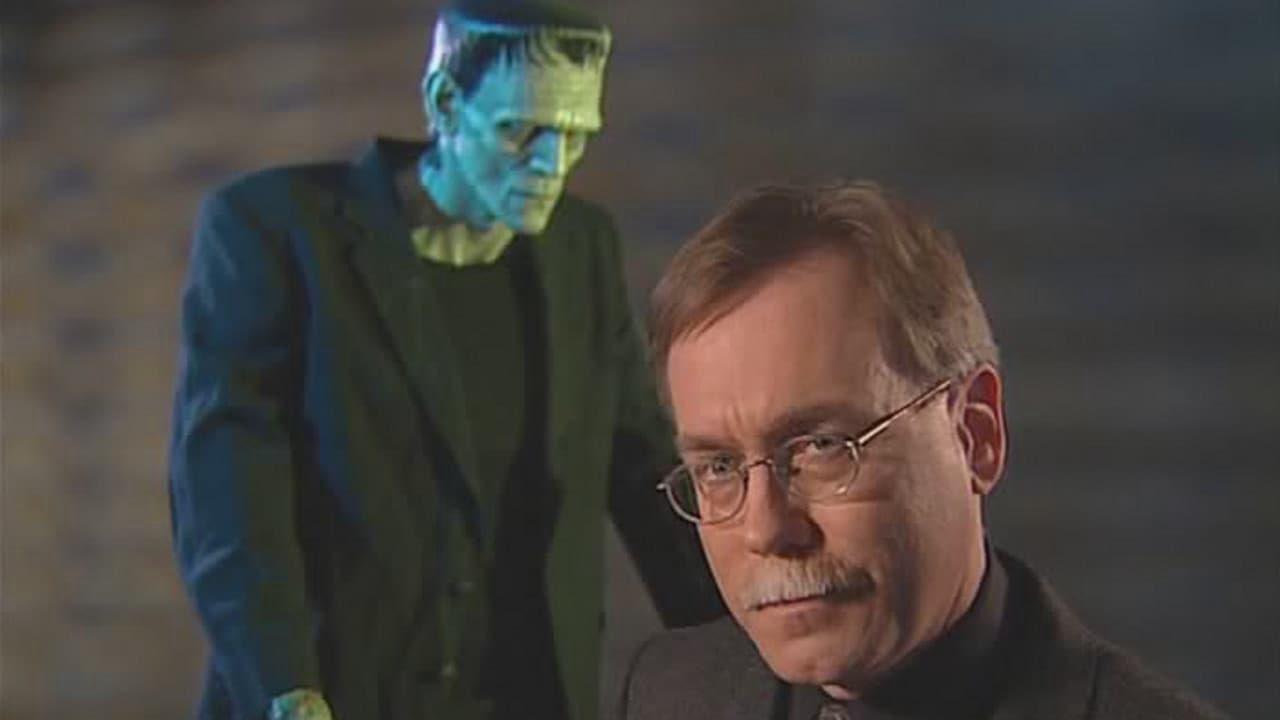
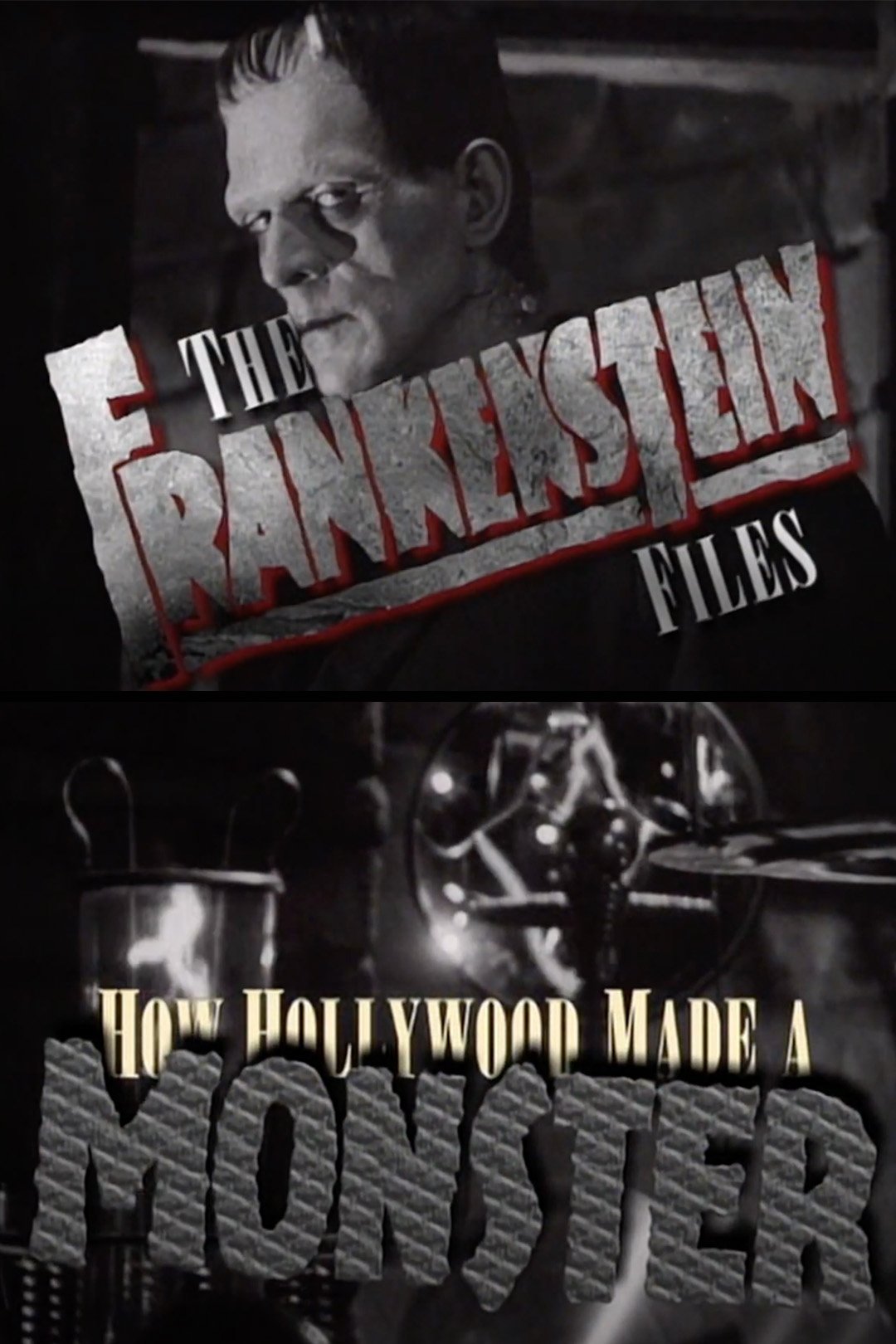
The 'Frankenstein' Files: How Hollywood Made a Monster
Documentary
Overview
The history of Frankenstein's journey from novel to stage to screen to icon.


David J. Skal
David J. Skal
Host - Self
David J. Skal
Host - Self

Rudy Behlmer
Rudy Behlmer
Self
Rudy Behlmer
Self

Sara Karloff
Sara Karloff
Self
Sara Karloff
Self
Bob Madison
Bob Madison
Self
Bob Madison
Self

Rick Baker
Rick Baker
Self
Rick Baker
Self

Donald F. Glut
Donald F. Glut
Self
Donald F. Glut
Self
Ivan Butler
Ivan Butler
Self
Ivan Butler
Self
Jan-Christopher Horak
Jan-Christopher Horak
Self
Jan-Christopher Horak
Self

Bill Condon
Bill Condon
Self
Bill Condon
Self
Richard Gordon
Richard Gordon
Self
Richard Gordon
Self
Similar Movies
An oral history exploring the development of film projection and cinema in Kingston-on-Thames - from resident innovator Eadweard Muybridge through the heyday, decline, and re-emergence of cinema. Features interviews with historians, projectionists and usherettes as well as cinema-goers with rare footage and images from Kingston’s cinemas.
The greatness, fall and renaissance of Hammer, the flagship company of British popular cinema, mainly from 1955 to 1968. Tortured women and sadistic monsters populated oppressive scenarios in provocative productions that shocked censorship and disgusted critics but fascinated the public. Movies in which horror was shown in offensive colors: dreadful stories, told without prejudices, that offered fear, blood, sex and stunning performances.
In 1964, Henri-Georges Clouzot's production of L'Enfer came to a halt. Despite huge expectations, major studio backing and an unlimited budget, after three weeks the production collapsed. This documentary presents Inferno's incredible expressionistic original rushes, screen tests, and on-location footage, whilst also reconstructing Clouzot's original vision, and shedding light on the ill-fated endeavor through interviews, dramatizations of unfilmed scenes, and Clouzot's own notes.
Cameramen and women discuss the craft and art of cinematography and of the "DP" (the director of photography), illustrating their points with clips from 100 films, from Birth of a Nation to Do the Right Thing. Themes: the DP tells people where to look; changes in movies (the arrival of sound, color, and wide screens) required creative responses from DPs; and, these artisans constantly invent new equipment and try new things, with wonderful results. The narration takes us through the identifiable studio styles of the 30s, the emergence of noir, the New York look, and the impact of Europeans. Citizen Kane, The Conformist, and Gordon Willis get special attention.
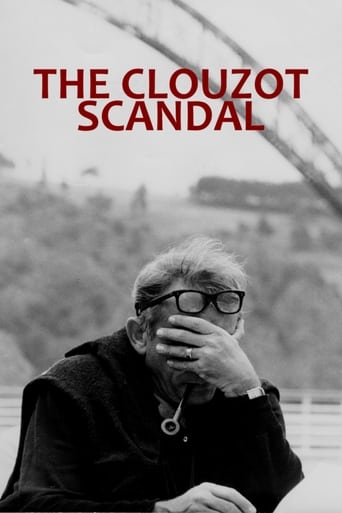
Great filmmakers claim the artistic influence of French director Henri-Georges Clouzot (1907-1977), a master of suspense, with a unique vision of the world, who knew how to offer both great shows and subtle studies of characters. Beyond the myth of the tyrannical director, a contrasting portrait of a visionary, an agitator, an artist against the system.