

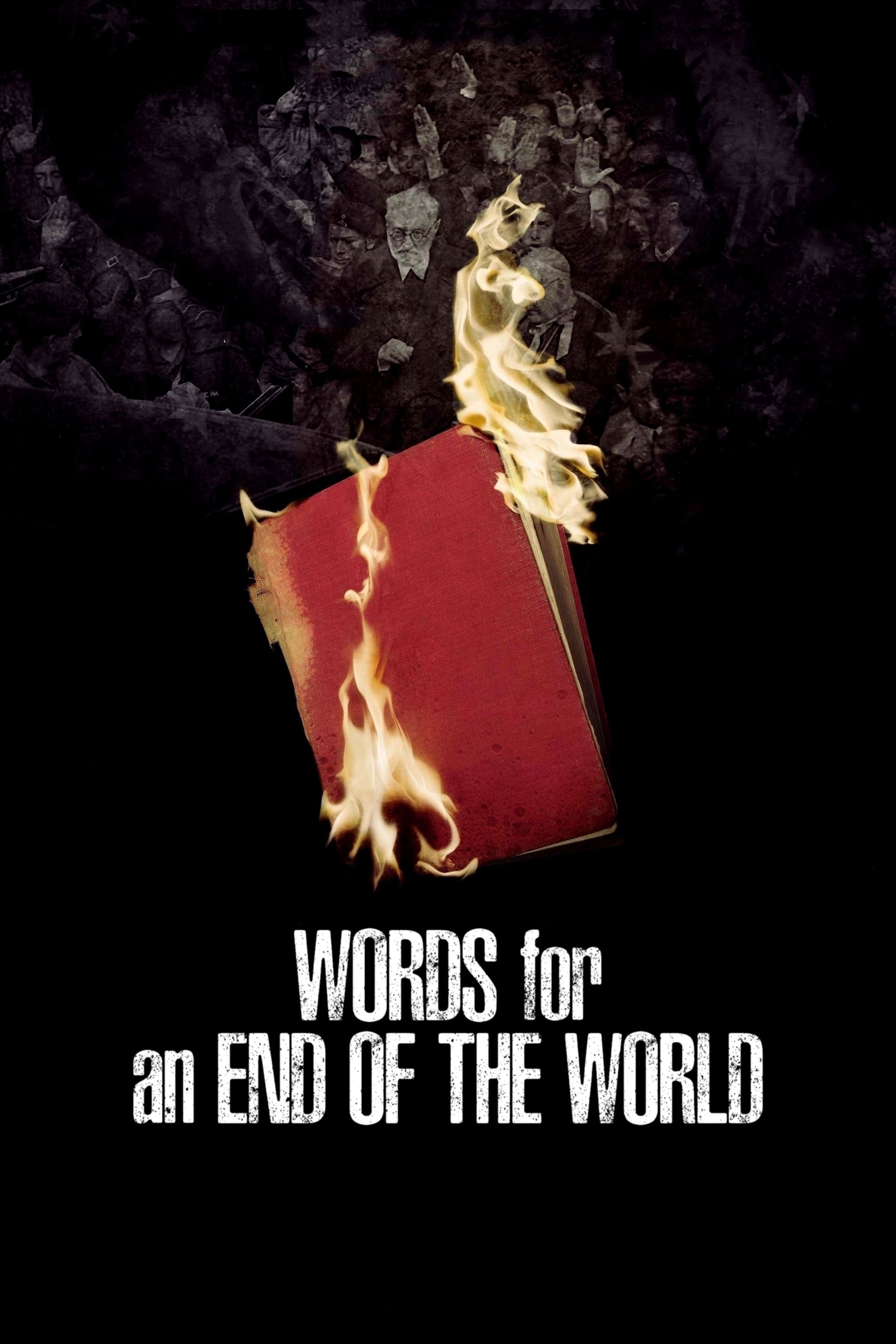
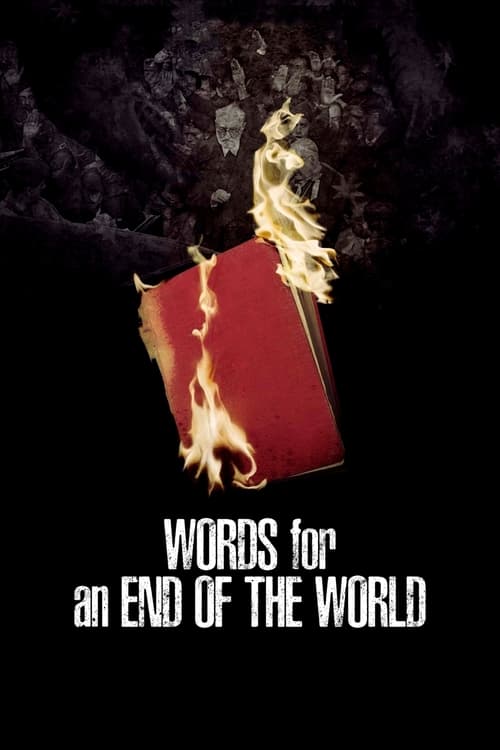
Words for an End of the World
Documentary · History
Overview
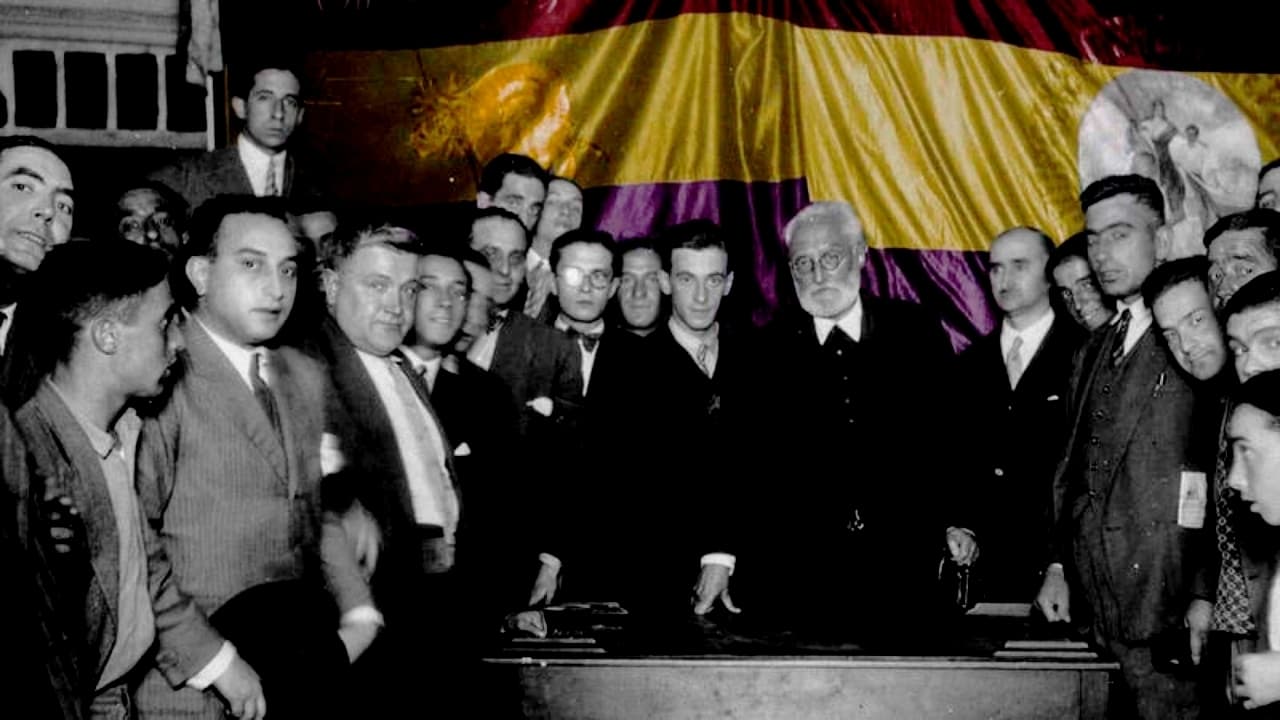
Spain, April 14, 1931. The Second Republic is born. From the beginning, the writer Miguel de Unamuno is considered one of the ethical pillars of the new regime. Five years later, on December 31, 1936, a few months after the outbreak of the Spanish Civil War (1936-39), Unamuno dies at his home in Salamanca, capital of the rebel side, led by General Francisco Franco, and main center of dissemination of its propaganda apparatus.
Top Cast

José Sacristán
Miguel de Unamuno (voice)

Marian Álvarez
Researcher (voice)
Víctor Clavijo
General Millán-Astray (voice)
Andrés Gertrúdix
Bartolomé Aragón (voice)
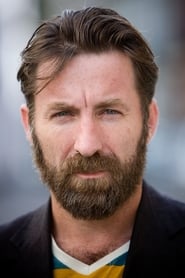
Antonio de la Torre
General Mola (voice)
Miguel Cubero
José María Pemán (voice)
Ramón Mayrata
Father Tusquets / Gen. Gonzalo de Aguilera (voice)
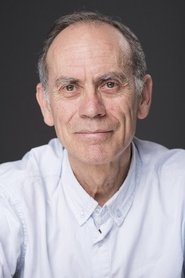
Vicente León
Manuel Azaña / Francisco Maldonado (voice)
Javier Maqua
Francisco Bravo (voice)
Margarita Arnaz
Susana Unamuno (voice)
Helvia Álvarez
Researcher
Miguel de Unamuno Adarraga
Self - Grandson





José Sacristán
José Sacristán
Miguel de Unamuno (voice)
José Sacristán
Miguel de Unamuno (voice)
Marian Álvarez
Marian Álvarez
Researcher (voice)
Marian Álvarez
Researcher (voice)
Víctor Clavijo
Víctor Clavijo
General Millán-Astray (voice)
Víctor Clavijo
General Millán-Astray (voice)
Andrés Gertrúdix
Andrés Gertrúdix
Bartolomé Aragón (voice)
Andrés Gertrúdix
Bartolomé Aragón (voice)
Antonio de la Torre
Antonio de la Torre
General Mola (voice)
Antonio de la Torre
General Mola (voice)
Miguel Cubero
Miguel Cubero
José María Pemán (voice)
Miguel Cubero
José María Pemán (voice)
Ramón Mayrata
Ramón Mayrata
Father Tusquets / Gen. Gonzalo de Aguilera (voice)
Ramón Mayrata
Father Tusquets / Gen. Gonzalo de Aguilera (voice)
Vicente León
Vicente León
Manuel Azaña / Francisco Maldonado (voice)
Vicente León
Manuel Azaña / Francisco Maldonado (voice)
Javier Maqua
Javier Maqua
Francisco Bravo (voice)
Javier Maqua
Francisco Bravo (voice)
Margarita Arnaz
Margarita Arnaz
Susana Unamuno (voice)
Margarita Arnaz
Susana Unamuno (voice)
Similar Movies
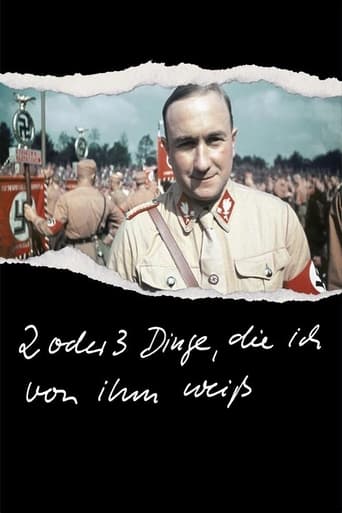
What would your family reminiscences about dad sound like if he had been an early supporter of Hitler’s, a leader of the notorious SA and the Third Reich’s minister in charge of Slovakia, including its Final Solution? Executed as a war criminal in 1947, Hanns Ludin left behind a grieving widow and six young children, the youngest of whom became a filmmaker. It's a fascinating, maddening, sometimes even humorous look at what the director calls "a typical German story." (Film Forum)
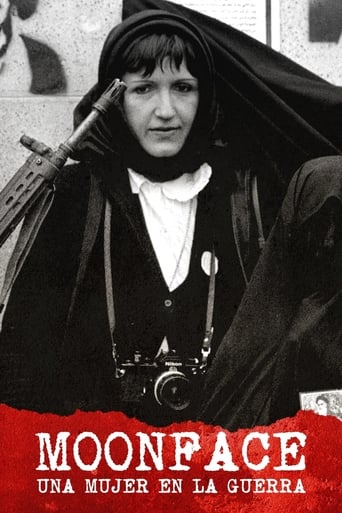
A walk through the life and career of the legendary French photojournalist Christine Spengler, known as Moonface, one of the few female war reporters in the seventies, also a writer and surrealist painter, who worked in Chad, Northern Ireland, Vietnam, Cambodia, Afghanistan, Lebanon, Iran, Iraq and other places where unfortunately war and death prevailed for years.
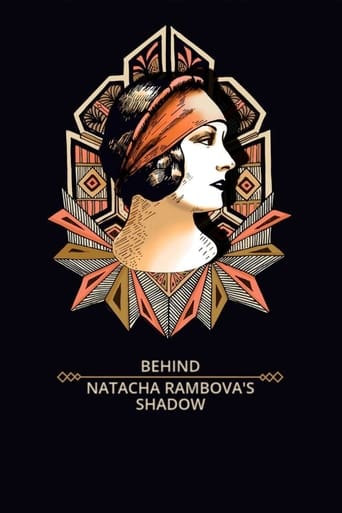
The adventurous life of Natacha Rambova (1897-1966), an American artist, born Winifred Kimball Shaughnessy, who reincarnated herself countless times: false Russian dancer, silent film actress, scenographer and costume designer, writer, spiritist, Egyptologist, indefatigable traveler, mysterious and curious; an amazing 20th century woman who created the myth of Rudolph Valentino.
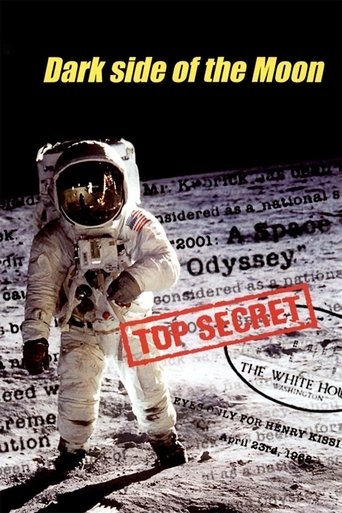
A French documentary or, one might say more accurately, a mockumentary, by director William Karel which originally aired on Arte in 2002 with the title Opération Lune. The basic premise for the film is the theory that the television footage from the Apollo 11 Moon landing was faked and actually recorded in a studio by the CIA with help from director Stanley Kubrick.
The story of black and mixed race people in Nazi Germany who were sterilised, experimented upon, tortured and exterminated in the Nazi concentration camps. It also explores the history of German racism and examines the treatment of Black prisoners-of-war. The film uses interviews with survivors and their families as well as archival material to document the Black German Holocaust experience.