

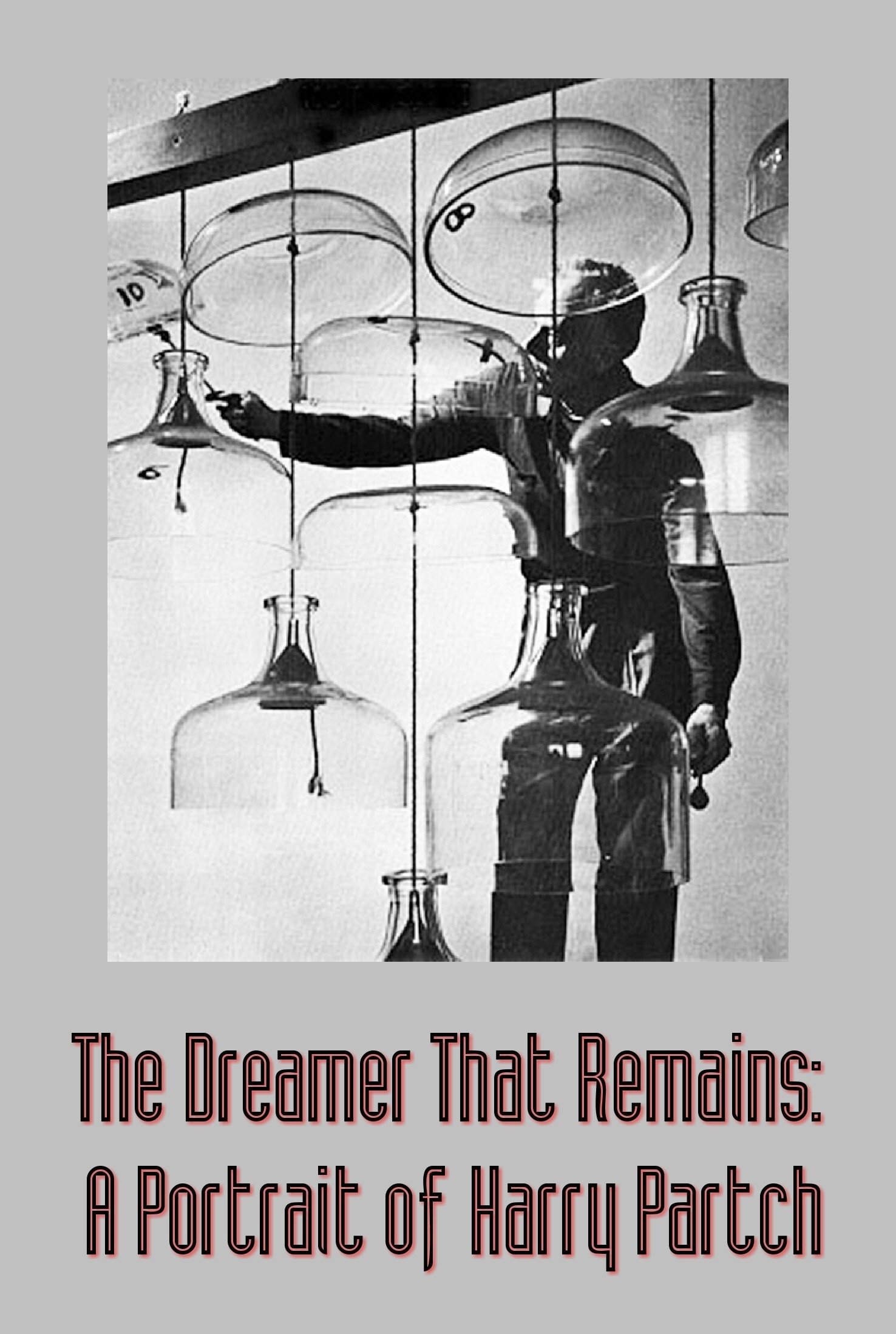
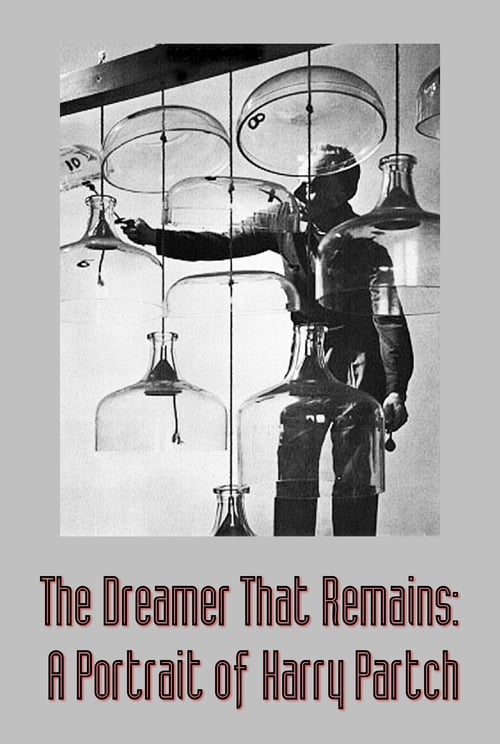
The Dreamer That Remains: A Portrait of Harry Partch
Music · Documentary
Overview
The Dreamer That Remains is a documentary produced by Betty Freeman and directed by Stephen Pouliot in 1972. Here is the director’s original cut along with his commentary. If you’ve never seen Partch or his instruments before, this is the place to start.
Top Cast





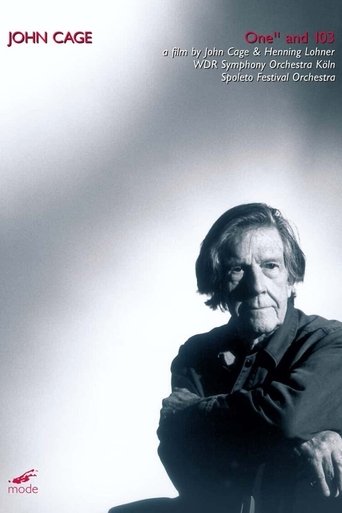



Harry Partch
Harry Partch
Harry Partch
Similar Movies

The inner world of the great painter Max Ernst is the subject of this film. One of the principal founders of Surrealism, Max Ernst explores the nature of materials and the emotional significance of shapes to combine with his collages and netherworld canvases. The director and Ernst together use the film creatively as a medium to explain the artist's own development.

Meet Shavon O'Brien: Her family doesn't understand her, her church ignores her, even Jesus forgets about her. With only the spirit of Sinead O'Connor to guide her, Shavon battles institutional child abuse, narcissistic group think, a talking stomach and a singing poop bucket! Shavon goes from Catholic to Crusty Punk in this very, very, very, dark musical comedy!
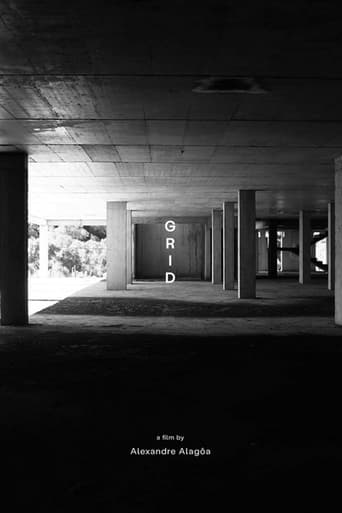
A ritual of grids, reflections and chasms; a complete state of entropy; a space that devours itself; a vertigo that destroys the gravity of the Earth; a trap that captures us inside the voids of the screen of light: «That blank arena wherein converge at once the hundred spaces» (Hollis Frampton).

In 1919 an art school opened in Germany that would change the world forever. It was called the Bauhaus. A century later, its radical thinking still shapes our lives today. Bauhaus 100 is the story of Walter Gropius, architect and founder of the Bauhaus, and the teachers and students he gathered to form this influential school. Traumatised by his experiences during the Great War, and determined that technology should never again be used for destruction, Gropius decided to reinvent the way art and design were taught. At the Bauhaus, all the disciplines would come together to create the buildings of the future, and define a new way of living in the modern world.
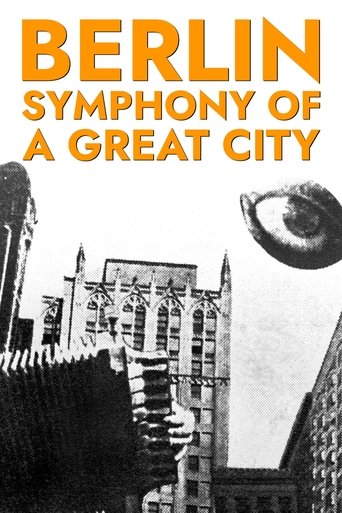
A day in the city of Berlin, which experienced an industrial boom in the 1920s, and still provides an insight into the living and working conditions at that time. Germany had just recovered a little from the worst consequences of the First World War, the great economic crisis was still a few years away and Hitler was not yet an issue at the time.