

Hello, Hello, Terezinha!
Documentary
Overview
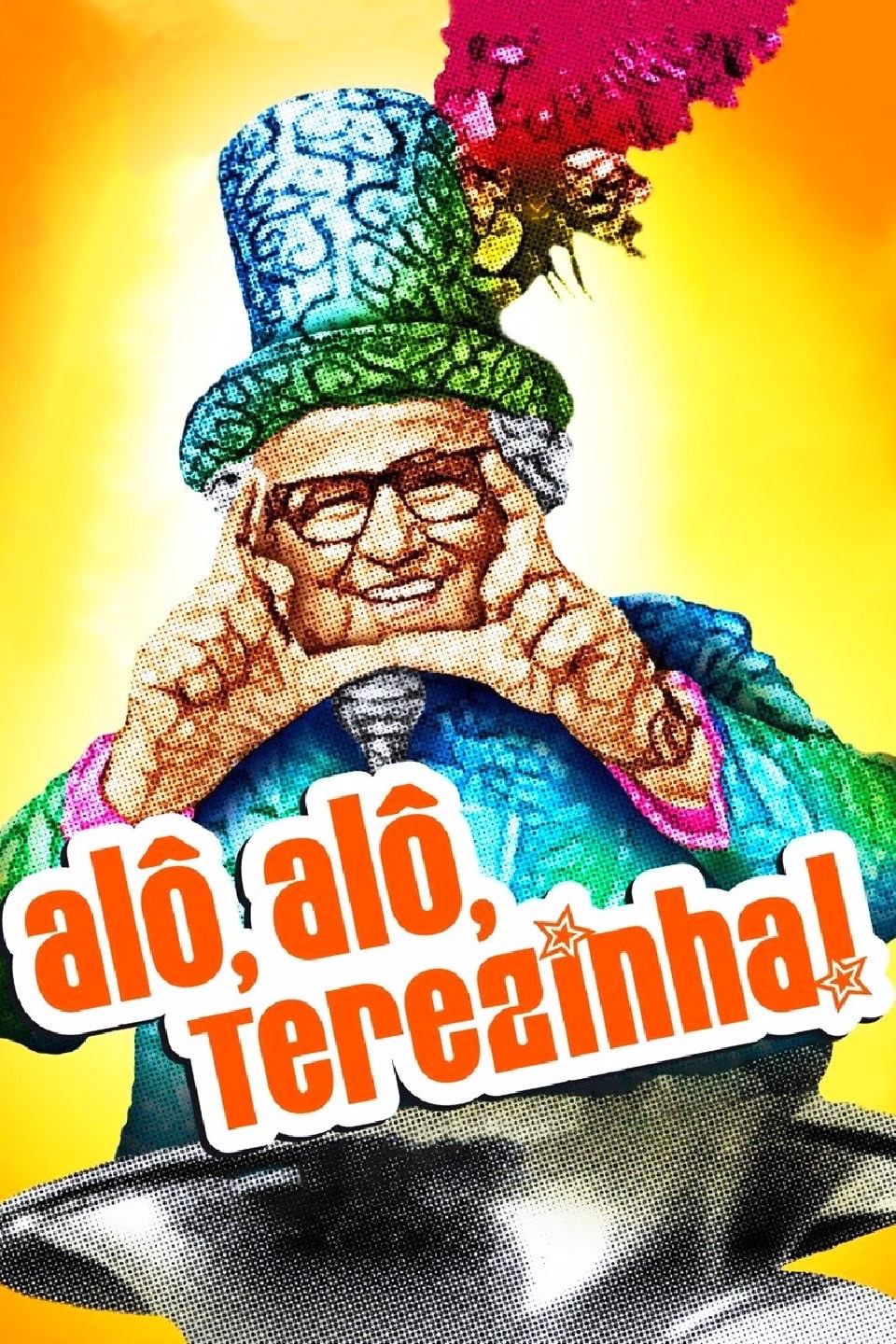
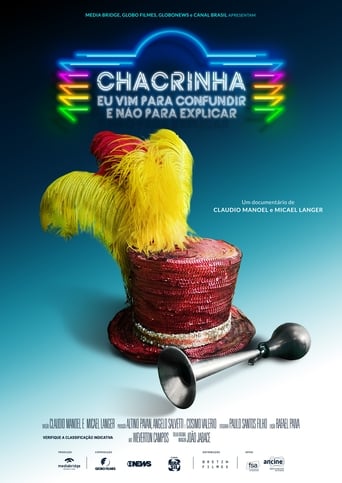
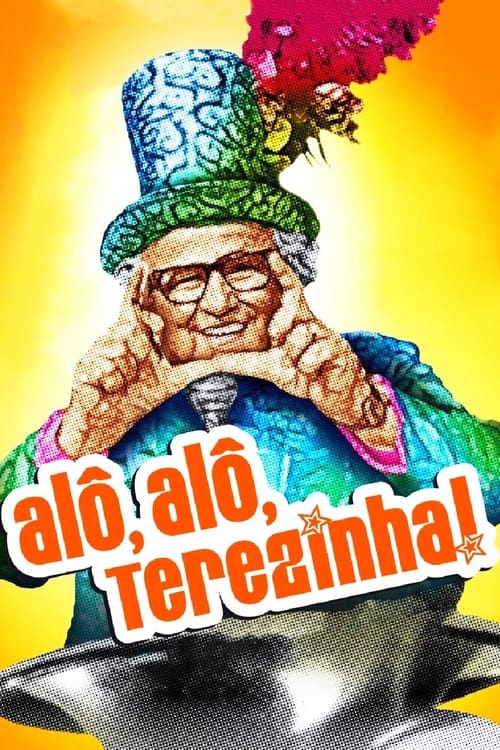
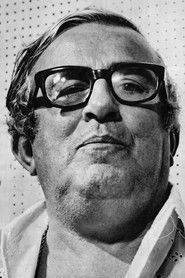
Hello, Hello, Terezinha! is a feature-length documentary about the country's biggest communication phenomenon. Politically incorrect, radical, renewing, Chacrinha changed Brazilian television forever and expressed a Brazil that was around it, but was not perceived. The film tells the great adventure of Abelardo Barbosa through the eyes of the presenter. It gathers the nuclei of its constellation - chacretes, fledglings and artists who passed through its programs - to identify their individualities and their emotions.


Chacrinha
Chacrinha
Self (archive footage)
Chacrinha
Self (archive footage)

Rita Cadillac
Rita Cadillac
Self
Rita Cadillac
Self

Gretchen
Gretchen
Self
Gretchen
Self

Elba Ramalho
Elba Ramalho
Self
Elba Ramalho
Self

Roberto Carlos
Roberto Carlos
Self
Roberto Carlos
Self

Jerry Adriani
Jerry Adriani
Self
Jerry Adriani
Self
Biafra
Biafra
Self
Biafra
Self

Dercy Gonçalves
Dercy Gonçalves
Self
Dercy Gonçalves
Self
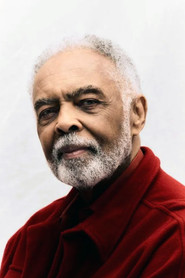
Gilberto Gil
Gilberto Gil
Self
Gilberto Gil
Self
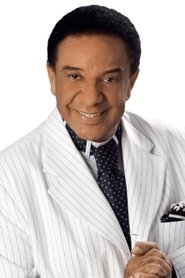
Agnaldo Timóteo
Agnaldo Timóteo
Self
Agnaldo Timóteo
Self
Similar Movies
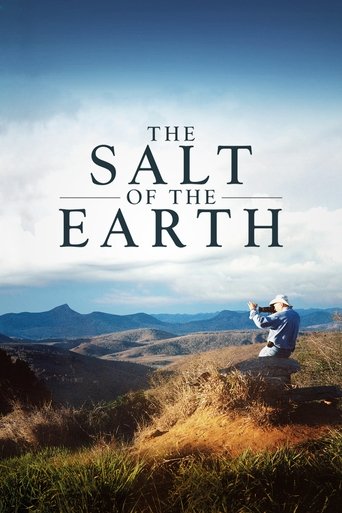
During the last forty years, the photographer Sebastião Salgado has been travelling through the continents, in the footsteps of an ever-changing humanity. He has witnessed the major events of our recent history: international conflicts, starvations and exodus… He is now embarking on the discovery of pristine territories, of the wild fauna and flora, of grandiose landscapes: a huge photographic project which is a tribute to the planet's beauty. Salgado's life and work are revealed to us by his son, Juliano, who went with him during his last journeys, and by Wim Wenders, a photographer himself.

Cássia Eller Rejane. Cássia Eller. Cássia. A powerful restless force on stage, shined herself out of it. One of the greats of Brazilian music, Cássia Eller marked the 1990s and shocked the country with her early death in 2001. A film about the singer, the mother, the woman who exposed her personal life and broke barriers, leaving a beautiful social and artistic legacy.
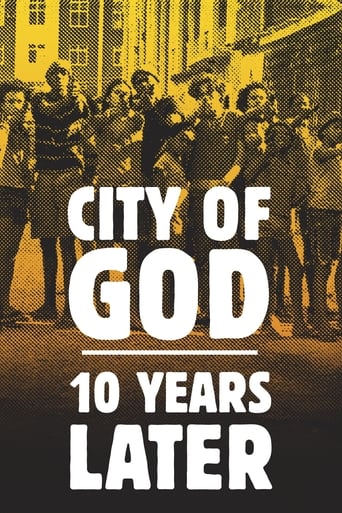
City of God – 10 Years Later investigates what happened to the actors who took part in the award-winning film directed by Fernando Meirelles and Katia Lund. This documentary shows what City of God’s worldwide success meant to their lives. Were the actors prepared for the film’s success? Did the social background of some of them prove stronger than the opportunity that came their way?

A tomato is planted, harvested and sold at a supermarket, but it rots and ends up in the trash. But it doesn’t end there: Isle of Flowers follows it up until its real end, among animals, trash, women and children. And then the difference between tomatoes, pigs and human beings becomes clear.
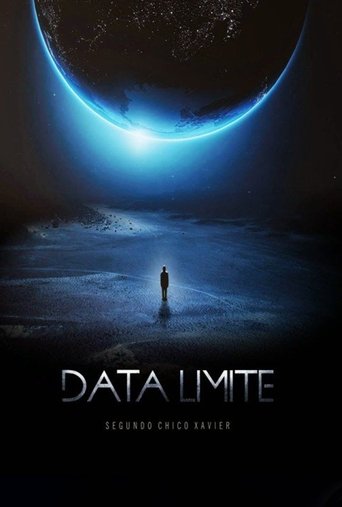
UFO experts claim that after the explosion of the bombs on Hiroshima and Nagasaki, there was an increase in the number of sightings of UFO'S (Unidentified Flying Objects) worldwide. Just over two decades later, the Brazilian medium Chico Xavier confided to close friends that when man reached the moon on July 20, 1969, happened a meeting with the celestial beings of our solar system to check the progress of humanity. They decided to grant a period of 50 years for humanity to evolve morally and live in peace, without provoking a third world war. If we live in peace until the Deadline, humanity would be ready to enter a new era of its existence, and magnificent feats would be checked everywhere, including our brothers from other planets would be expressly authorized to present themselves publicly and officially to Earth's residents.
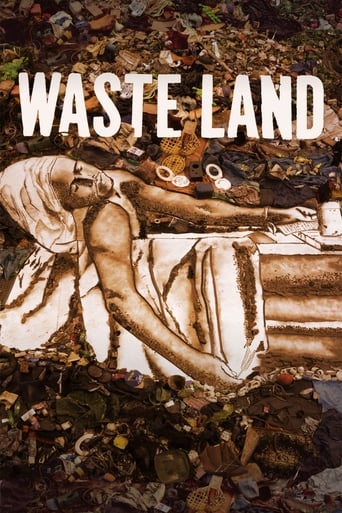
An uplifting feature documentary highlighting the transformative power of art and the beauty of the human spirit. Top-selling contemporary artist Vik Muniz takes us on an emotional journey from Jardim Gramacho, the world's largest landfill on the outskirts of Rio de Janeiro, to the heights of international art stardom. Vik collaborates with the brilliant catadores, pickers of recyclable materials, true Shakespearean characters who live and work in the garbage quoting Machiavelli and showing us how to recycle ourselves.
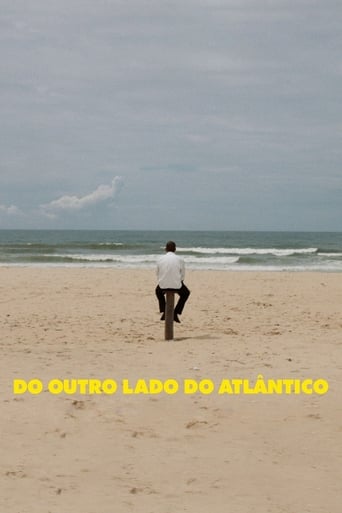
The Other Side of the Atlantic is a documentary that builts a bridge in the ocean that separates Brazil and Africa. The film tackles the cultural exchanges, the imaginary created through the mirroring, the prejudice and dreams built in both sides of the atlantic through the life stories of the students of african countries in transit through Brazil.

Narrated by Morgan Freeman, this groundbreaking new documentary uncovers the UN sanctioned war on drugs, charting its origins and its devastating impact on countries like the USA, Colombia and Russia. Featuring prominent statesmen including Presidents Clinton and Carter, the film follows The Global Commission on Drug Policy on a mission to break the political taboo and expose the biggest failure of global policy in the last 50 years

Ebony Goddess: Queen of Ilê Aiyê follows three women competing to be the carnival queen of Ilê Aiyê, a prominent and controversial Afro-Brazilian group with an all-black membership. The selection is based on Afro-centric notions of beauty, in counterpoint to prevailing standards of beauty in Brazil, a country famous for slim supermodels and plastic surgery. Contestants for the title of Ebony Goddess dress in flowing African-style garments, gracefully performing traditional Afro-Brazilian dances to songs praising the beauty of black women.
Festive Land examines one of the largest and most extraordinary popular celebrations in the world, the week-long Carnival that brings more than two million people to the streets of Salvador, the capital of Bahia, in northeastern Brazil. Carnival is the most expressive showcase of the unique cultural richness of Bahia, where African culture has survived, prospered, and evolved, mixing with other Brazilian influences to create forms found nowhere else in the world. The film captures this unique cultural energy through extraordinary footage of musical performances, dances, religious manifestations, and street celebrations. At the same time, Carnival reflects the racial and social tensions of Brazil's heterogeneous society. At first glance there appear to be two million people chaotically mixed on the streets, but a more detailed look reveals how patterns of segregation driven by racial, social and economic differences continue in Carnival.