

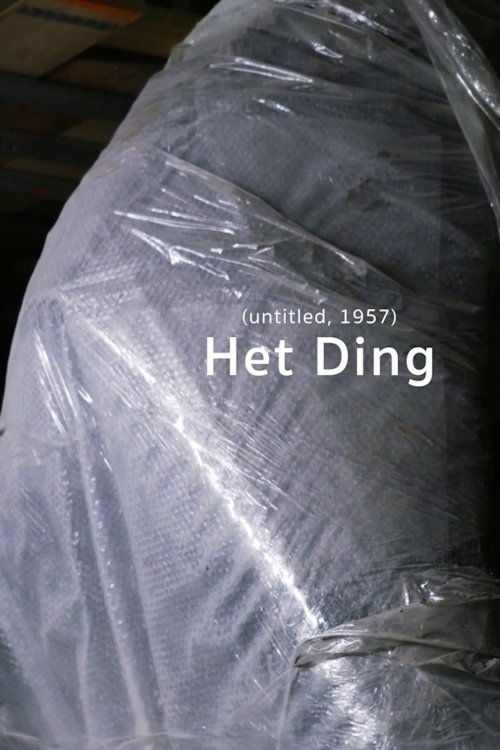
Het Ding (untitled, 1957)
Documentary
Overview
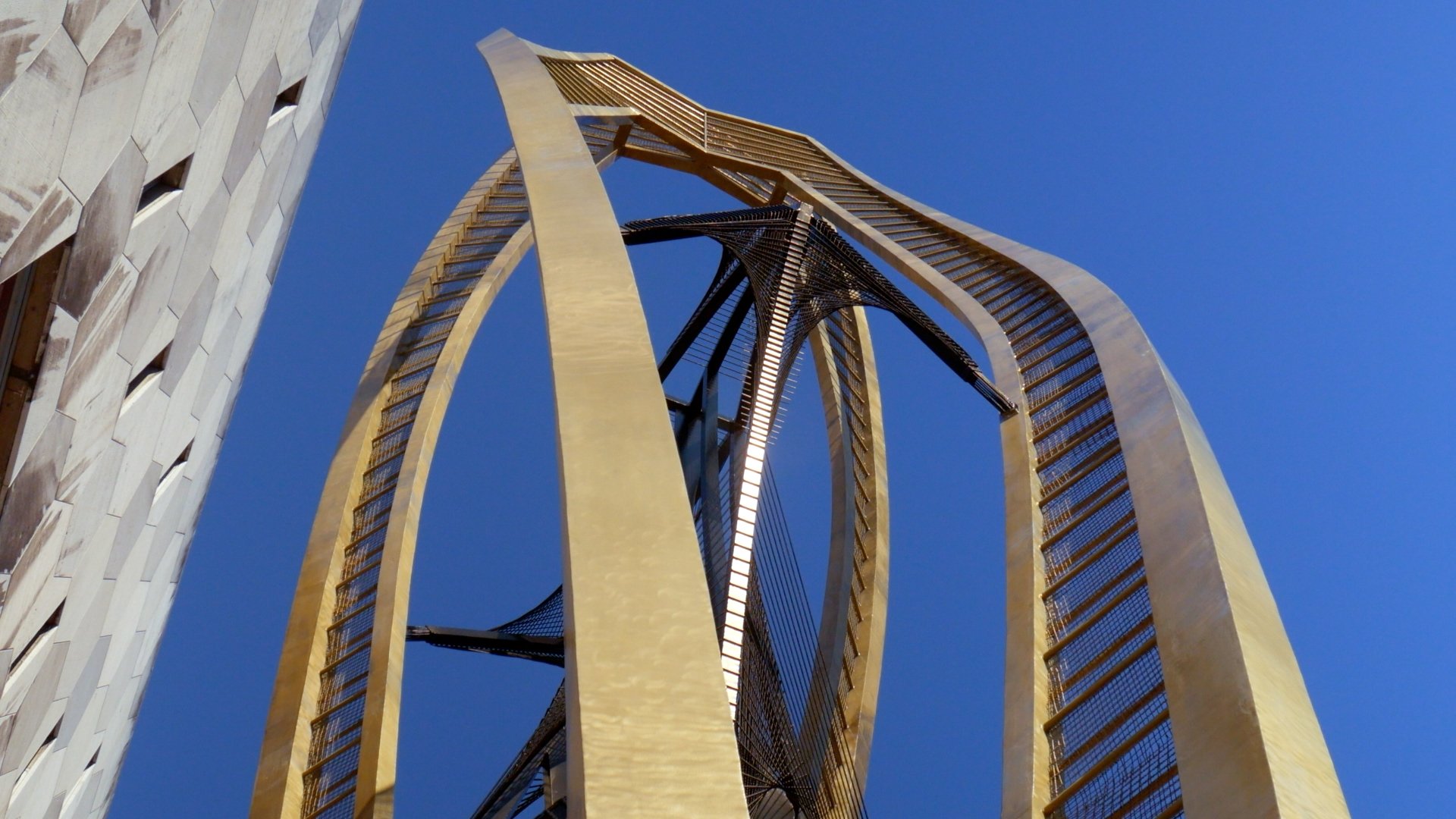
Next to the Bijenkorf on the Coolsingel stands one of Rotterdam’s most famous sculptures, an untitled structure created by Russian modernist artist Naum Gabo, that has been simply called Het Ding (The Thing). This documentary about the restoration of Naum Gabo’s nameless sculpture from 1957 combines awe-inspiring shots of this artwork with audio fragments from Gabo’s fiery Russian manifests.


No cast information.
Similar Movies
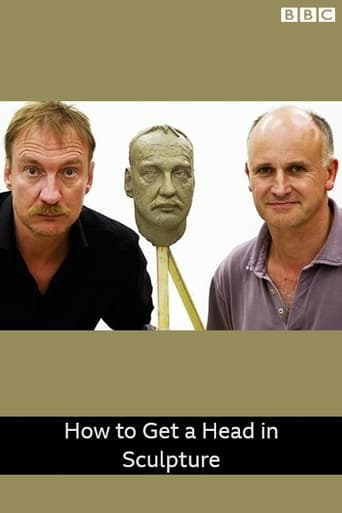
From the heads of Roman Emperors to the 'blood head' of contemporary British artist Marc Quinn, the greatest figures in world sculpture have continually turned to the head to re-evaluate what it means to be human and to reformulate how closely sculpture can capture it. Witty, eclectic and insightful, this film is a journey through the most enduring subject for world sculpture, one that carves a path through politics and religion, the ancient and the modern. Actor David Thewlis has his head sculpted by three different sculptors, while the Archbishop of Canterbury Dr Rowan Williams, artist Maggi Hambling and art critic Rachel Johnston discuss art's most enduring preoccupation, ourselves.
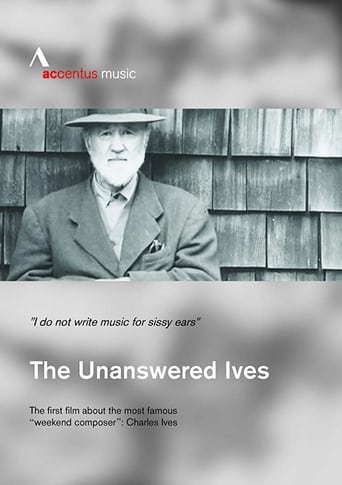
The Unanswered Ives is the first film about Charles Ives (1874-1954), an American modernist composer, one of the first American composers of international renown. The 60-minute documentary sheds light on Ives' life and work in all its facets and inconsistencies. American singer and composer Frank Zappa included Charles Ives in a list of influences that he presented in the liner notes of his debut album Freak Out! (1966). Ives continues to influence contemporary composers, arrangers and musicians. Planet Arts Records released Mists: Charles Ives for Jazz Orchestra. Ives befriended and encouraged a young Elliott Carter. In addition, Phil Lesh, bassist of the Grateful Dead, has described Ives as one of his two musical heroes.
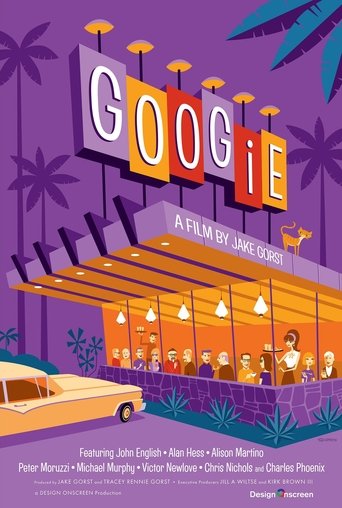
Googie architecture was one of the most visually exuberant and culturally formative design movements of the mid-20th century, yet it remains widely misunderstood. Defined by bold angles, sweeping rooflines, neon signage, and a sense of space-age optimism, Googie transformed everyday buildings into roadside spectacle. Coffee shops, bowling alleys, car washes, banks, and churches were designed not just for function, but to captivate motorists cruising by. Rooted in Los Angeles, the movement drew inspiration from visionary architects such as Frank Lloyd Wright and John Lautner, while firms like Armet & Davis brought futuristic flair to the commercial landscape. Though many original structures have been lost, preservationists now champion Googie as a serious architectural expression—one that captured the aspirations of postwar America and reshaped the visual identity of the modern city.
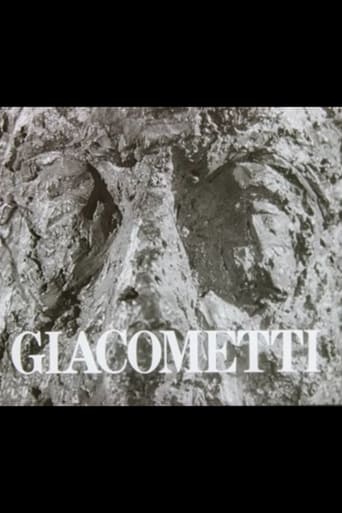
The Arts Council commissioned this film to coincide with their major retrospective of Giacometti's work at the Tate Gallery (now Tate Britain) in the summer of 1965. A similar exhibition was held concurrently at the Museum of Modern Art in New York, sealing the artist's reputation as a modern master.
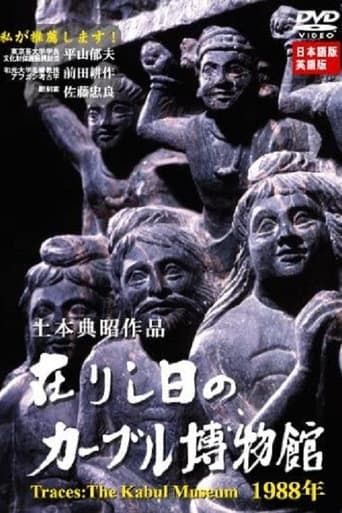
The Kabul National Museum, once known as the "face of Afghanistan," was destroyed in 1993. We filmed the most important cultural treasures of the still-intact museum in 1988: ancient Greco-Roman art and antiquitied of Hellenistic civilization, as well as Buddhist sculpture that was said to have mythology--the art of Gandhara, Bamiyan, and Shotorak among them. After the fall of the Democratic Republic of Afghanistan in 1992, some seventy percent of the contents of the museum was destroyed, stolen, or smuggled overseas to Japan and other countries. The movement to return these items is also touched upon. The footage in this video represents that only film documentation of the Kabul Museum ever made.