

NA China
Documentary
Overview
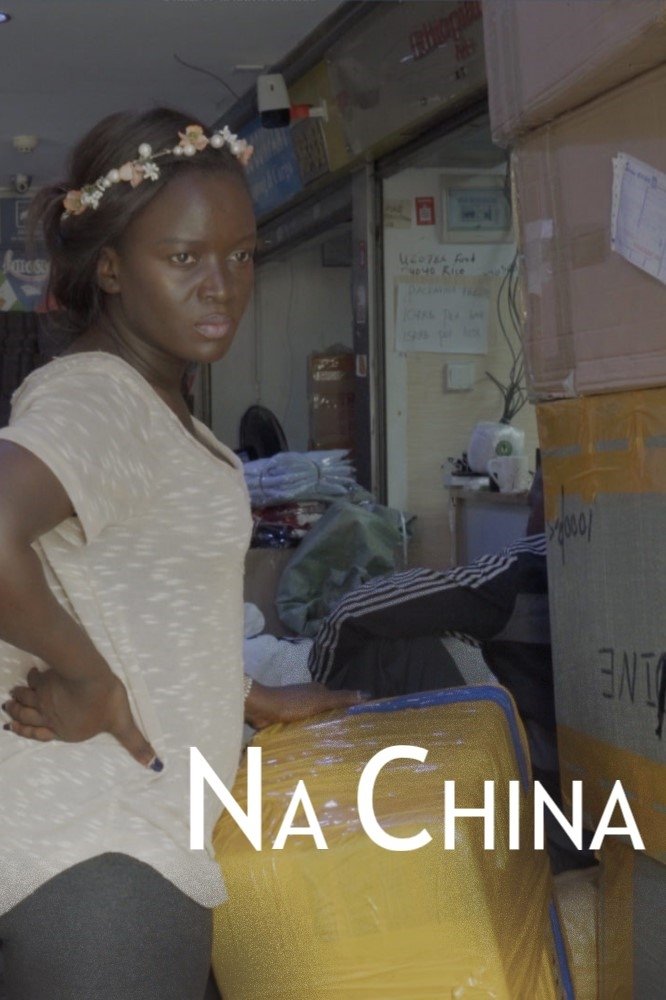
The implantation of African traders in Guangzhou is a recent phenomenon, on which Marie Voignier reports through her interlinking portraits of Jackie, Julie, Shanny who have come to set up their business on site. Amidst the monstrous accumulation of merchandise on the endless markets of the megacity, the film follows these African businesswomen grappling with the globalised Chinese economy.








No cast information.
Similar Movies

Railroad of Hope consists of interviews and footage collected over three days by Ning Ying of migrant agricultural workers traveling from Sichuan in China's interior, to the Xinjiang Autonomous Region, China's northwest frontier.[1] Through informal interviews aboard the cramped rail cars, Ning Ying explores the hopes and dreams of the workers, many of whom have never left their homes before.
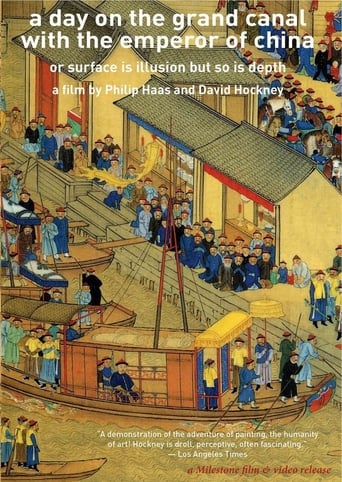
Director Philip Haas and artist David Hockney invite you to join them on a magical journey through China via a marvelous 72-foot long 17th-century Chinese scroll entitled The Kangxi Emperor's Southern Inspection Tour (1691-1698), scroll seven . As Hockney unrolls the beautiful and minutely detailed work of art, he traces the Emperor Kangxi’s second tour of his southern empire in 1689.
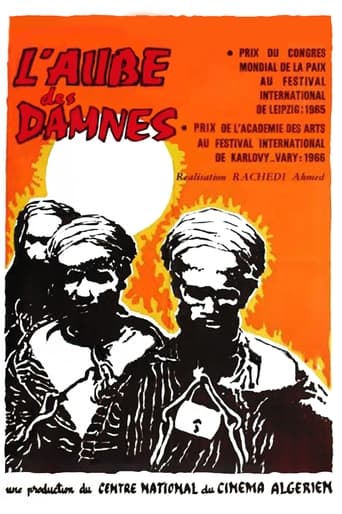
This excellent feature-length documentary - the story of the imperialist colonization of Africa - is a film about death. Its most shocking sequences derive from the captured French film archives in Algeria containing - unbelievably - masses of French-shot documentary footage of their tortures, massacres and executions of Algerians. The real death of children, passers-by, resistance fighters, one after the other, becomes unbearable. Rather than be blatant propaganda, the film convinces entirely by its visual evidence, constituting an object lesson for revolutionary cinema.

The film revolves around the daily operations at a business switchboard, highlighting the interactions between Connie, Kelly, and their colleagues. Connie is excited about her boyfriend Brad's success in securing a significant deal, while Kelly shares her frustrations about the inefficiencies at the switchboard. The dialogue illustrates the importance of communication and professionalism in business, emphasizing how switchboard operators, though often unseen, play a crucial role in maintaining a positive company image and facilitating important calls. The narrative concludes with Connie preparing for a date with Brad, reflecting on the significance of their work.
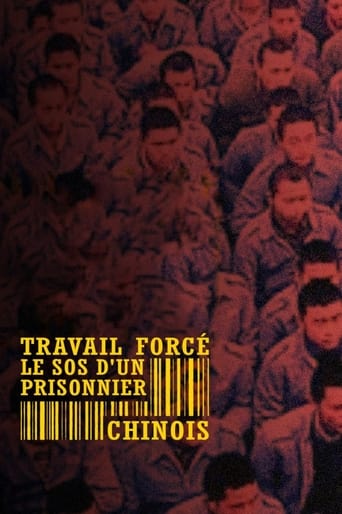
A desperate cry for help written in Chinese was discovered in a pregnancy test sold in France and made in a Chinese factory. It revealed a hidden world of Chinese prison-companies where prisoners are forced to work for 15 hour days manufacturing products for export. This documentary tries to find out who wrote the letter.
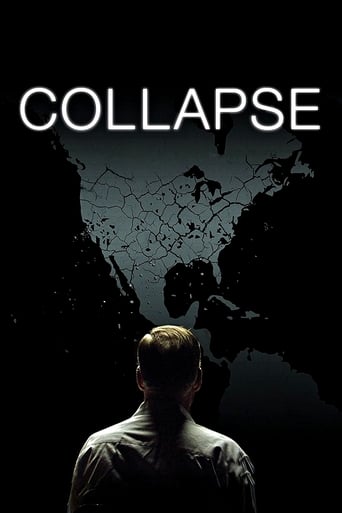
From the acclaimed director of American Movie, the documentary follows former Los Angeles police officer turned independent reporter Michael Ruppert. He recounts his career as a radical thinker and spells out his apocalyptic vision of the future, spanning the crises in economics, energy, environment and more.
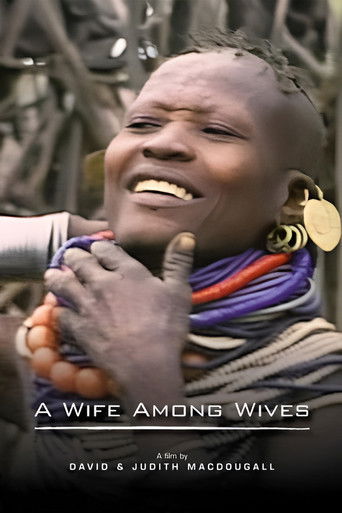
David and Judith MacDougall are exploring the marriage rituals and roles of Turkana women in this ethnographic documentary. The film's biggest part is taken up by talks between the Turkana people. As one of the first ethnographic documentaries "A Wife Among Wives" subtitles these talks so that the viewer can get a better and probably more personal understanding of the life of the Turkana.

Paul and Phyllis van Amburgh, believing that a small, family farm is the best place to raise their children, take their life savings and buy a defunct dairy. With three children and a fourth on the way and armed only with their principles and determination, they fight to defy the odds as they become full time farmers. THE FIRST SEASON, through an intimate, cinema verite style, bears witness to the Van Amburgh's struggle as they fight against relentless toil, financial ruin and the harsh reality of diary farming to achieve their version of the American dream.
Many geneticists and archaeologists have long surmised that human life began in Africa. Dr. Spencer Wells, one of a group of scientists studying the origin of human life, offers evidence and theories to support such a thesis in this PBS special. He claims that Africa was populated by only a few thousand people that some deserted their homeland in a conquest that has resulted in global domination.