

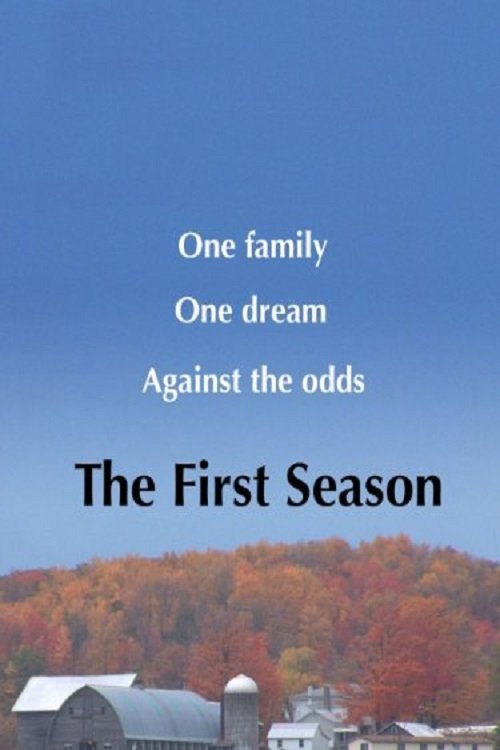
The First Season
Documentary
Overview
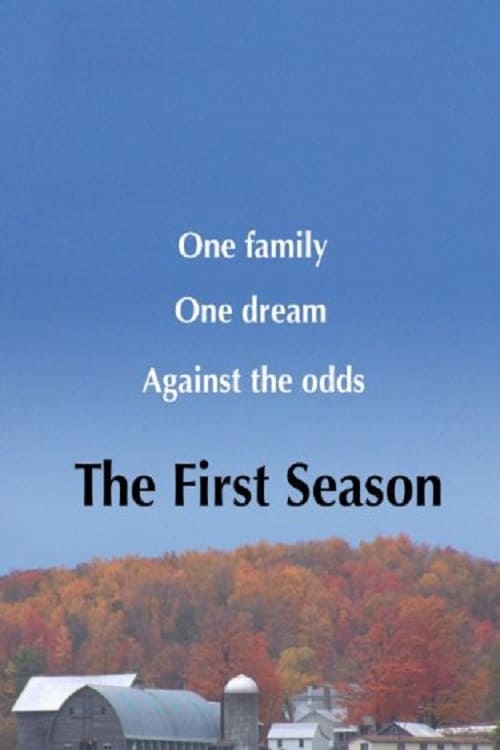
Paul and Phyllis van Amburgh, believing that a small, family farm is the best place to raise their children, take their life savings and buy a defunct dairy. With three children and a fourth on the way and armed only with their principles and determination, they fight to defy the odds as they become full time farmers. THE FIRST SEASON, through an intimate, cinema verite style, bears witness to the Van Amburgh's struggle as they fight against relentless toil, financial ruin and the harsh reality of diary farming to achieve their version of the American dream.
No cast information.
Similar Movies
Sahrawi artist and visual poet Mohamed Sleiman Labat follows the story of the emerging phenomenon of small scale family gardens in his local community in the Hamada Desert. The film features the story of four families in Samara Camp with small scale gardens, their practices and the knowledge they develop as part of their practices in the garden. The camps are located in a very harsh environment with extreme climate conditions, and the Sahrawi are still dependent on international food aid.
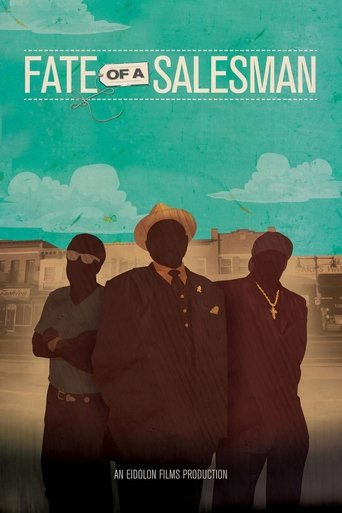
Fate of a Salesman is an intimate portrait of a way of life on the verge of disappearing. In its 60th year of business, Men's Fashion Center in Washington, DC has come to represent identity, legacy and redemption for salesmen Willie and Steve and owner Jerry. But business has crawled to a halt in the face of a tough economy and changing neighborhood, pushing the store to the verge of closure. Set amidst racks of pin-striped suits and feathered hats- the clothing of a bygone era- the men struggle to redefine themselves as the place with which they have long identified begins to vanish.
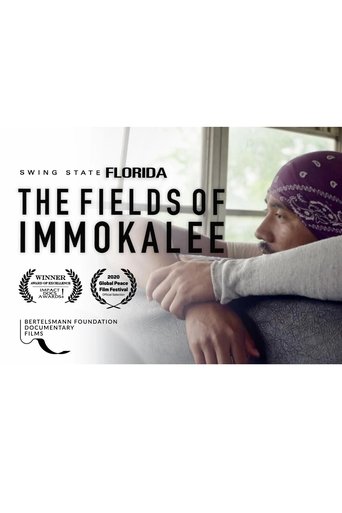
For decades, migrant workers have worked the fields of Immokalee, harvesting tomatoes, peppers, eggplants, oranges and other produce that is then shipped across the United States of America. Many of the workers are undocumented, and attempting to keep their jobs even as federal migration crackdowns hover over the town. The Fields of Immokalee film follows the daily lives of tomato workers, from the 5:00am trips to the parking lot in hopes of finding day labor, to work sessions in the scorching mid-day heat, to child detention centers for migrant youth that have been separated from their families. Via these vignettes, the film offers insight into the most volatile political issue of our time.
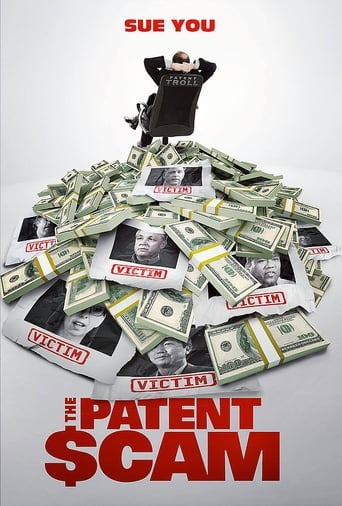
The corruption runs deeper than you'd ever imagine. A multi-billion dollar industry you've never heard of. This is the world Patent Trolls thrive in: A world created for them by our own U. S. Patent system. You can be sued for clicking on a hyperlink, using your own scanner, or sharing your Wi-Fi! It sounds insane, but the reality is even crazier. Patent Trolls look for obvious ideas, patent them, and then sue anyone they claim is infringing on their idea. People's lives and businesses are being destroyed.. and they have no way out. “The Patent Scam” exposes the underbelly of this system, and the people that commit this practice.
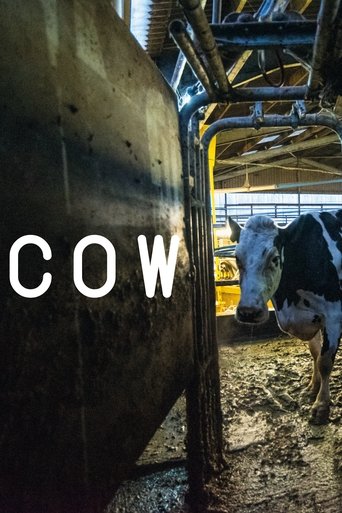
A close-up portrait of the daily lives of a pair of cows: told by way of some narrative-free, intimate POV photography, with plenty of close shot images, we follow the daily routine of these animals as they live what can only be described as mundane, boring lives - all with an ultimate purpose within the human food chain.
The people and their labor are bound to the land in the cycle of activities to the sowing to the harvesting of wheat. Without narration or subtitles, the film conveys a sense of unity between the people and the land. Filmed in the Balkh Province, an area inhabited by Tajik and other Central Asian peoples. The town of Aq Kupruk is approximately 320 miles northwest of Kabul. The theme of the film focuses on rural economics. The film and accompaning instructor notes focus on herding, and fishing under diverse environmental conditions. The impact of technological change, human adaptation, and governmental extension of market systems are parallel themes.
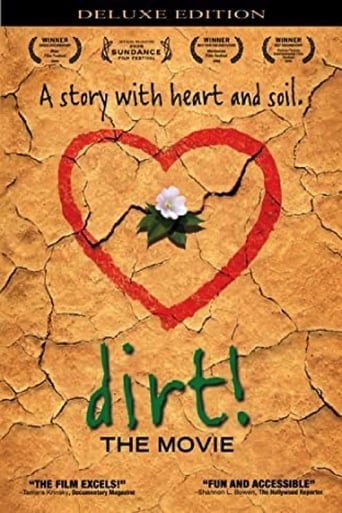
A look at man's relationship with Dirt. Dirt has given us food, shelter, fuel, medicine, ceramics, flowers, cosmetics and color --everything needed for our survival. For most of the last ten thousand years we humans understood our intimate bond with dirt and the rest of nature. We took care of the soils that took care of us. But, over time, we lost that connection. We turned dirt into something "dirty." In doing so, we transform the skin of the earth into a hellish and dangerous landscape for all life on earth. A millennial shift in consciousness about the environment offers a beacon of hope - and practical solutions.
A partnership between the Government of Mali and an American agricultural investor may see 200-square kilometers of Malian land transformed into a large-scale sugar cane plantation. Land Rush documents the hopes, fears, wishes, and demands of small-scale subsistence farmers in the region who look to benefit, or lose out, from the deal.