


Free Minu
Documentary
Overview
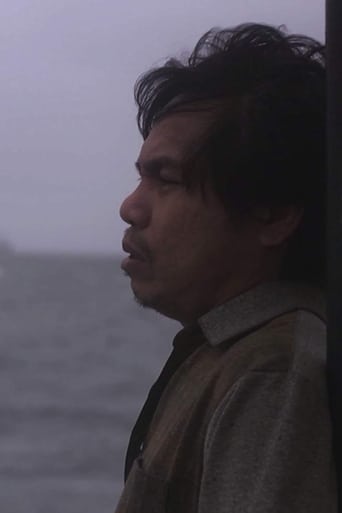
This film begins with a Nepalese person named Minu who sings “Tears of Mokpo”. He came to Korea for a living in this 20s and made the band “Stop Crackdown” known for expressing the lives of migrant laborers through song. But being an illegal alien, he is deported after 18 years.
Top Cast











minu
minu
미누
minu
미누
Soe Mo Thu
Soe Mo Thu
소모뚜
Soe Mo Thu
소모뚜
Soe Thi Ha
Soe Thi Ha
소띠하
Soe Thi Ha
소띠하
Myung-Hoon Song
Myung-Hoon Song
송명훈
Myung-Hoon Song
송명훈
Similar Movies
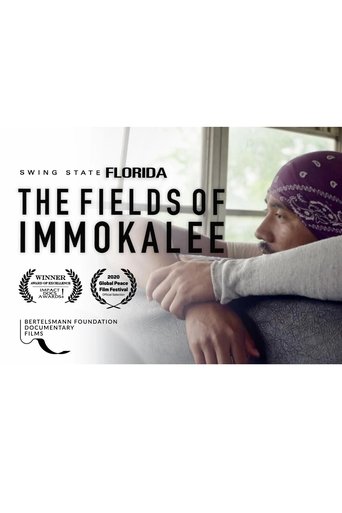
For decades, migrant workers have worked the fields of Immokalee, harvesting tomatoes, peppers, eggplants, oranges and other produce that is then shipped across the United States of America. Many of the workers are undocumented, and attempting to keep their jobs even as federal migration crackdowns hover over the town. The Fields of Immokalee film follows the daily lives of tomato workers, from the 5:00am trips to the parking lot in hopes of finding day labor, to work sessions in the scorching mid-day heat, to child detention centers for migrant youth that have been separated from their families. Via these vignettes, the film offers insight into the most volatile political issue of our time.

Reserved by Citroën for immigrant workers, the Aulnay-sous-Bois factory experienced its first strike in 1982. Thirty years later, it's the turn of a new generation to join the fight. Worthy heirs of their parents, the workers revive a forgotten memory and offer a unique perspective on the history of contemporary France. Matteo Severi's film mirrors these two social struggles, led by workers from immigrant backgrounds.
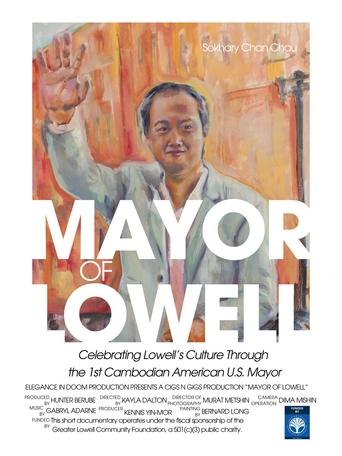
This short documentary chronicles the culture and arts of Cambodian Americans and the Lowell, MA community through the eyes of Sokhary Chau, the first Cambodian American Mayor in the United States. Chau immigrated to the U.S. at seven years old to escape the Khmer Rouge genocide. Through this unique story that showcases the best of Lowell—immigrant success, assimilation, history, and the development of the arts—we see a man born into a war-torn country who comes to America to be a first-in-the-nation leader.

Ali in Wonderland unveils the condition of immigrant workers in Paris in the 1970s. It is a cry of anger against exploitation and racism, uncompromisingly raising the role of the French state, the media, capitalism, and colonization in this system of domination that crushes those who suffer it. In this experimental essay on the condition of Algerian migrants in Giscard's France in the mid-1970s, every aesthetic choice has a precise and legible political motivation and gives body and voice to a figure completely absent from the experimental cinema of the time: that of the immigrant worker. Abouda is one of the children of immigrants seen in the film, and not a simple activist serving a cause, which is why the emotion of her experimental gesture, which she throws in the viewer's face, springs from a ferocity inscribed in her body, from an insatiable anger that inhabits her gaze.

On a Summer afternoon, Pedro packs the last few boxes before having to leave his apartment in New York. 12 years ago, Pedro and Ana had arrived in America from Portugal, in search of a dream. Now, Ana's voice describes, from the other side of the ocean, that same country to which they are returning. As the rooms are emptied, Pedro bids farewell to one life, welcoming another. But the dream that brought him will remain forever in the city that never sleeps, awaiting his return.

Parents and children are reunited after 13 years apart. This is the starting point of the film, which follows the process of affective reconstruction of director Marcos Yoshi's family, crossed by the flow of migrations between Brazil and Japan, known as the dekassegui phenomenon. The story of a family of Japanese descent torn between the need to make a living and the desire to stay together.
This feature length documentary tells the story of three Latino wine makers in California's Napa Valley. From their humble beginnings as immigrant laborers working the grape harvests in California, to their now formidable positions as wine makers and wine consultants, they are witnesses to the new era of the American dream. Journey from their homes in Mexico, to immigrants working the fields of Napa, to success in the highly competitive industry of wine making. It is not just the story of immigrants or wine makers, it is a story of the pursuit of a dream.