

We Are Not Our Parents
Documentary · History
Overview
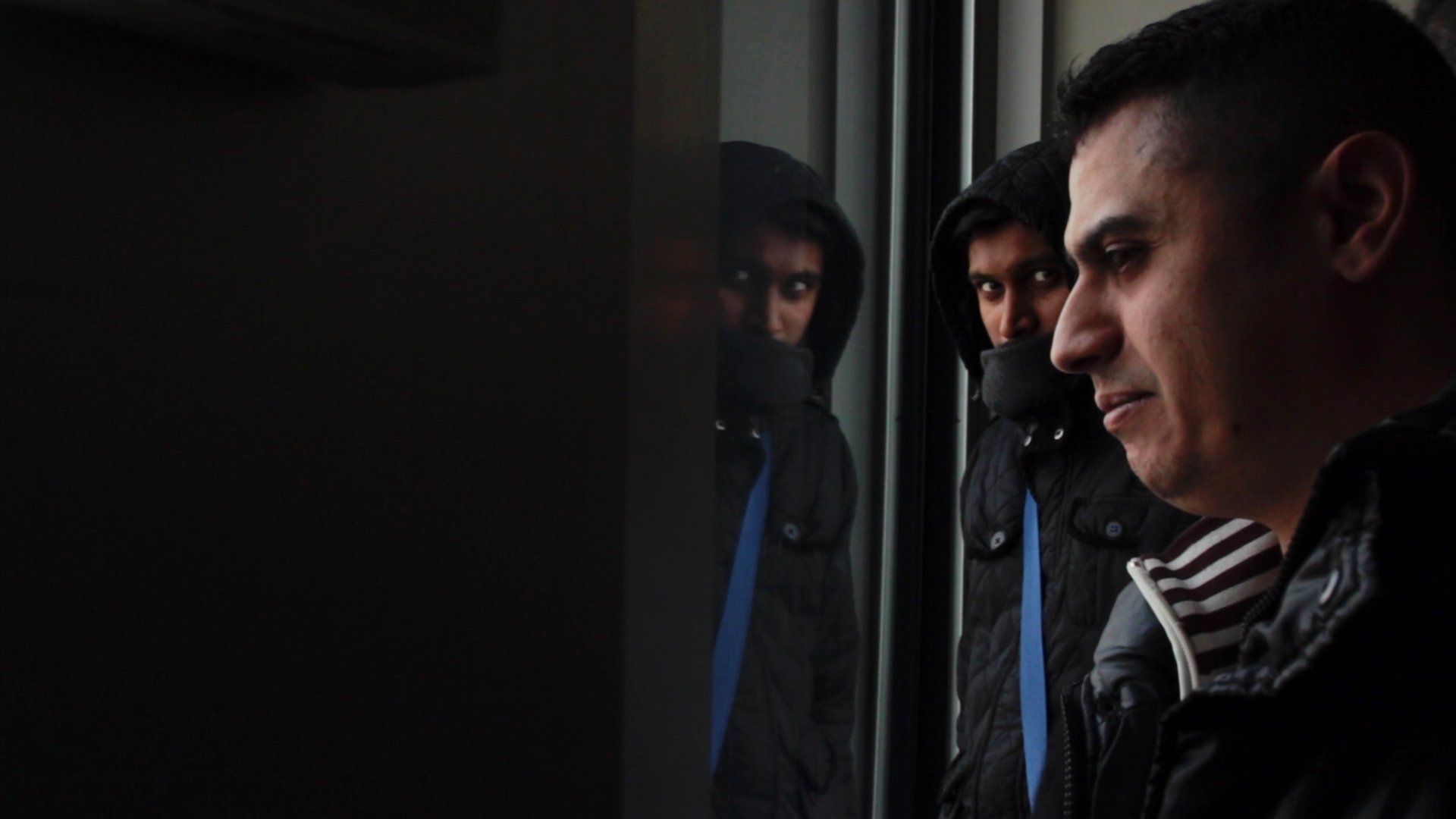
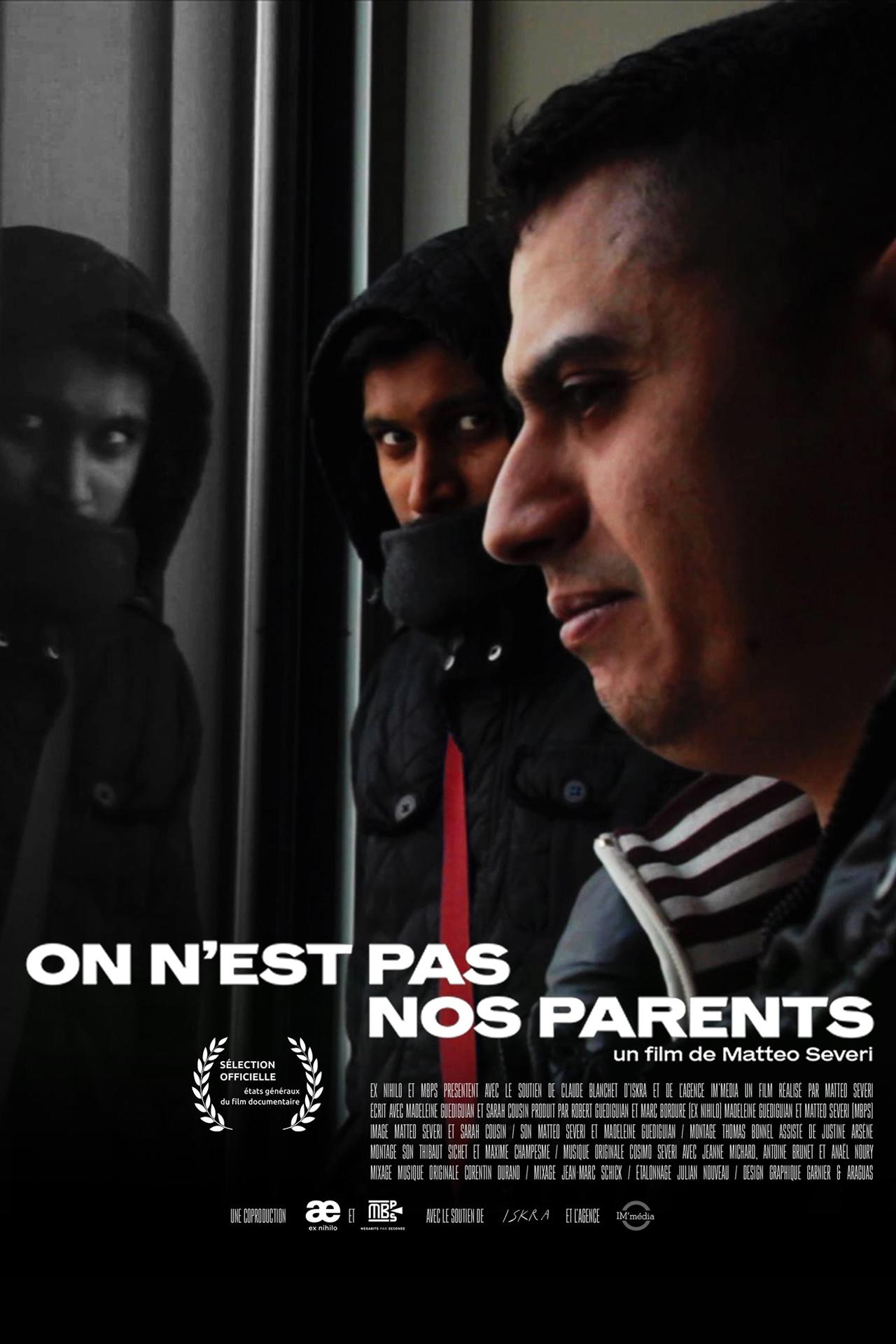
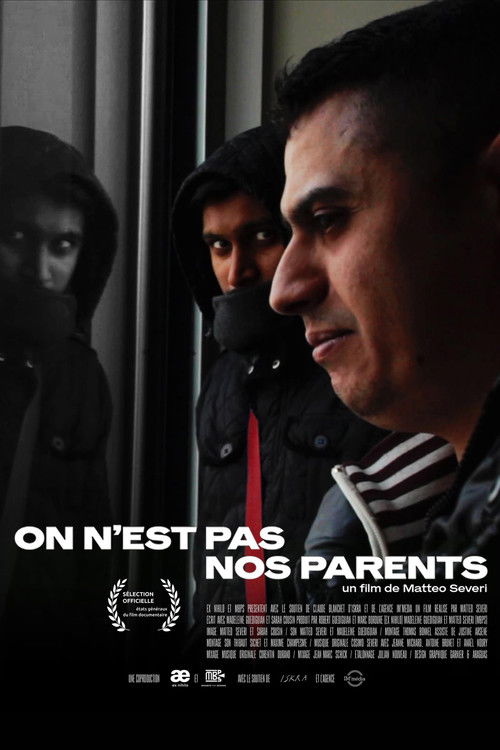
Reserved by Citroën for immigrant workers, the Aulnay-sous-Bois factory experienced its first strike in 1982. Thirty years later, it's the turn of a new generation to join the fight. Worthy heirs of their parents, the workers revive a forgotten memory and offer a unique perspective on the history of contemporary France. Matteo Severi's film mirrors these two social struggles, led by workers from immigrant backgrounds.


No cast information.
Similar Movies
Danton and Robespierre were close friends and fought together in the French Revolution, but by 1793 Robespierre was France's ruler, determined to wipe out opposition with a series of mass executions that became known as the Reign of Terror. Danton, well known as a spokesman of the people, had been living in relative solitude in the French countryside, but he returned to Paris to challenge Robespierre's violent rule and call for the people to demand their rights. Robespierre, however, could not accept such a challenge, even from a friend and colleague, and he blocked out a plan for the capture and execution of Danton and his allies.
A history of the French Revolution beginning from the decision of the king to convene the Etats-Generaux in 1789 in order to deal with France's debt problem. Part one spans the event until August 10, 1792 (when the King Louis XVI lost all authority and was imprisoned). Part two carries the story through the end of the terror in 1794.
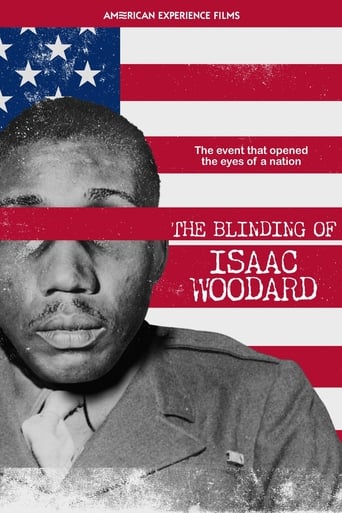
In 1946, Isaac Woodard, a Black army sergeant on his way home to South Carolina after serving in WWII, was pulled from a bus for arguing with the driver. The local chief of police savagely beat him, leaving him unconscious and permanently blind. The shocking incident made national headlines and, when the police chief was acquitted by an all-white jury, the blatant injustice would change the course of American history. Based on Richard Gergel’s book Unexampled Courage, the film details how the crime led to the racial awakening of President Harry Truman, who desegregated federal offices and the military two years later. The event also ultimately set the stage for the Supreme Court’s landmark 1954 Brown v. Board of Education decision, which finally outlawed segregation in public schools and jumpstarted the modern civil rights movement.
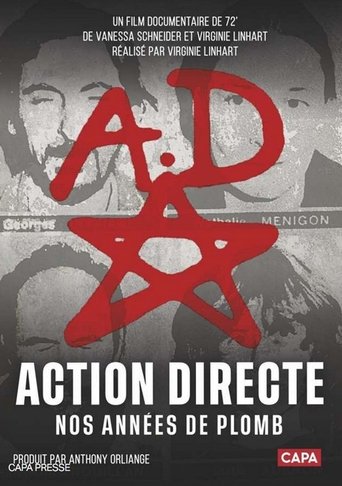
Between 1979 and 1987, a far-left group wreaked havoc across France. Robberies, bombings, assassinations. They struck hard and disappeared in a cloud of explosives, leaflets scattered in the wind, and relentless ideological demands. Their name? Action Directe. More than 80 attacks, 26 wounded, and 12 dead in less than ten years. Stunned French citizens discovered posters plastered everywhere showing portraits of these young women and men who looked like everyone else and whom nothing seemed to be able to stop. A long and intense manhunt began, culminating in the arrest of the group's leadership.
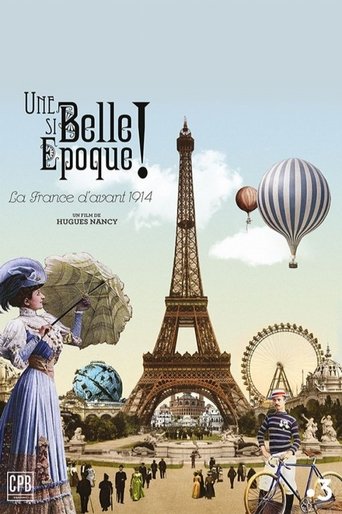
In 1900, the eyes of the whole world are on Paris. The World's Fair welcomed 50 million amazed visitors, and the city celebrated itself in a glamorous era. This period went down in history as the "Belle Époque." Elaborately restored and colorized historical photographs bring to life the exciting life in Paris between the end of the 19th century and the beginning of World War I in 1914. Bicycles, cars, airplanes, moving pictures, newly founded film studios, revolutionary composers and painters, avant-garde ballet performances, fashion houses, summer resorts on the Atlantic coast – life was intoxicating. People celebrate in the variety shows, cabarets, and revue theaters of Paris. Moulin Rouge, Folies Bergères, Bal Tabarin—in Paris, the nights are long and life is too short to sleep through. It is a dance on the volcano, given the political developments in the world.
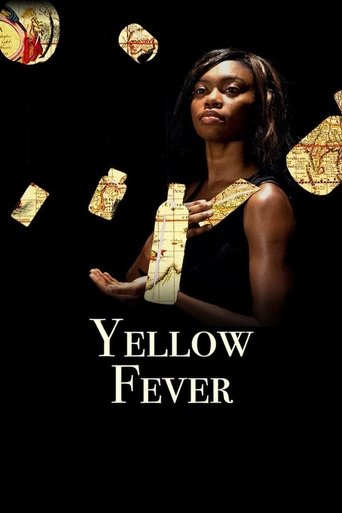
What does beauty look like? In this award-winning short, Kenyan filmmaker Ng’endo Mukii combines animation, performance, and experimental techniques to create a visually arresting and psychologically penetrating exploration of the insidious impact of Western beauty standards and media-created ideals on African women’s perceptions of themselves. From hair-straightening to skin-lightening, YELLOW FEVER unpacks the cultural and historical forces that have long made Black women uncomfortable, literally, in their own skin.