


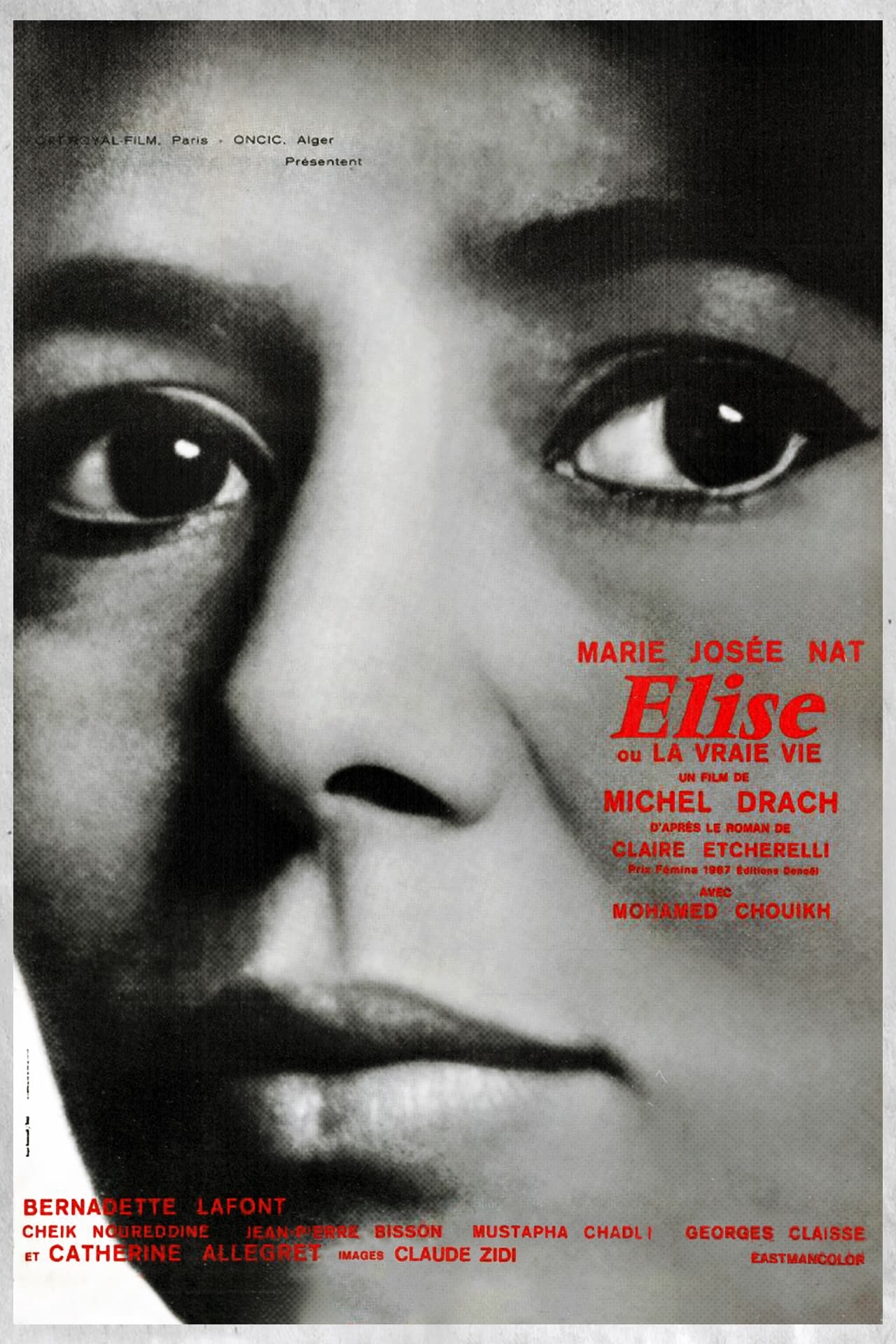
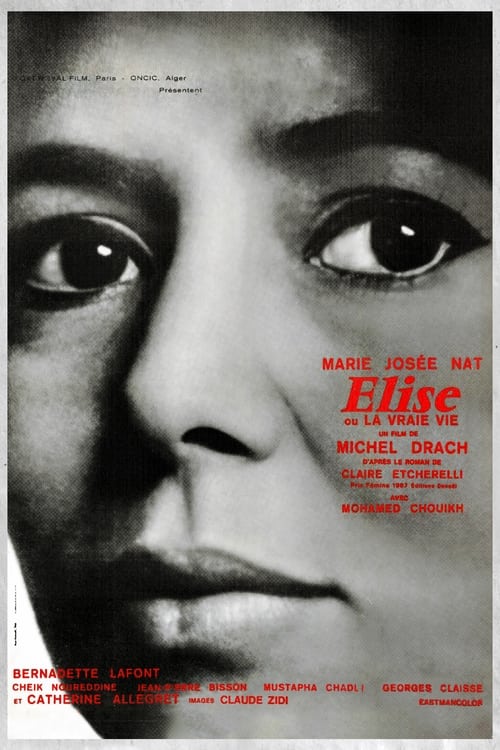
Elise, or Real Life
Drama
Overview
In the middle of the Algerian war, Elise, from Bordeaux, “goes” to Paris to join her brother to earn her living in an automobile factory. There she meets Arezki, an Algerian nationalist activist with whom she falls in love. A chronicle of working life at the time and which highlights the extent of police repression against Algerians.












Marie-José Nat
Marie-José Nat
Elise Le Tellier
Marie-José Nat
Elise Le Tellier
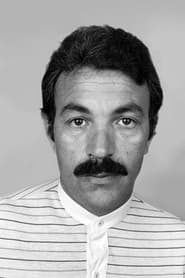
Mohamed Chouikh
Mohamed Chouikh
Arezki
Mohamed Chouikh
Arezki

Bernadette Lafont
Bernadette Lafont
Anna
Bernadette Lafont
Anna
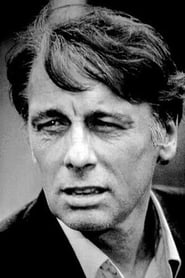
Jean-Pierre Bisson
Jean-Pierre Bisson
Lucien Le Tellier
Jean-Pierre Bisson
Lucien Le Tellier

Catherine Allégret
Catherine Allégret
Didi
Catherine Allégret
Didi
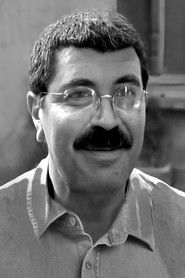
Mustapha Chadli
Mustapha Chadli
Mustapha
Mustapha Chadli
Mustapha
Alice Reichen
Alice Reichen
La grand-mère
Alice Reichen
La grand-mère

Martine Chevallier
Martine Chevallier
Marie-Louise
Martine Chevallier
Marie-Louise
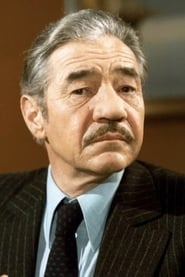
Jean-Pierre Darras
Jean-Pierre Darras
Le commissaire
Jean-Pierre Darras
Le commissaire

Yves Barsacq
Yves Barsacq
Un policier
Yves Barsacq
Un policier
Similar Movies
The country that gave the world football has since delivered a painful pattern of loss. Why can’t England’s men win at their own game? With the worst track record for penalties in the world, Gareth Southgate knows he needs to open his mind and face up to the years of hurt, to take team and country back to the promised land.
Based on the well-loved Australian classic by Mrs. Aeneas Gunn, this is the remarkable true story of Jeannie Gunn, a woman who fought to overcome sexual and racial prejudice amid the harsh beauties of the outback. Leaving her Melbourne existence for a new life on her husband's isolated ranch, Jeannie's feisty, good-natured attitude soon wins over the misogynistic stockmen, but she faces a much tougher challenge in trying to change their racist attitudes towards the indigenous aboriginal population.
After the Battle of Algiers, France and its army exported, as true experts, anti-subversive methods to Latin America and the United States in the 1960s. After more than a year of investigation in Argentina , in Chile, Brazil, the United States and France, the director collected, sometimes under the cover of a hidden camera, recorded conversations, the exclusive testimonies of the main protagonists. From General Aussaresses to former Minister of the Armed Forces Pierre Messmer, including General Reynaldo Bignone (head of the military junta in Argentina from 1982 to 1984), General Albano Harguindéguy, General Manuel Contreras, and Generals John Johns and Carl Bernard, this investigation gives us a hidden reality of the country of Human Rights.
Years after her Indian family was forced to flee their Uganda home, twentysomething Mina finds herself co-operating a motel in the faraway land of Mississippi. Her passionate romance with charming Black carpet cleaner Demetrius challenges the prejudices of their conservative families and exposes the rifts between the region's Indian and African-American communities.
Stockholm in the 1920s. Young Roland lives with his socialist father, Jewish mother and a boxing brother. His mother sells condoms illegally, and from them, Roland makes slingshots which he sells. His rebellious ways has gotten him the special attention of his school teacher, who always makes sure that Roland is punished. Roland also tries to make extra money by repairing bicycles, a successful business that in the end lands him in hot water.
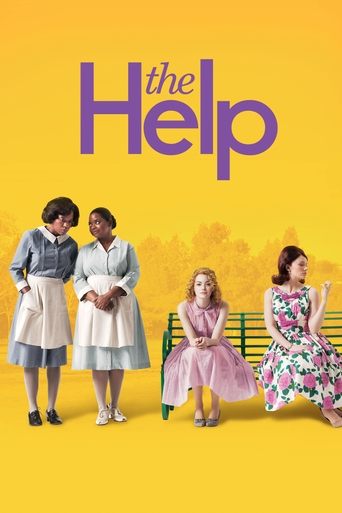
Aibileen Clark is a middle-aged African-American maid who has spent her life raising white children and has recently lost her only son; Minny Jackson is an African-American maid who has often offended her employers despite her family's struggles with money and her desperate need for jobs; and Eugenia "Skeeter" Phelan is a young white woman who has recently moved back home after graduating college to find out her childhood maid has mysteriously disappeared. These three stories intertwine to explain how life in Jackson, Mississippi revolves around "the help"; yet they are always kept at a certain distance because of racial lines.