

This Was the Time
Documentary
Overview
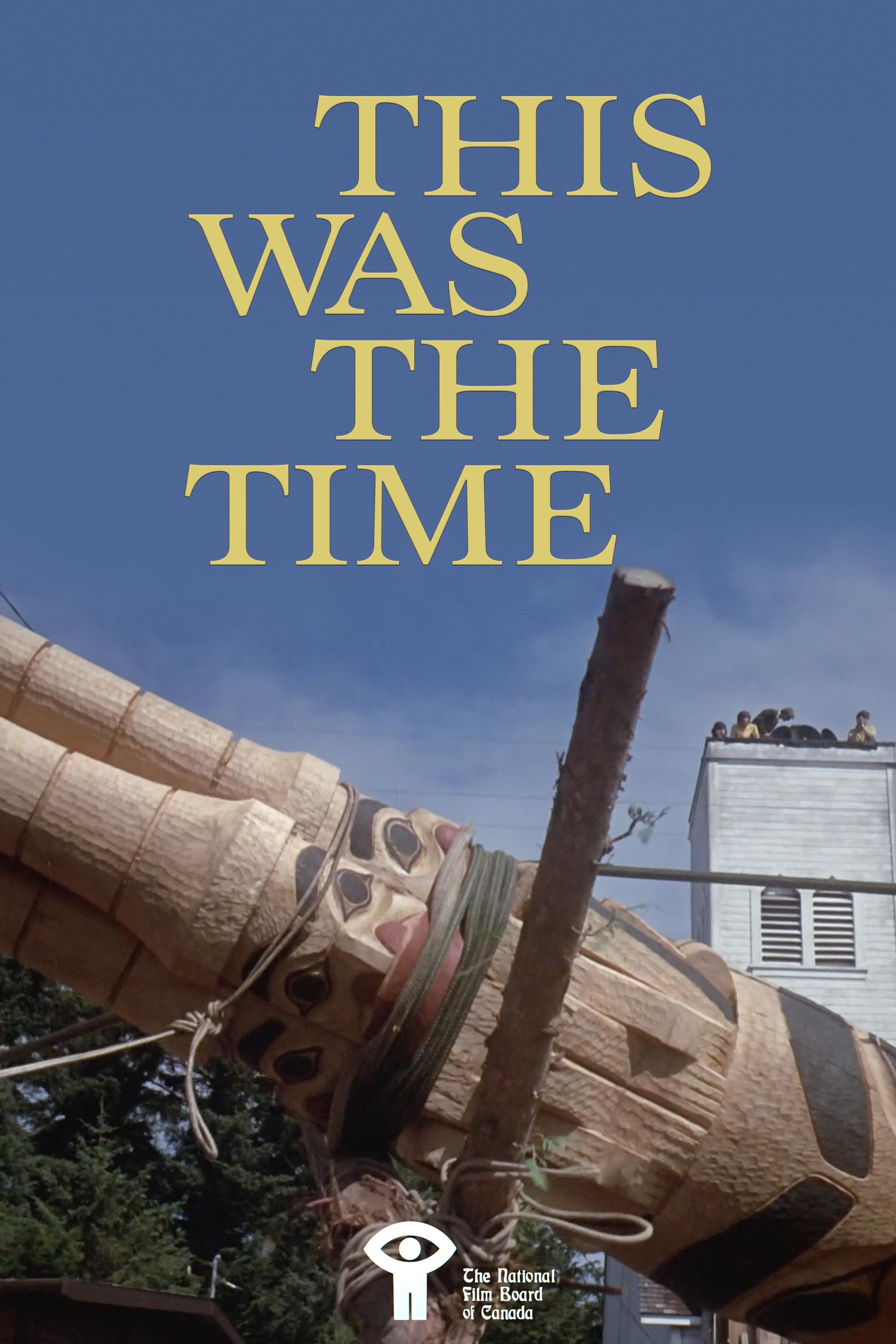
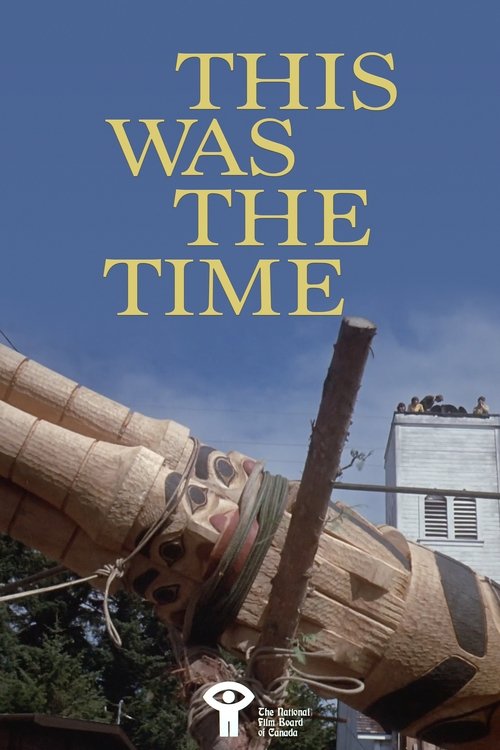
When Masset, a Haida village in Haida Gwaii (formerly known as the Queen Charlotte Islands), held a potlatch, it seemed as if the past grandeur of the people had returned. This is a colourful recreation of Indigenous life that faded more than two generations ago when the great totems were toppled by the missionaries and the costly potlatch was forbidden by law. The film shows how one village lived again the old glory, with singing, dancing, feasting, and the raising of a towering totem as a lasting reminder of what once was.
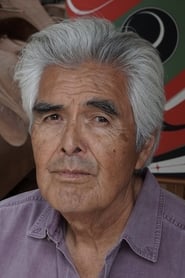
Robert Davidson
Robert Davidson
Self (uncredited)
Robert Davidson
Self (uncredited)
Reg Davidson
Reg Davidson
Self (uncredited)
Reg Davidson
Self (uncredited)
Robert Davidson Sr.
Robert Davidson Sr.
Self (uncredited)
Robert Davidson Sr.
Self (uncredited)

Florence Davidson
Florence Davidson
Self (uncredited)
Florence Davidson
Self (uncredited)
James Carney
James Carney
Narrator
James Carney
Narrator
Similar Movies
Presents the history of the conflict between the Canadian government and the Kwakiutl Indians of the Northwest Pacific over the ritual of the Potlatch. Archival photographs and films, wax roll sound recordings, police reports, the original potlatch files, and correspondence of agents form the basis of the reconstruction of period events, while the film centres on a Potlatch given today by the Cranmer family of Alert Bay.
Follow filmmaker Elle-Máijá Tailfeathers as she creates an intimate portrait of her community and the impacts of the substance use and overdose epidemic. Witness the change brought by community members with substance-use disorder, first responders and medical professionals as they strive for harm reduction in the Kainai First Nation.
The people of Unamenshipu (La Romaine), an Innu community in the Côte-Nord region of Quebec, are seen but not heard in this richly detailed documentary about the rituals surrounding an Innu caribou hunt. Released in 1960, it’s one of 13 titles in Au Pays de Neufve-France, a series of poetic documentary shorts about life along the St. Lawrence River. Off-camera narration, written by Pierre Perrault, frames the Innu participants through an ethnographic lens. Co-directed by René Bonnière and Perrault, a founding figure of Quebec’s direct cinema movement.
Contrasting ancient myth and modern reality, this short documentary examines the legendary relationship between West Coast Indigenous people and salmon, once their staple food. In the mythical realm, we learn how Raven finds riches in the harvest of the salmon, only to lose everything through a thoughtless act against the Spirit of the Salmon. So too does modern man jeopardize his living from the sea by heedless action. Images of ancient spear-fishing and smoke-houses contrast with images of today's Indigenous people operating a seiner and working in a cooperative cannery.
Gurdeep is a thirteen-year-old Canadian Sikh whose family runs a dairy farm near Chilliwack, British Columbia. They have retained their language and religion. Attendance at the Sikh temple, playing soccer with his schoolmates, and working on the farm are all part of Gurdeep's well-integrated life, but sometimes he feels a little different from the other children because he wears a turban. This film is part of the Children of Canada series.
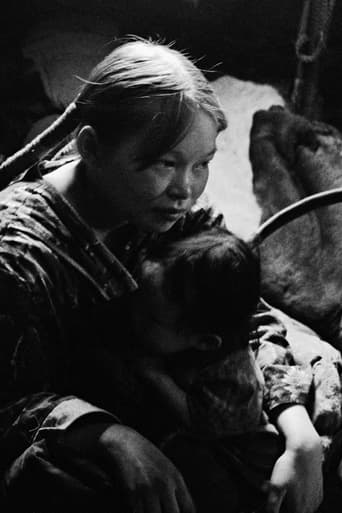
Nedarma (Travelling) is one of several documentary features co-directed by Anastasia Lapsui and Markku Lehmuskallio that portray the daily lives of the Nenets, Lapsui’s tribe based in the northern tundra of Siberia. The film invokes Nenets cosmology as a way of leading into a filmic structure that portrays the arc of life from birth to death.