

Memories of Earth
Documentary
Overview
Set against the unforgettable beauty of Haida Gwaii (formerly known as the Queen Charlotte Islands), Memories of Earth takes viewers on a journey guided by traces of the past. The film records the meeting of two artistic worlds: that of the Haida, an indigenous people whose cultural life and mythology bespeak their belief in a tangible link between the real and the imaginary, and that of Frédéric Back, a master of animated film and committed humanist, whose works is an appeal to respect all things created. Through the magic of animation, the documentary casts fresh light on the legends and spirituality of the Haida.


Vlasta Vrana
Vlasta Vrana
Self - Narrator
Vlasta Vrana
Self - Narrator

Jim Hart
Jim Hart
Self
Jim Hart
Self
Gidansda Guujaaw
Gidansda Guujaaw
Self
Gidansda Guujaaw
Self
Mabel P. Williams
Mabel P. Williams
Self
Mabel P. Williams
Self
Similar Movies
In the late 1990s, some officers at Vancouver Police Department made a documentary film (THROUGH A BLUE LENS) about the everyday lives of six drug addicts in Vancouver's skid row, the Downtown Eastside. TEARS FOR APRIL reintroduces us to these six people; with footage shot over a period of nearly ten years, it continues their biography.
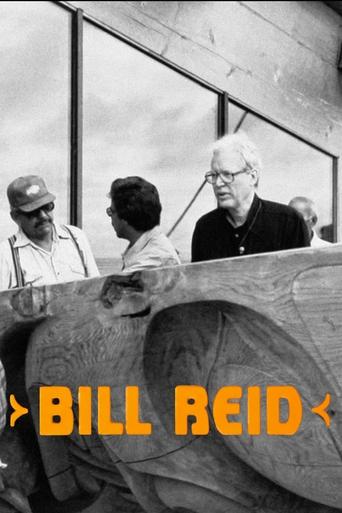
Follows Haida artist Bill Reid, from British Columbia. A jeweller and wood carver, he works on a traditional Haida totem pole. We watch the gradual transformation of a bare cedar trunk into a richly carved pole to stand on the shores of the town of Skidegate, in the Queen Charlotte Islands of B.C.
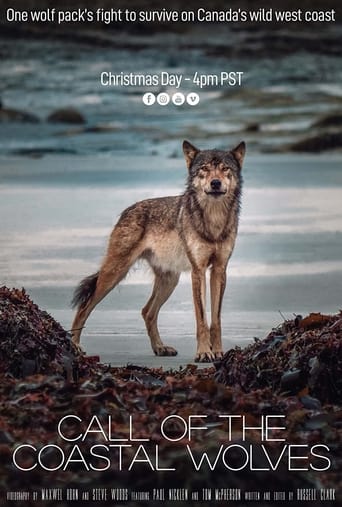
Some of the most secluded beaches of British Columbia are home to a unique wolf species that has evolved to gather their sustenance from both land and sea. Call of the Coastal Wolves follows a group of filmmakers over a two week expedition as they endeavour to film the elusive wolf. This short film asks us to reflect on our impacts to the natural world as we witness these compassionate, loving animals that deserve more attention and respect.
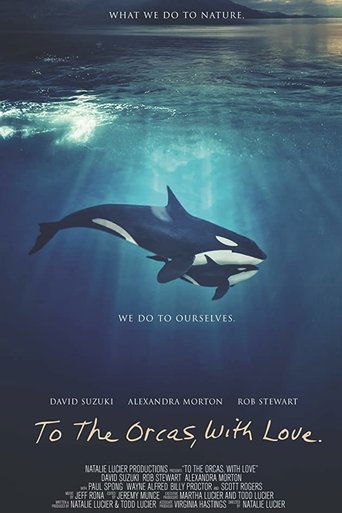
Stories of personal connections with orcas, beautiful cinematography featuring B.C’s resident orcas, and an evocative soundscape composed by Jeff Rona and Ben MacDougall provide an uplifting contrast to the environmental challenges we face. Inspired by elders including environmentalist and CBC Broadcaster, David Suzuki, whale researchers Alexandra Morton and Paul Spong, totem carver Wayne Alfred, and lifelong resident of the Broughton archipelago Billy Proctor, this film is anchored by Rob Stewart’s invitation to rise up and create the world we dream for ourselves. Viewers will come to understand the importance of the personal choices we make; it becomes clear that what we do to nature, we do to ourselves.
Gurdeep is a thirteen-year-old Canadian Sikh whose family runs a dairy farm near Chilliwack, British Columbia. They have retained their language and religion. Attendance at the Sikh temple, playing soccer with his schoolmates, and working on the farm are all part of Gurdeep's well-integrated life, but sometimes he feels a little different from the other children because he wears a turban. This film is part of the Children of Canada series.
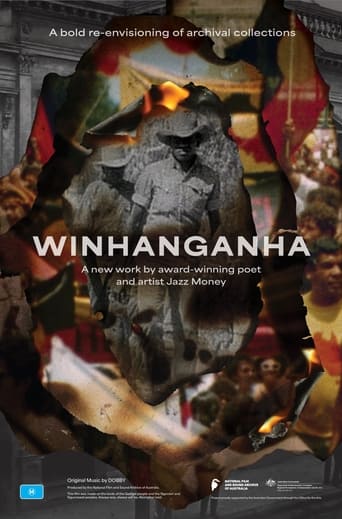
WINHANGANHA (Wiradjuri language: Remember, know, think) - is a lyrical journey of archival footage and sound, poetry and original composition. It is an examination of how archives and the legacies of collection affect First Nations people and wider Australia, told through the lens of acclaimed Wiradjuri artist, Jazz Money.
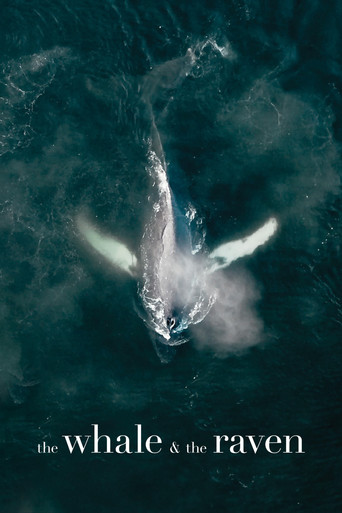
Director Mirjam Leuze’s The Whale and The Raven illuminates the many issues that have drawn whale researchers, the Gitga’at First Nation, and the Government of British Columbia into a complex conflict. As the people in the Great Bear Rainforest struggle to protect their territory against the pressure and promise of the gas industry, caught in between are the countless beings that call this place home.
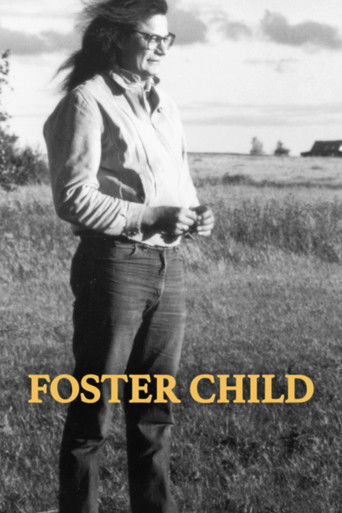
Gil Cardinal searches for his natural family and an understanding of the circumstances that led to his becoming a foster child. An important figure in the history of Canadian Indigenous filmmaking, Gil Cardinal was born to a Métis mother but raised by a non-Indigenous foster family, and with this auto-biographical documentary he charts his efforts to find his biological mother and to understand why he was removed from her. Considered a milestone in documentary cinema, it addressed the country’s internal colonialism in a profoundly personal manner, winning a Special Jury Prize at Banff and multiple international awards.