

Also People
History · War
Overview
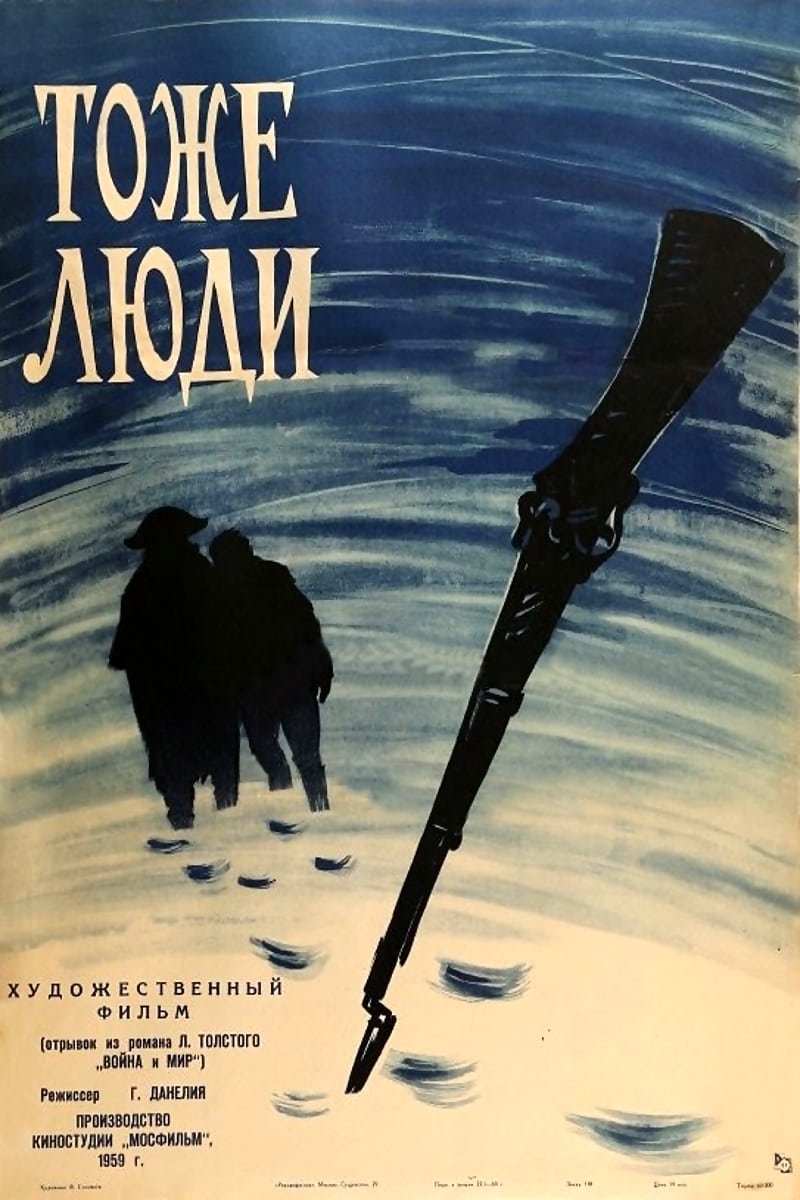
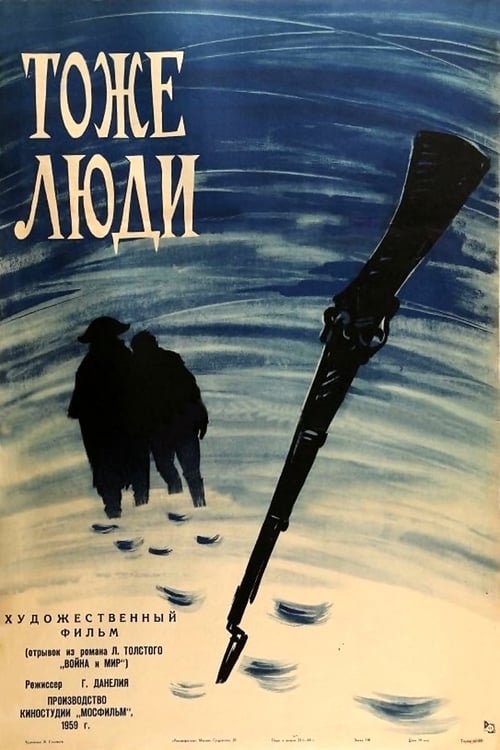
Based on an excerpt from the novel by L.N.Tolstoy "War and Peace." The war of 1812. The defeated Napoleonic army is retreating. Three Russian soldiers settled in a snowy forest near a fire: a young (Zaletayev), an elderly and a middle-aged one. Zaletayev fantasizes — as if he had captured Napoleon. The soldiers laugh good-naturedly at him. After dinner, they fall asleep... Two Frenchmen go to the clearing — an officer and a soldier. Russian soldiers wake up and, seeing that the officer is barely standing on his feet from cold and hunger, take him to the colonel. The French soldier sits down to the fire. The Russians give him porridge and vodka. The soldier, encouraged, sings a french song. Zaletayev echoes him. A tired Frenchman falls asleep on Zaletayev’s shoulder. The soldiers carefully shelter him. “Also people,” an elderly soldier says with a sigh.







Lev Durov
Lev Durov
Zaletayev
Lev Durov
Zaletayev

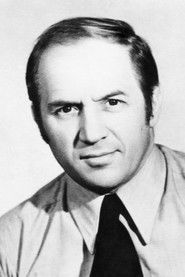
Manos Zacharias
Manos Zacharias
French Army officer
Manos Zacharias
French Army officer

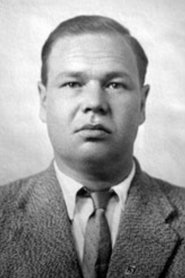
Vsevolod Sanayev
Vsevolod Sanayev
Old soldier
Vsevolod Sanayev
Old soldier
Yevgeni Kudryashov
Yevgeni Kudryashov
Middle-aged soldier
Yevgeni Kudryashov
Middle-aged soldier

Vladimir Ferapontov
Vladimir Ferapontov
French soldier
Vladimir Ferapontov
French soldier

Georgi Millyar
Georgi Millyar
French soldier (voice)
Georgi Millyar
French soldier (voice)
Similar Movies
"In 1904, disgusted by the aftermath of the Spanish-American War and the subsequent Philippine-American War, Mark Twain wrote a short anti-war prose poem called "The War Prayer." His family begged him not to publish it, his friends advised him to bury it, and his publisher rejected it, thinking it too inflammatory for the times. Twain agreed, but instructed that it be published after his death, saying famously: None but the dead are permitted to tell the truth."
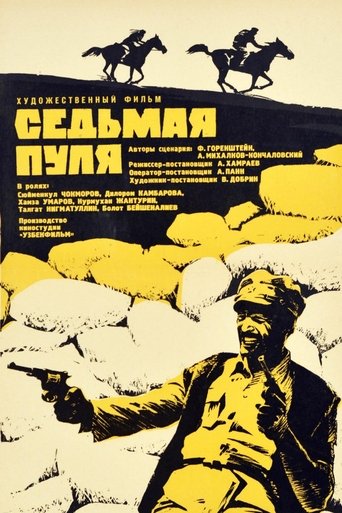
Despite the restoration of Soviet power in the area, Basmachis continue to arrive from across the border, bringing death and destruction to peaceful villages. One of the bands of rebels is led by Khairulla who is pitted against the militsiya (local militia) leader Maxumov. At first it seems hopeless for Maxumov as the rebels capture most of his men, winning them over to his side. He has only one strategy left; to give himself up, and try to explain to the people that Khairulla has deceived them, turning the soldiers back to revolution. Later in pursuit of his enemy, he chases Khairulla across a river. He has only one bullet left -- the seventh, and he must not miss his target!
1944, Japan. One of the kamikazes, by misfortune, survives. When he jumps with a parachute, he lands in Nardaran — right in the house of Gulbala, who is nicknamed “the Japanese.” When the representative of the State Security Committee learns of this unusual incident, he intervenes, saying: “This matter is under Stalin’s control; we must keep the Japanese alive,” and begins the operation. From then on, the funny stories continue.
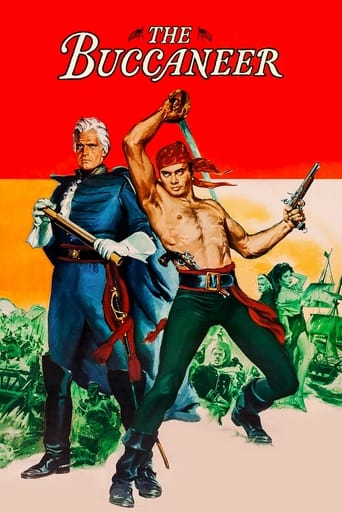
During the War of 1812 against Britain: General Andrew Jackson has only 1,200 men left to defend New Orleans when he learns that a British fleet will arrive with 60 ships and 16,000 men to take the city. In this situation an island near the city becomes strategically important to both parties, but it's inhabited by the last big buccaneer: Jean Lafitte. Although Lafitte never attacks American ships, the governor hates him for selling merchandise without taxes - and is loved by the citizens for the same reason. When the big fight gets nearer, Lafitte is drawn between the fronts. His heart belongs to America, but his people urge him to join the party that's more likely to win.
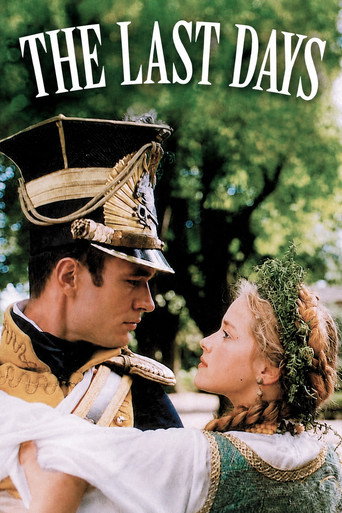
Romance brings two warring families together in this historical drama. As citizens fight for independence in 1810s Lithuania, Tadeusz, the son of a murderer, and Zosia, a young woman, come together for a wedding against a backdrop of changing politics, ancient traditions, and the uncertain future of a country.

On the London Underground, a young man relives past traumas as he endures the sensory overload of rush hour, only to look up and see a young woman at the end of the carriage going through the same PTSD symptoms. Their recognition of each other's condition allows them a moment of peace before the train jolts them back into reality and she disappears at the next platform.
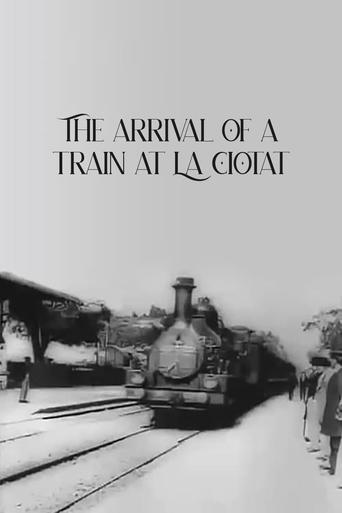
A group of people are standing along the platform of a railway station in La Ciotat, waiting for a train. One is seen coming, at some distance, and eventually stops at the platform. Doors of the railway-cars open and attendants help passengers off and on. Popular legend has it that, when this film was shown, the first-night audience fled the café in terror, fearing being run over by the "approaching" train. This legend has since been identified as promotional embellishment, though there is evidence to suggest that people were astounded at the capabilities of the Lumières' cinématographe.