

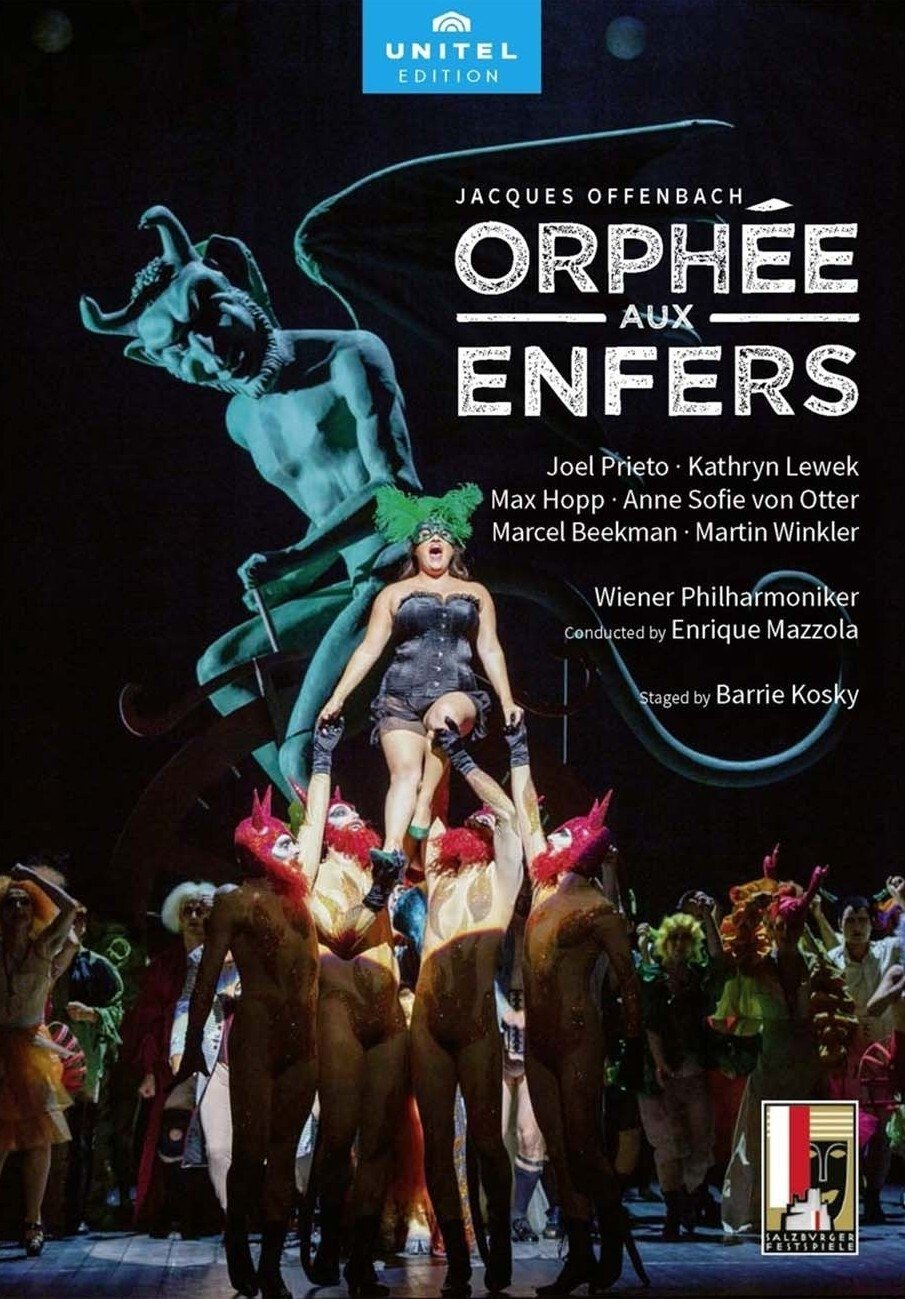
Orphée aux Enfers - Salzburger Festspiele 2019
Music · TV Movie · Comedy
Overview
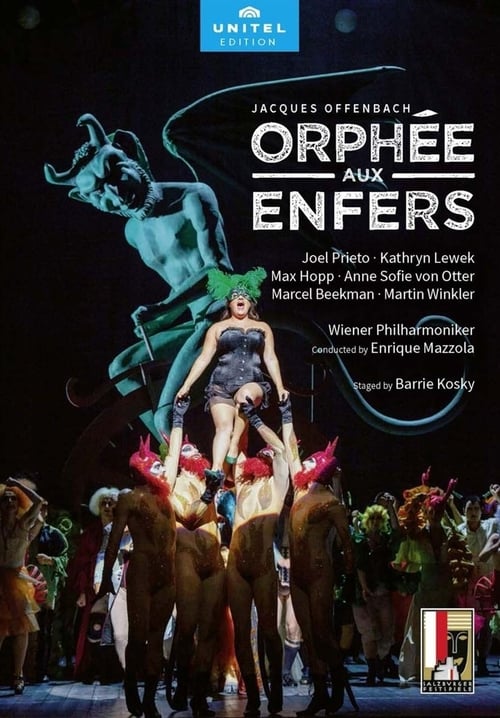
Offenbach’s mockery of bourgeois ideals, the sublimity of music and the institution of marriage ensures that the moralistic sermonizing of ‘Public Opinion’ falls on deaf ears. The mysterious figure of John Styx tells the story of behind-the-times Orpheus and his hacked-off Eurydice, of gods and goddesses seeking diversion, jaded with humdrum life in Olympus. He tells of the rebellion in the pantheon, which Jupiter adeptly averts by promising an amusement for his entourage. Burning with curiosity to see the beauteous captive and the contest between Jupiter and Pluto for Eurydice’s favour, the illustrious company embarks on an infernal ride to the underworld that culminates in what is surely the most wellknown can-can in the history of music. And what of Eurydice? She ends up putting a spoke in everyone’s wheel…

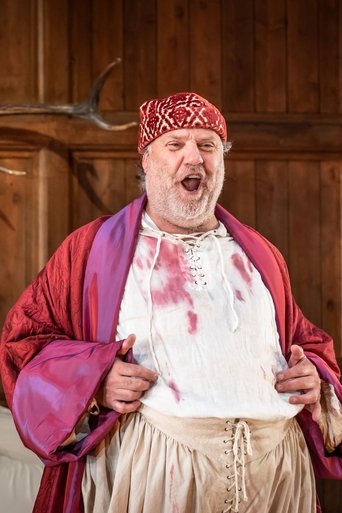




Anne Sofie von Otter
Anne Sofie von Otter
L’Opinion publique
Anne Sofie von Otter
L’Opinion publique

Max Hopp
Max Hopp
John Styx
Max Hopp
John Styx
Kathryn Lewek
Kathryn Lewek
Eurydice
Kathryn Lewek
Eurydice
Joel Prieto
Joel Prieto
Orphée
Joel Prieto
Orphée
Marcel Beekman
Marcel Beekman
Aristée / Pluton
Marcel Beekman
Aristée / Pluton
Nadine Weissmann
Nadine Weissmann
Cupidon
Nadine Weissmann
Cupidon
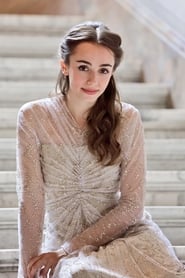
Lea Desandre
Lea Desandre
Vénus
Lea Desandre
Vénus
Martin Winkler
Martin Winkler
Jupiter
Martin Winkler
Jupiter

Frances Pappas
Frances Pappas
Junon
Frances Pappas
Junon
Rafał Pawnuk
Rafał Pawnuk
Mars
Rafał Pawnuk
Mars
Similar Movies
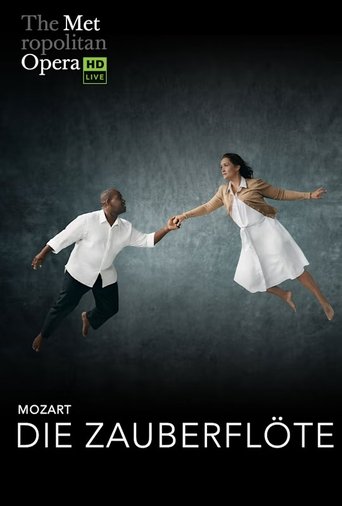
The Queen of the Night enlists a handsome prince named Tamino to rescue her beautiful kidnapped daughter, Princess Pamina. Aided by the lovelorn bird hunter Papageno and a magical flute that holds the power to change the hearts of men, young Tamino embarks on a quest for true love, leading to the evil Sarastro's temple where Pamina is held captive.
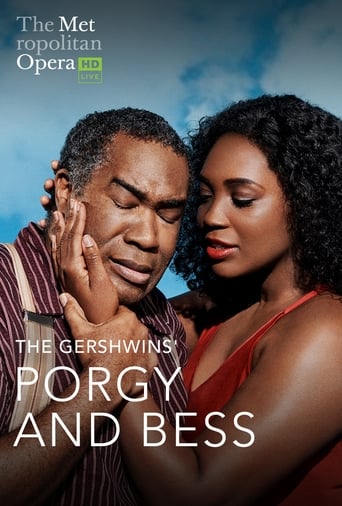
The Gershwins’ modern American masterpiece has its first Met performances in almost three decades, starring bass-baritone Eric Owens and soprano Angel Blue in the title roles. Director James Robinson’s stylish production transports audiences to Catfish Row, a setting vibrant with the music, dancing, emotion, and heartbreak of its inhabitants.
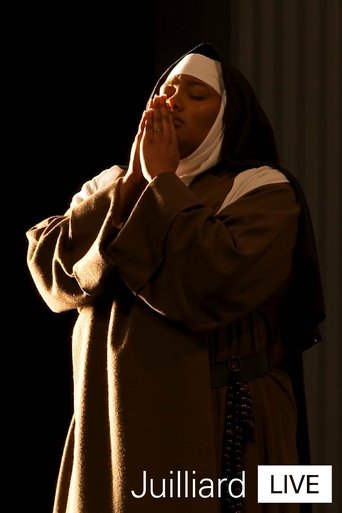
“In a world that often demands certainty, Dialogues des Carmélites invites us to sit with profound questions that have no easy answers: What makes a life worthy? How can we be truly prepared for our inevitable end? What does security mean when everything familiar is threatened? What sustains us when our institutions crumble? … Rather than imposing answers, the opera creates room for reflection on how faith manifests not as abstract doctrine, but as lived experience under extraordinary pressure.” — Louisa Muller, Director’s Note. Juilliard Opera directed by Louisa Muller. Matthew Aucoin conducts the Juilliard Orchestra. Performed and recorded on April 26, 2025 at the Peter Jay Sharp Theater. Dialogues des Carmélites, an opera by Francis Poulenc. Libretto adapted by the composer.
Opera in three acts, a prologue and an epilogue, by Jacques Offenbach (1819-1880), with a libretto in French by Jules Barbier (1825-1901), based on a work that Barbier himself and Michel Carré (1821-1872) had written based on stories by E.T.A. Hoffmann (1776-1822). Approximate duration: 2 h 45 min Recommended for those over 15 years old. The young poet Hoffmann, accompanied by Nicklausse, his alter ego and confidant, is in a tavern next to the theatre where Mozart's Don Giovanni is being performed. During the opera's intermission, some diners arrive at the bar who, upon seeing the poet, encourage him to sing and tell them the story of his famous love affairs. Hoffmann finally gives in and shares with them the stories of Olympia, Antonia and Giulietta. They, absorbed in the poet's stories, remain in the tavern, forgetting about the opera performance.
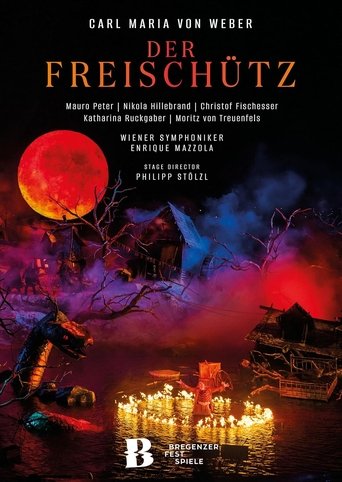
A godforsaken village in Germany shortly after the Thirty Years’ War: The young scrivener Max loves Agathe, daughter of the head forester Kuno. But to marry her, the inexperienced marksman Max must participate in an archaic tradition and score in a shooting trial – an unfulfillable challenge for him. The dubious war veteran Kaspar knows about this. He convinces the scrivener to meet him at Wolf’s Glen at midnight to forge “free bullets” that never miss their target. Max, who does not see any other way out of his unfortunate situation, sells his soul to the devil. Not knowing about the catch behind this deal: while six of the cursed bullets will hit the desired target, the seventh lies in the devil’s hands.
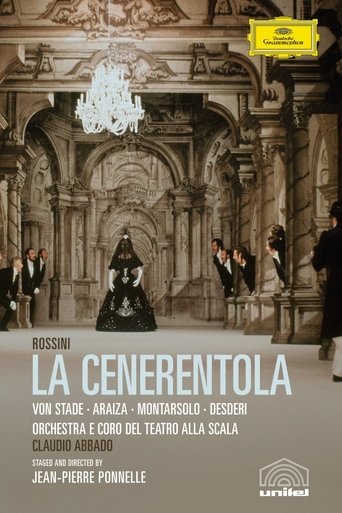
The Prince, Don Ramiro (who has changed places with his valet, Dandini), meets Cenerentola and they are instantly attracted to each other. When the Philosopher, Alidoro, later takes Cenerentola (dressed in magnificent clothing) to the palace, Dandini (still posing as the prince) tries to talk of love to her, but Cenerentola rejects him, saying that she is in love with his 'valet'. Ramiro, who has overheard this comment, is overjoyed, and immediately proposes to her, but Cenerentola says that he must first seek her out and then, if he still felt the same way, she would marry him. She gives him one of a matching pairs of bracelets, telling him to look for its companion on her right arm (she then leaves the palace). Ramiro ends the masquerade, and he and Dandini resume their true identities. The Prince then sets out on his quest - little realising that destiny, in the form of a violent thunderstorm, is about to take a hand in the affair.
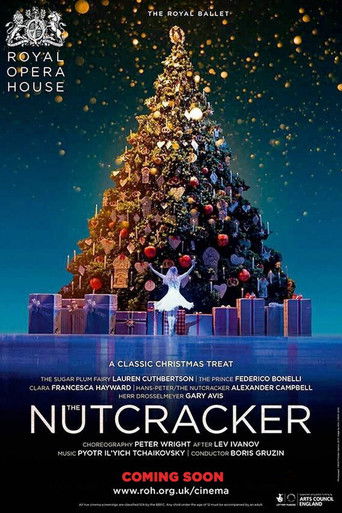
Clara is given an enchanted Nutcracker doll on Christmas Eve. As midnight strikes, she creeps downstairs to find a magical adventure awaiting her and her Nutcracker. The magician Drosselmeyer transforms the drawing room into a battle between mice and toy soldiers. During the battle, Clara saves the Nutcracker’s life – so breaking a magical spell that turned him from a boy to a toy – and the Mouse King is defeated. In celebration, Drosselmeyer sweeps Clara and the Nutcracker off to the Kingdom of Sweets, where they meet the Sugar Plum Fairy and take part in a wonderful display of dances. The next morning, Clara’s adventures seem to have been more than just a dream.
As the saying goes, “Shakespeare invented him, Verdi made him immortal” – and, surely, it was Bryn Terfel who defined him. Terfel first sung Falstaff in 1999, and in 2021, the bass-baritone superstar returns once more to the role at Grange Park Opera. In a production by Stephen Medcalf first shown in the 17th century Farnese theatre in Parma in 2011 with designs that are truly Falstaffian including sensational backcloths by Italian supremo Rinaldo Rinaldi.
Screen adapatation of Mozart's greatest opera. Don Giovanni, the infamous womanizer, makes one conquest after another until the ghost of Donna Anna's father, the Commendatore, (whom Giovanni killed) makes his appearance. He offers Giovanni one last chance to repent for his multitudinious improprieties. He will not change his ways So, he is sucked down into hell by evil spirits. High drama, hysterical comedy, magnificent music!
"Despite the multitude of characters and situations, the plot is simple: the eternal flow of life. It is based on Les contes fantastiques d’Hoffmann, a play by Jules Barbier and Michel Carré, who were inspired by some of the stories of the German E.T.A. Hoffmann. On a drunken night in the city, Hoffmann tells how he courted and lost three girls, his impossible loves: Olympia, a mechanical doll that only he believes to be truly human; Giulietta, the courtesan who steals his reflection in a mirror; and Antonia, a young woman who sings until she literally dies." Venue & Opera Company: Teatro Regio di Parma Recorded: 1988 Singers: Alredo Kraus, Ruth Welting, Jonathan Omilian, Barbara Hendricks, Elena Zilio, Nicola Gjiuselev, Bruno Buulgarelli, Francis Egerton, Aldo Bottion Orchestra: Orchestra Sinfonica dell'Emilia-Romagna "Arturo Toscanini" Chorus: Coro del Teatro Regio di Parma Chorus Master: Adolfo Tanhzi Stage Director: Beppe de Tomasi