

Don Carlo
Music
Overview
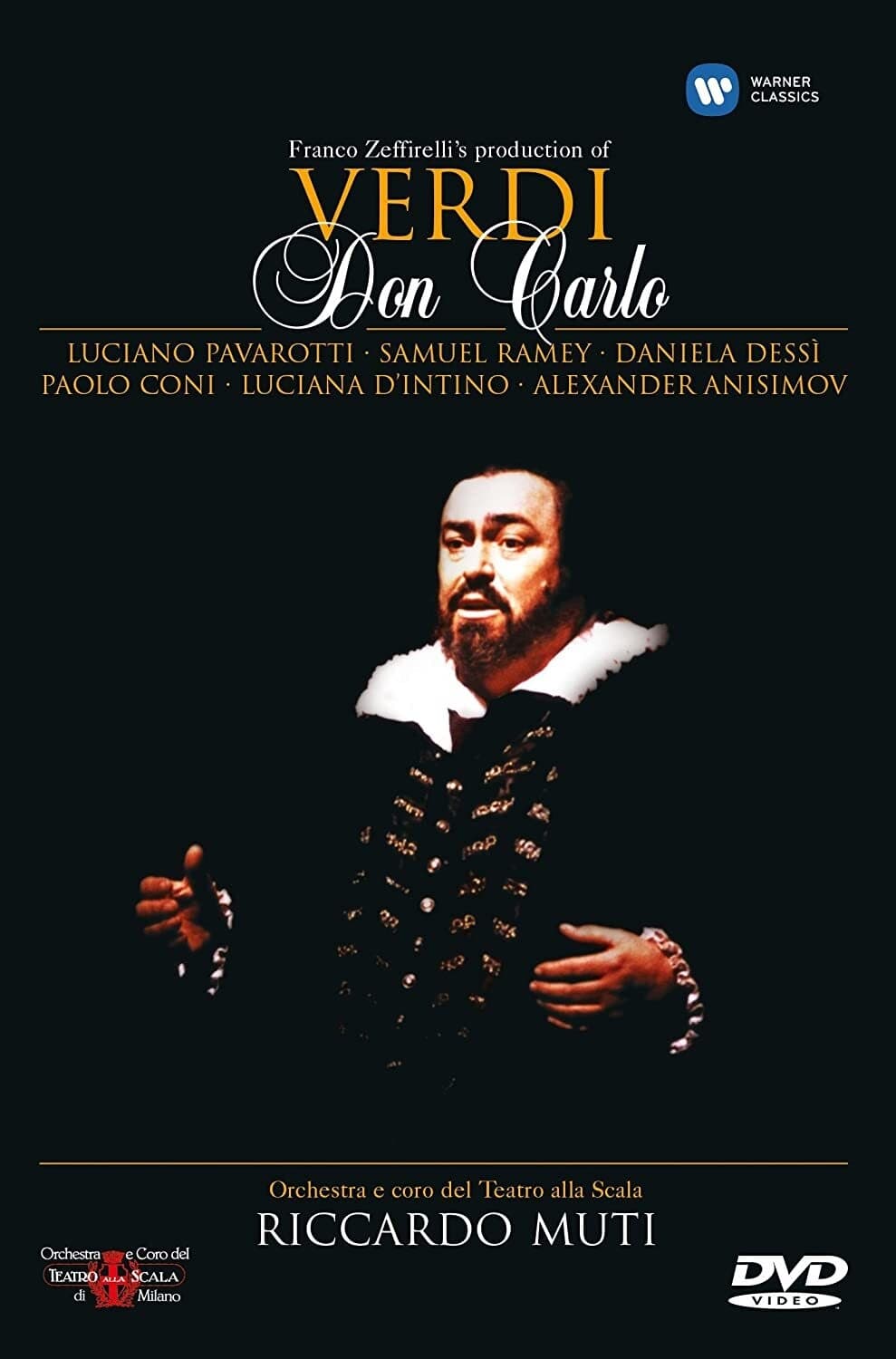
This opera was filmed live at La Scala in 1992. The all-star cast includes Luciano Pavarotti, Samuel Ramey, aolo Coni, Daniela Dessi, Luciana d'Intio, and Alexander Anismov. Riccardo Muti conducts.



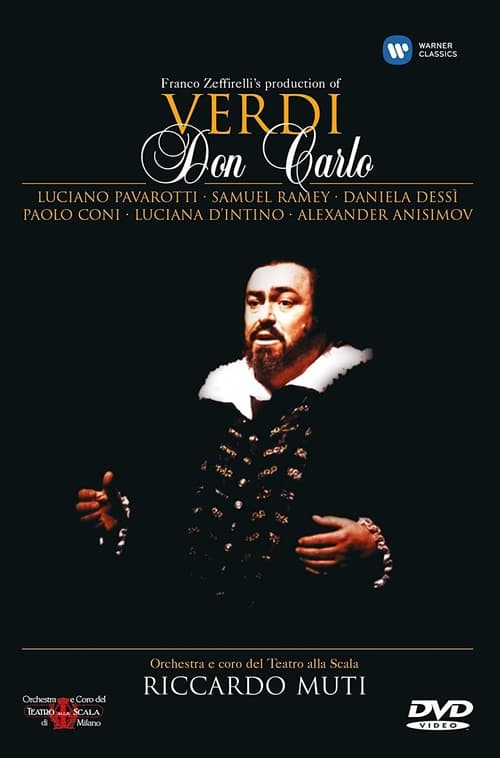

Luciano Pavarotti
Luciano Pavarotti
Don Carlo
Luciano Pavarotti
Don Carlo
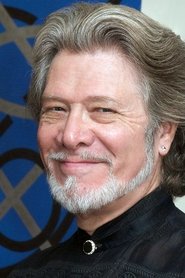
Samuel Ramey
Samuel Ramey
Filippo II
Samuel Ramey
Filippo II
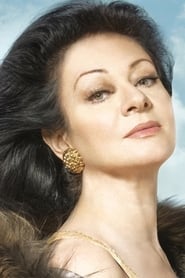
Daniela Dessì
Daniela Dessì
Elisabetta di Valois
Daniela Dessì
Elisabetta di Valois
Paolo Coni
Paolo Coni
Rodrigo, Marchese di Posa
Paolo Coni
Rodrigo, Marchese di Posa
Alexander Anisimov
Alexander Anisimov
Il Grande Inquisitore
Alexander Anisimov
Il Grande Inquisitore
Antonio Silvestrelli
Antonio Silvestrelli
Un frate
Antonio Silvestrelli
Un frate
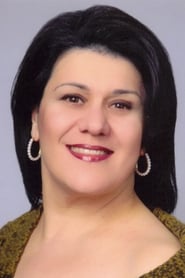
Luciana D'Intino
Luciana D'Intino
La Principessa Eboli
Luciana D'Intino
La Principessa Eboli
Marilena Laurenza
Marilena Laurenza
Tebaldo
Marilena Laurenza
Tebaldo

Nuccia Focile
Nuccia Focile
Voce dal cielo
Nuccia Focile
Voce dal cielo
Similar Movies
Screen adapatation of Mozart's greatest opera. Don Giovanni, the infamous womanizer, makes one conquest after another until the ghost of Donna Anna's father, the Commendatore, (whom Giovanni killed) makes his appearance. He offers Giovanni one last chance to repent for his multitudinious improprieties. He will not change his ways So, he is sucked down into hell by evil spirits. High drama, hysterical comedy, magnificent music!
‘Nabucco’, or ‘Nebuchadnezzar’ (Italian: Nabucco), is an opera by Giuseppe Verdi with a libretto by T. Solera, based on events described in the Bible. (Nabucco is a shortened Italian rendering of the name of King Nebuchadnezzar II). It was this opera, the third in Verdi’s oeuvre, that brought him true fame. It tells of the tribulations of the Jews, their captivity by the Babylonians, and their subsequent release to their homeland by Nebuchadnezzar, King of Babylon. Giuseppe Verdi’s opera ‘Nabucco’, is a monumental work that tells the story of the enslavement of the Hebrew people by the Babylonian king Nebuchadnezzar (Nabucco) and their journey towards redemption. The premiere took place on 9 March 1842 at La Scala in Milan. The first performance of the final version was held at the Teatro San Giacomo in Corfu in September 1844. From the box set of 27 Verdi operas, ‘Tutto Verdi’. Recorded live at the Teatro Regio in Parma, 12–14 October 2009.
Verdi’s IL TROVATORE again storms the Met stage in a star-studded, anvil-wielding cast , including Sondra Radvanovsky, Dolora Zajick and Dmitri Hvorostovsky. Marcelo Álvarez sings Manrico, the troubadour of the title. The story is well-known already: The gypsy Azucena has harbored a grudge for thirty years, but she is about to have revenge at last. Meanwhile, her son Manrico is in love with Leonora, but so is his arch-enemy, the Count Di Luna. A pot-boiler, where every tune is a hit.
“In a world that often demands certainty, Dialogues des Carmélites invites us to sit with profound questions that have no easy answers: What makes a life worthy? How can we be truly prepared for our inevitable end? What does security mean when everything familiar is threatened? What sustains us when our institutions crumble? … Rather than imposing answers, the opera creates room for reflection on how faith manifests not as abstract doctrine, but as lived experience under extraordinary pressure.” — Louisa Muller, Director’s Note. Juilliard Opera directed by Louisa Muller. Matthew Aucoin conducts the Juilliard Orchestra. Performed and recorded on April 26, 2025 at the Peter Jay Sharp Theater. Dialogues des Carmélites, an opera by Francis Poulenc. Libretto adapted by the composer.
The Gershwins’ modern American masterpiece has its first Met performances in almost three decades, starring bass-baritone Eric Owens and soprano Angel Blue in the title roles. Director James Robinson’s stylish production transports audiences to Catfish Row, a setting vibrant with the music, dancing, emotion, and heartbreak of its inhabitants.
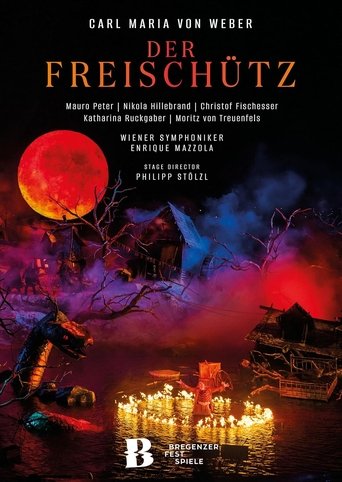
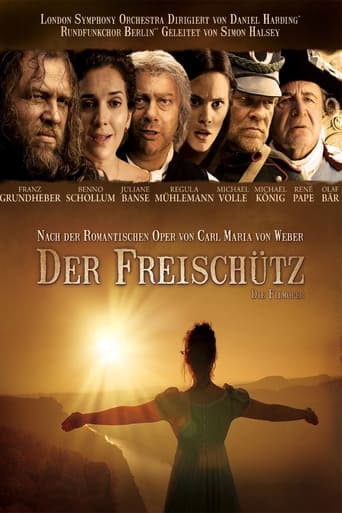
A godforsaken village in Germany shortly after the Thirty Years’ War: The young scrivener Max loves Agathe, daughter of the head forester Kuno. But to marry her, the inexperienced marksman Max must participate in an archaic tradition and score in a shooting trial – an unfulfillable challenge for him. The dubious war veteran Kaspar knows about this. He convinces the scrivener to meet him at Wolf’s Glen at midnight to forge “free bullets” that never miss their target. Max, who does not see any other way out of his unfortunate situation, sells his soul to the devil. Not knowing about the catch behind this deal: while six of the cursed bullets will hit the desired target, the seventh lies in the devil’s hands.
Finding the right librettos was not easy, but one month after the end of the First World War, his triptych – the grim tragedy Il tabarro, the lyrical and sensitive Suor Angelica, and the comedy Gianni Schicchi – premiered in New York. Three different eras, three different settings, three different ‘colours’; though for Puccini, it is through the contrasts between them that the unity of the work is revealed. For his second time directing at La Monnaie, Tobias Kratzer preserves the original order of the pieces, while weaving them together to form a narrative whole, like a circle with no end. With a cast of artists from the extended La Monnaie family, Alain Altinoglu is the ideal conductor to meet the daunting challenges posed by this triptych.
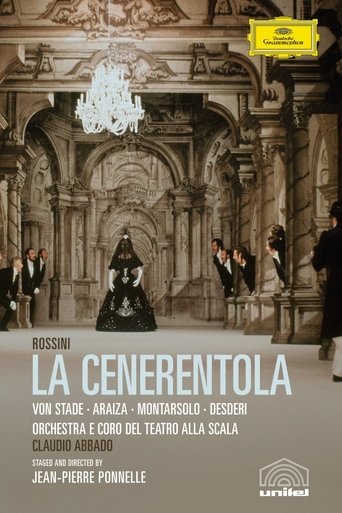
The Prince, Don Ramiro (who has changed places with his valet, Dandini), meets Cenerentola and they are instantly attracted to each other. When the Philosopher, Alidoro, later takes Cenerentola (dressed in magnificent clothing) to the palace, Dandini (still posing as the prince) tries to talk of love to her, but Cenerentola rejects him, saying that she is in love with his 'valet'. Ramiro, who has overheard this comment, is overjoyed, and immediately proposes to her, but Cenerentola says that he must first seek her out and then, if he still felt the same way, she would marry him. She gives him one of a matching pairs of bracelets, telling him to look for its companion on her right arm (she then leaves the palace). Ramiro ends the masquerade, and he and Dandini resume their true identities. The Prince then sets out on his quest - little realising that destiny, in the form of a violent thunderstorm, is about to take a hand in the affair.
A Victor Hugo play, haunting and scandalous, provided the inspiration for Verdi’s mid-career masterpiece. A vengeful but misguided court jester strives to save his daughter from a duke’s licentious clutches, but can't part with the feeling that a curse looms over all of his actions. In Rigoletto, the composer introduces several of his most iconic arias and duets—as well as an 11th-hour quartet that counts among the finest moments in opera.