

The Sign Painter
Drama · History · Romance
Overview
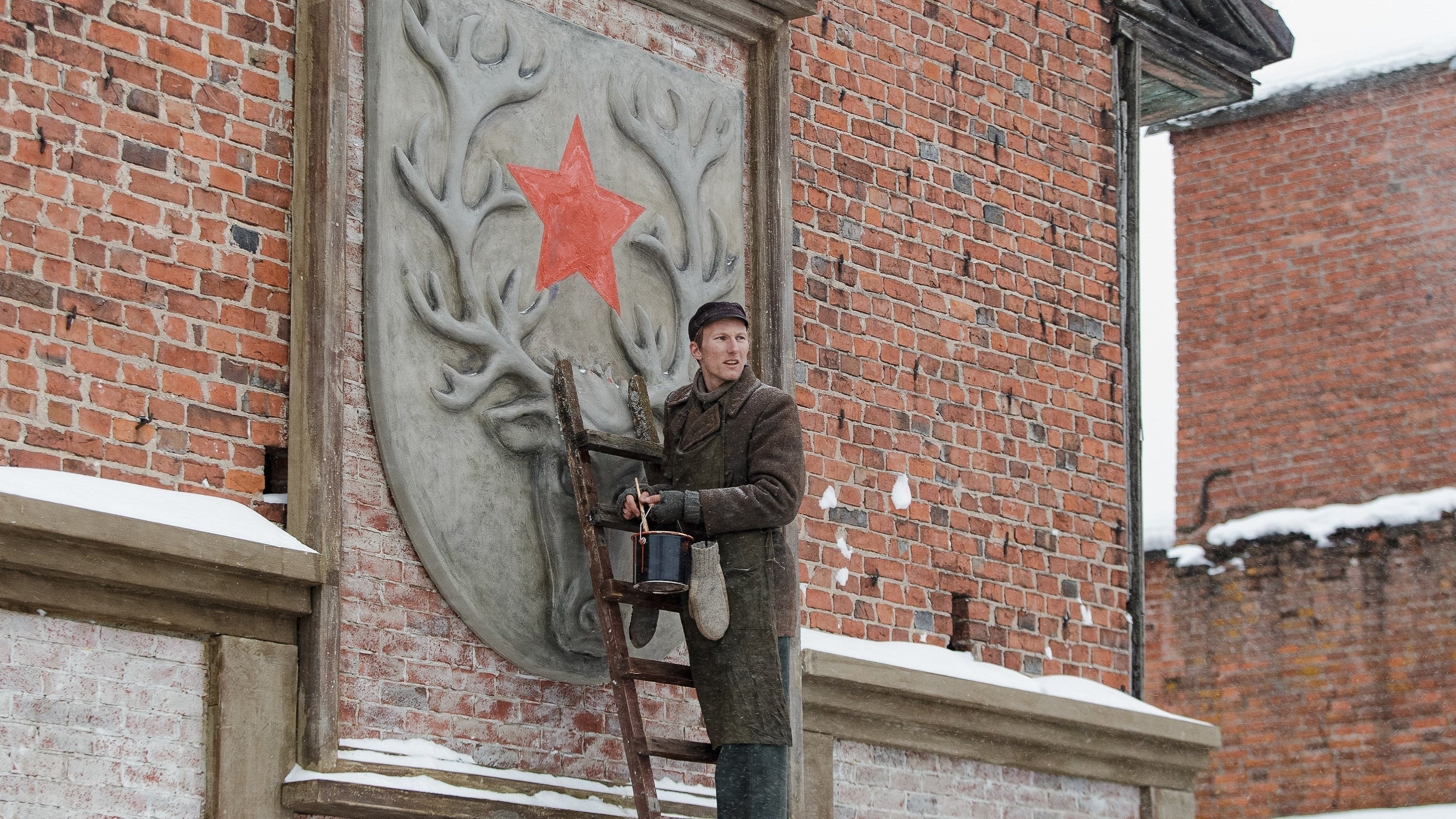
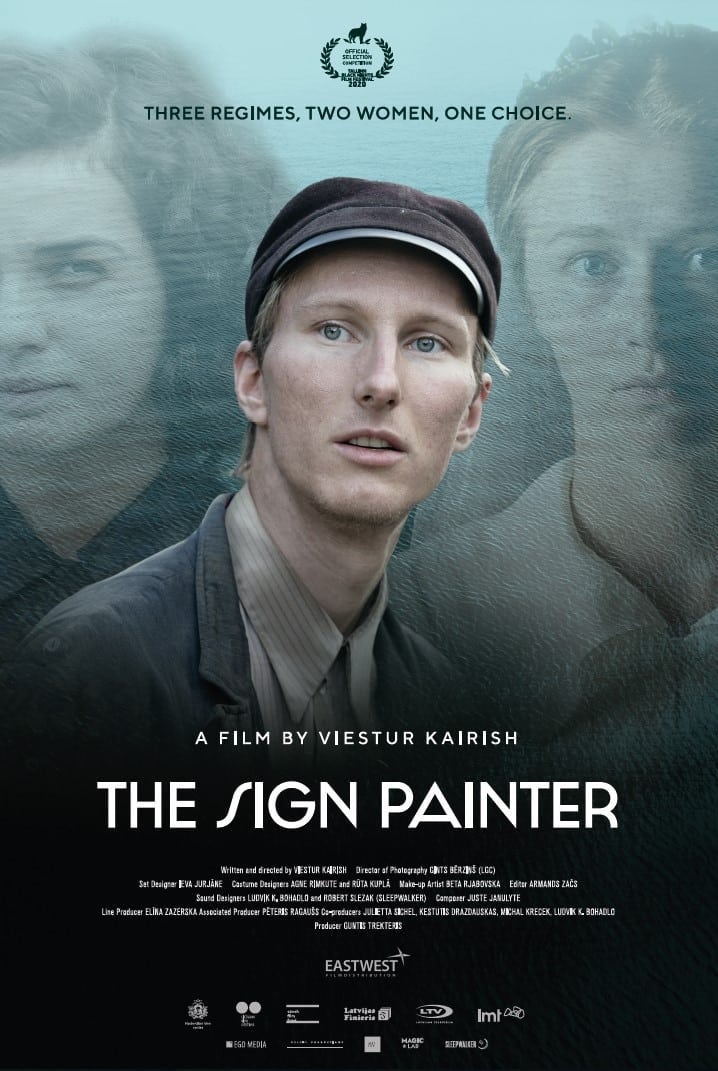
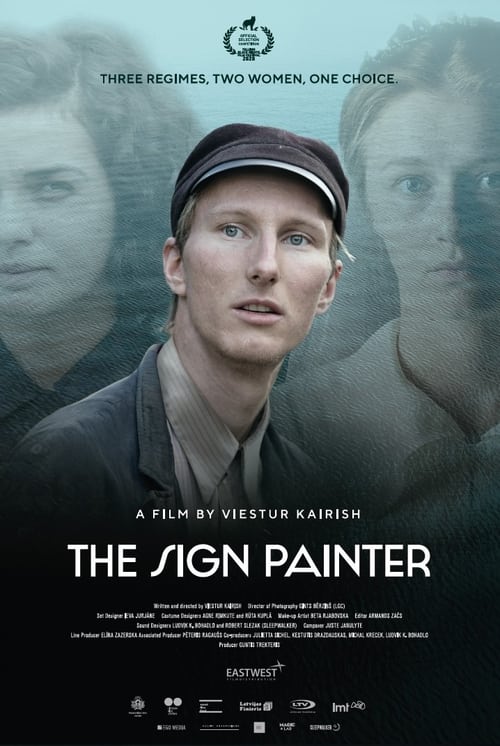
A Latvian tragicomedy about a young artist who bears witness to the dramatic political upheavals of the WWII era. As brutal regimes come and go, his country, his village, his people, and even his heart are swept up in the inexorable currents of history.





Dāvis Suharevskis
Dāvis Suharevskis
Ansis
Dāvis Suharevskis
Ansis

Brigita Cmuntová
Brigita Cmuntová
Zisele
Brigita Cmuntová
Zisele

Agnese Budovska
Agnese Budovska
Naiga
Agnese Budovska
Naiga
Aidas Jurgaitis
Aidas Jurgaitis
Andreas
Aidas Jurgaitis
Andreas

Gundars Āboliņš
Gundars Āboliņš
Father
Gundars Āboliņš
Father
Juozas Budraitis
Juozas Budraitis
Captain
Juozas Budraitis
Captain
Guntis Pelna
Guntis Pelna
Mamonov
Guntis Pelna
Mamonov
Maris Susejs
Maris Susejs
Bite
Maris Susejs
Bite
Imants Slisans
Imants Slisans
Ansis's Father
Imants Slisans
Ansis's Father
Similar Movies
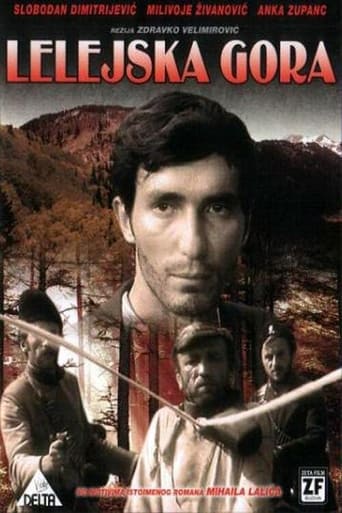
Lado Tajovic, a student, is charged by the communist party to go to his home in the Montenegrin Mountains, to illegally spread the liberation movement's propaganda. Alone, surrounded by enemies, always awake and ready to evade traps and ambushes, Lado fights on the verge of sleep, against people which are cowards ready to betrayal. He fights his own temptations, hallucinations that constantly besiege him. Although he perseveres in holding to party directives: no killing and no revenge, Lado at one moment of weakness falls to a primal human act vengeance.
The Netherlands, 1940. At the age of 16, Tiny is already being asked to do all the work in the house and shop. After the Germans invaded the Netherlands, she fell in love with the German Bernd Verspohl at a dance. From then on she was called Moffengriet, the derogatory name for women in the Netherlands who got involved with German soldiers. Young happiness is overshadowed by the tragic events of the time.
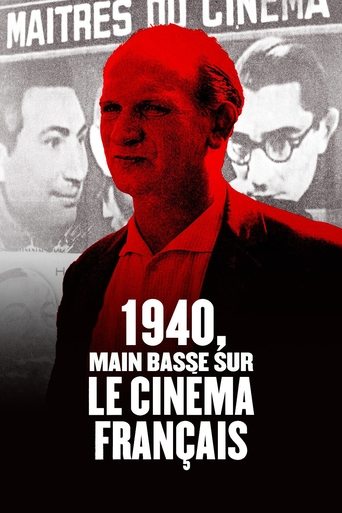
Paris, 1940. German occupation forces create a new film production company, Continental, and put Alfred Greven – producer, cinephile, and opportunistic businessman – in charge. During the occupation, under Joseph Goebbels’s orders, Greven hires the best artists and technicians of French cinema to produce successful, highly entertaining films, which are also strategically devoid of propaganda. Simultaneously, he takes advantage of the confiscation of Jewish property to purchase film theaters, studios and laboratories, in order to control the whole production line. His goal: to create a European Hollywood. Among the thirty feature films thus produced under the auspices of Continental, several are, to this day, considered classics of French cinema.