

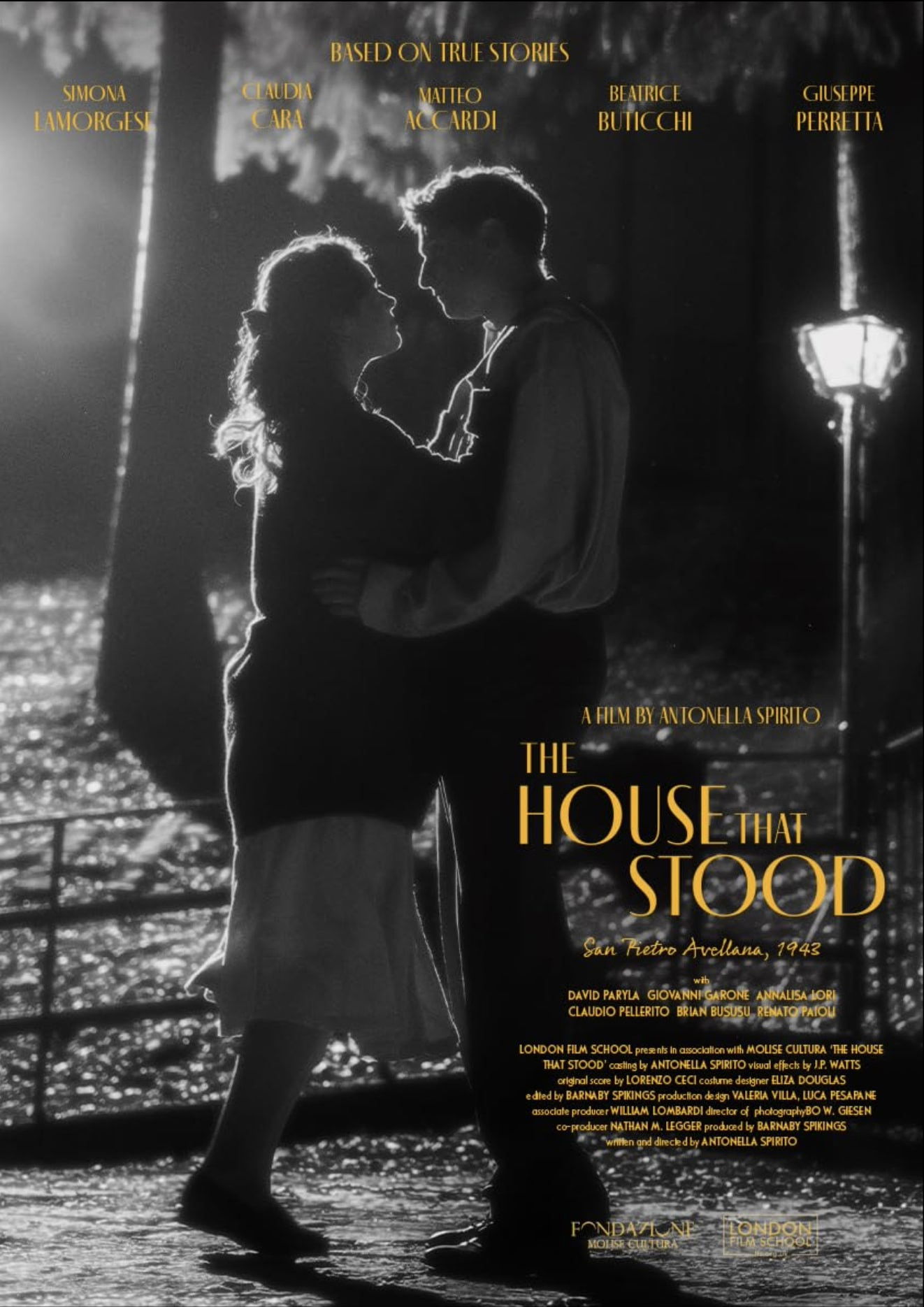
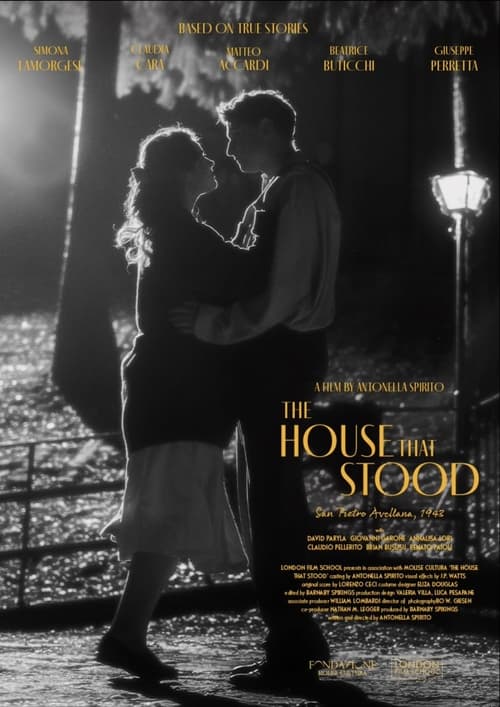
The House That Stood
Drama · History · Romance
Overview
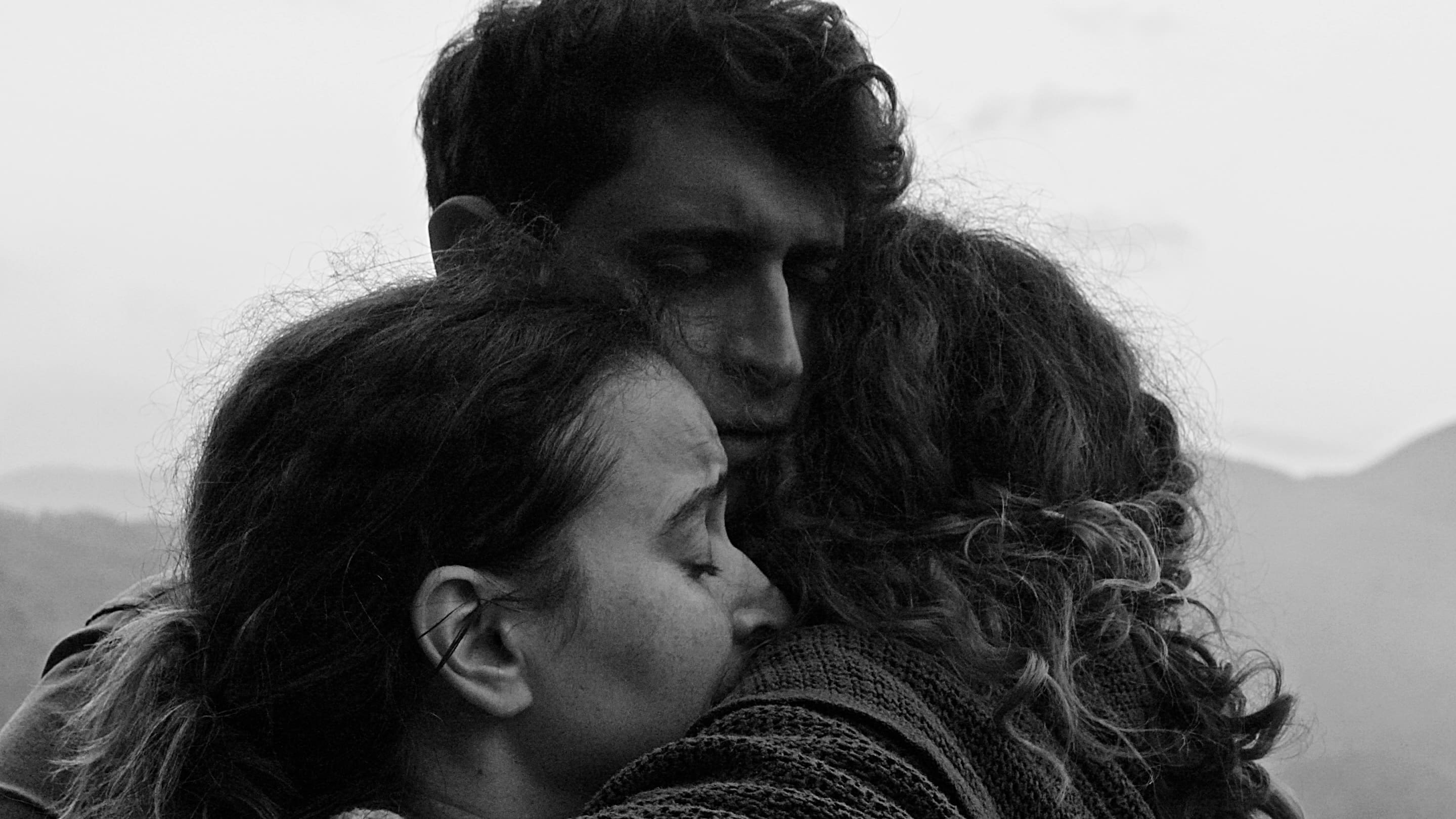
The blossoming young love between two teenagers is brutally disrupted by retreating Nazi soldiers who occupy their small village in rural Italy.

Matteo Accardi
Matteo Accardi
Camillo
Matteo Accardi
Camillo

Mirt Marella
Mirt Marella
Camillo (15 years later)
Mirt Marella
Camillo (15 years later)

Simona Lamorgese
Simona Lamorgese
Bianca
Simona Lamorgese
Bianca

Beatrice Buticchi
Beatrice Buticchi
Bianca (15 Years Later)
Beatrice Buticchi
Bianca (15 Years Later)
David Paryla
David Paryla
Otto
David Paryla
Otto

Claudia Cara
Claudia Cara
Giovanna
Claudia Cara
Giovanna

Annalisa Lori
Annalisa Lori
Anna
Annalisa Lori
Anna

Claudio Pellerito
Claudio Pellerito
Mario (15 Years Later)
Claudio Pellerito
Mario (15 Years Later)
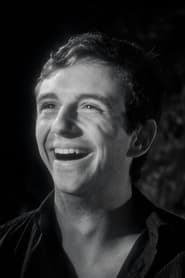
Giovanni Garone
Giovanni Garone
Mario
Giovanni Garone
Mario

Brian Bususu
Brian Bususu
Marcus
Brian Bususu
Marcus
Similar Movies
Tom Ripley is a calculating young man who believes it's better to be a fake somebody than a real nobody. Opportunity knocks in the form of a wealthy U.S. shipbuilder who hires Tom to travel to Italy to bring back his playboy son, Dickie. Ripley worms his way into the idyllic lives of Dickie and his girlfriend, plunging into a daring scheme of duplicity, lies and murder.
A rule-bound head butler's world of manners and decorum in the household he maintains is tested by the arrival of a housekeeper who falls in love with him in post-WWI Britain. The possibility of romance and his master's cultivation of ties with the Nazi cause challenge his carefully maintained veneer of servitude.
Budapest in the 1930s. Restaurant owner Laszlo hires pianist András to play in his restaurant. Both men fall in love with the beautiful waitress Ilona who inspires András to his only composition. His song of Gloomy Sunday is, at first, loved and then feared, for its melancholic melody sets off a chain of suicides. The fragile balance of the erotic ménage à trois is sent off kilter when the German Hans falls in love with Ilona as well.
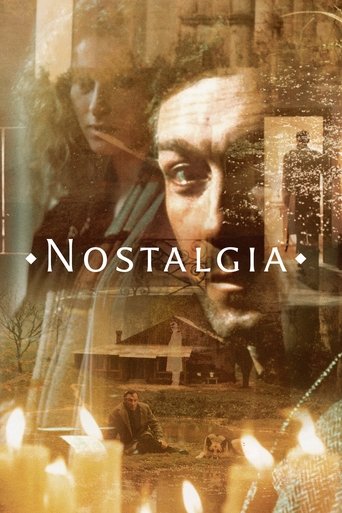
Russian poet Andrei Gorchakov journeys through Italy with his interpreter Eugenia to research the life of an 18th-century Russian composer who once lived abroad. Isolated and consumed by an unrelenting longing for his homeland, Andrei becomes drawn to Domenico, a radical mystic obsessed with spiritual redemption. Through austere imagery and extended temporal rhythms, Tarkovsky examines exile, memory, and the profound melancholy of being unable to belong fully to either place or language.
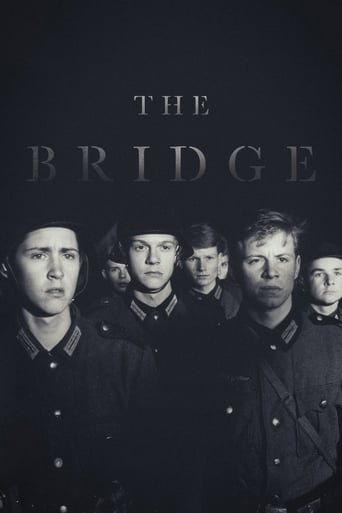
A group of German boys are ordered to protect a small bridge in their home village during the waning months of the second world war. Truckloads of defeated, cynical Wehrmacht soldiers flee the approaching American troops, but the boys, full of enthusiasm for the "blood and honor" Nazi ideology, stay to defend the useless bridge. The film is based on a West German anti-war novel of the same name, written by Gregor Dorfmeister.
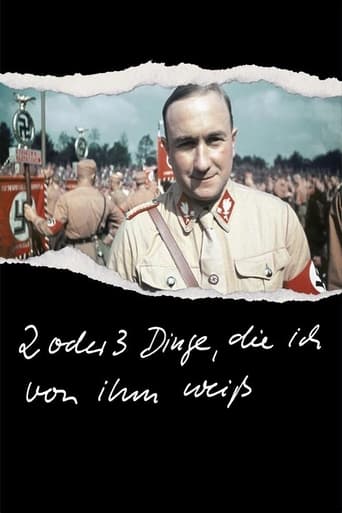
What would your family reminiscences about dad sound like if he had been an early supporter of Hitler’s, a leader of the notorious SA and the Third Reich’s minister in charge of Slovakia, including its Final Solution? Executed as a war criminal in 1947, Hanns Ludin left behind a grieving widow and six young children, the youngest of whom became a filmmaker. It's a fascinating, maddening, sometimes even humorous look at what the director calls "a typical German story." (Film Forum)
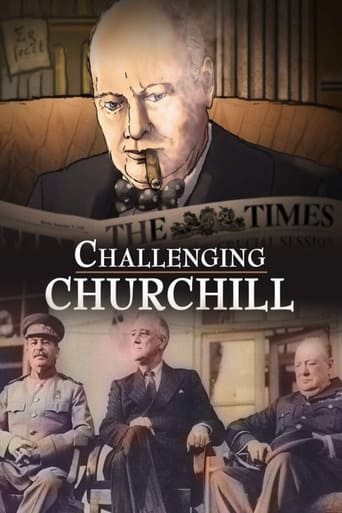
Churchill, a name typically associated with braveness and altruism. Recently found evidence from Soviet and British sources however brings up questions about Churchill's doings in the conferences of Tehran, Yalta and Potsdam. Why did he agree to give Stalin large parts of Poland? The story of two world leaders in times of war - it is also the story of Poland.
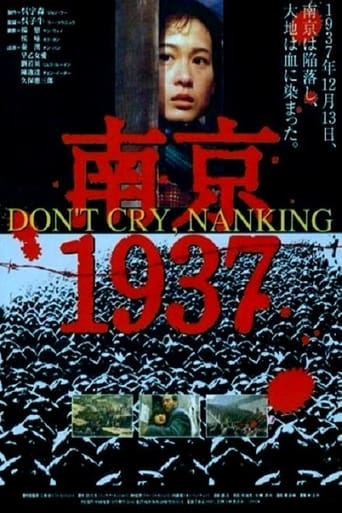
In December 1937, during the Second Japanese-Sino War, a Chinese doctor, his Japanese pregnant wife, their teenage daughter and their young son travel from Shanghai to Nanjing seeking shelter in the Capital during the Japanese invasion. The family faces the Rape of Nanking by the Imperial Japanese Army, with rapes, mass murder of prisoners of war and civilians including women, children and elders, and disrespect of international conventions.
During the Slovak National Uprising, even ordinary people were determined to perform heroic deeds, even though they knew they were exposing themselves to great danger. The heroine of this film, a simple country woman, has a hard time paying for her bravery: she is sentenced to death, postponed for now so that she can nurse her recently born baby. She is even offered salvation if she betrays, but the presence of a member of the Soviet army infuses her with determination and hope. Early Spring belongs to the usual schematic, lifeless staged views of the subject that the communist regime has elevated to the level of sacred matter.