

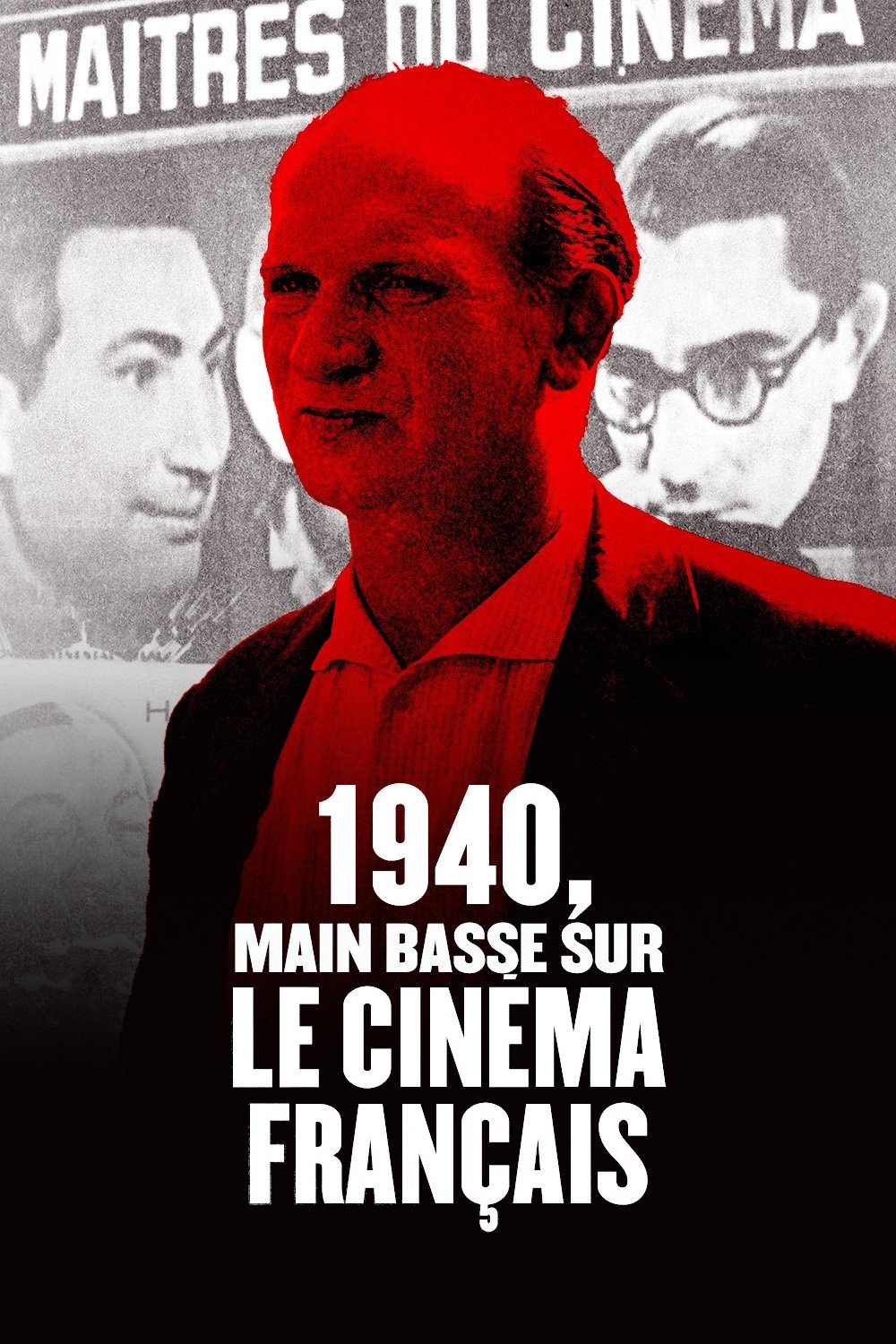
1940: Taking over French Cinema
Documentary · History · TV Movie
Overview
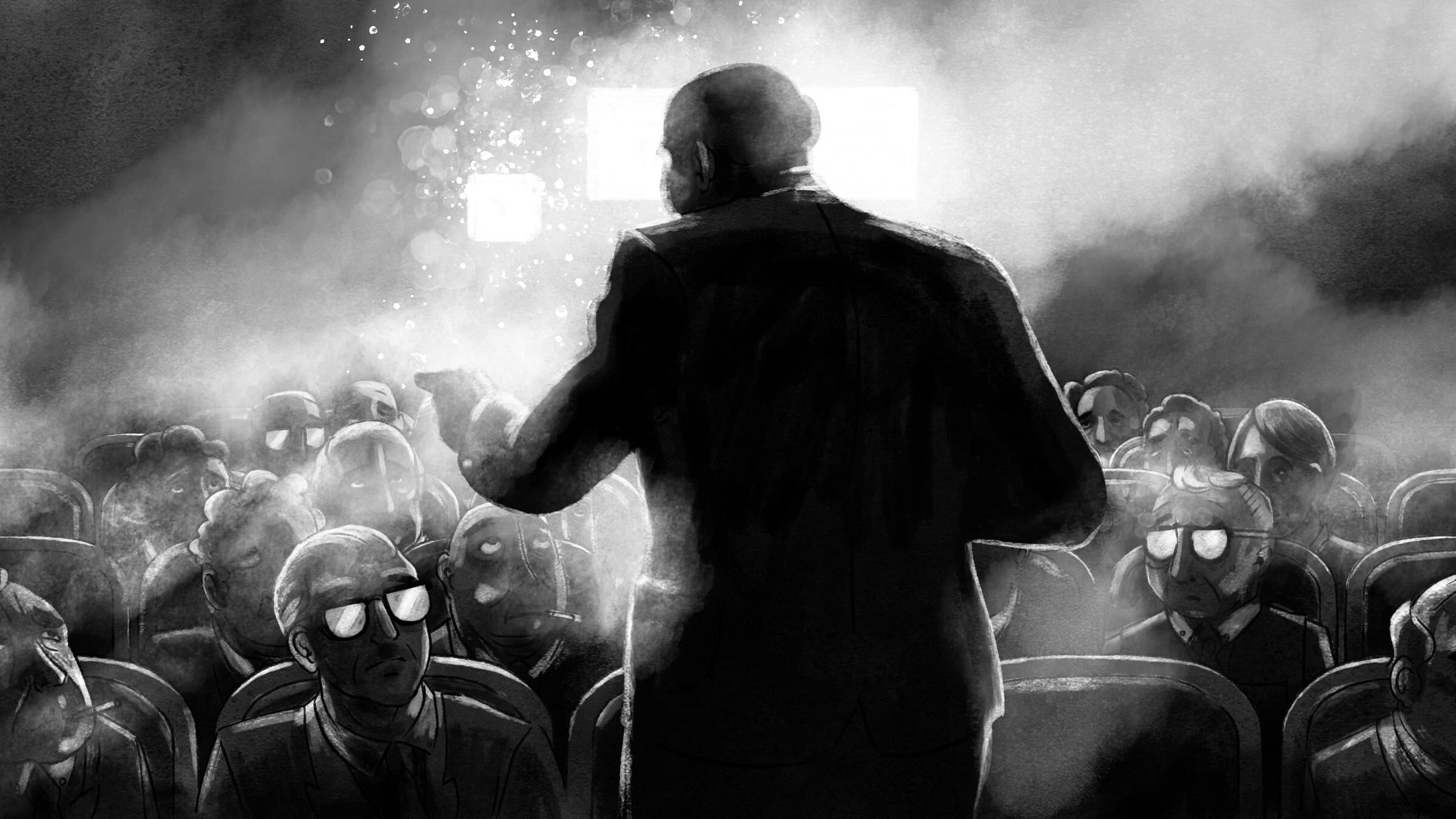
Paris, 1940. German occupation forces create a new film production company, Continental, and put Alfred Greven – producer, cinephile, and opportunistic businessman – in charge. During the occupation, under Joseph Goebbels’s orders, Greven hires the best artists and technicians of French cinema to produce successful, highly entertaining films, which are also strategically devoid of propaganda. Simultaneously, he takes advantage of the confiscation of Jewish property to purchase film theaters, studios and laboratories, in order to control the whole production line. His goal: to create a European Hollywood. Among the thirty feature films thus produced under the auspices of Continental, several are, to this day, considered classics of French cinema.
Top Cast

Sarah-Jane Sauvegrain
Self (voice)
Louis-Émile Galey
Self (archive footage)
Claude Heymann
Self (archive footage)
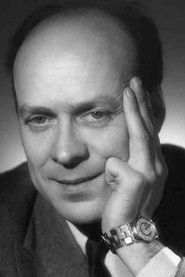
Jean Dréville
Self (archive footage)
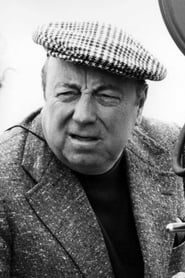
Marcel Carné
Self (archive footage)
Raoul Ploquin
Self (voice) (archive footage)
Henri Calef
Self (archive footage)
Jean-Paul Le Chanois
Self (archive footage)

Michel Duran
Self (archive footage)

Henri-Georges Clouzot
Self (archive footage)
Hans Borgelt
Self (archive footage)

Danielle Darrieux
Self (archive footage)





Sarah-Jane Sauvegrain
Sarah-Jane Sauvegrain
Self (voice)
Sarah-Jane Sauvegrain
Self (voice)
Louis-Émile Galey
Louis-Émile Galey
Self (archive footage)
Louis-Émile Galey
Self (archive footage)
Claude Heymann
Claude Heymann
Self (archive footage)
Claude Heymann
Self (archive footage)
Jean Dréville
Jean Dréville
Self (archive footage)
Jean Dréville
Self (archive footage)
Marcel Carné
Marcel Carné
Self (archive footage)
Marcel Carné
Self (archive footage)
Raoul Ploquin
Raoul Ploquin
Self (voice) (archive footage)
Raoul Ploquin
Self (voice) (archive footage)
Henri Calef
Henri Calef
Self (archive footage)
Henri Calef
Self (archive footage)
Jean-Paul Le Chanois
Jean-Paul Le Chanois
Self (archive footage)
Jean-Paul Le Chanois
Self (archive footage)
Michel Duran
Michel Duran
Self (archive footage)
Michel Duran
Self (archive footage)
Henri-Georges Clouzot
Henri-Georges Clouzot
Self (archive footage)
Henri-Georges Clouzot
Self (archive footage)
Similar Movies
A fascinating new look at the biblical, historical, and scientific evidence for Creation and the Flood. Learn from more than a dozen scientists and scholars as they explore the world around us in light of Genesis. Dr. Del Tackett, creator of The Truth Project, hikes through canyons, climbs up mountains, and dives below the sea in an exploration of two competing views... one compelling truth.
The war in Europe is over, but the one at home has only just begun. The Second World War is ending and throughout Britain, evacuees are returning home to their families - but not the families they remember. Like so many other women, Peggy’s life has been transformed by the war. Living and working with good friends, she is happier than she has been for years. Yet Peggy’s life is not the only one changed by the war. Her daughter, Rusty, has just returned from the U.S., where she has been living as an evacuee for the last five years. After so long abroad, her home in England has become unrecognizable. Just as Peggy begins to restore normal family bonds, her husband returns from the war, damaged and desperate to make everything as it was before. Adapted from the novel by Michelle Magorian, author of Goodnight, Mister Tom, Back Home is the story of a family who struggle to make sense of their new lives in a world irrevocably altered by the far-reaching effects of war.
Danton and Robespierre were close friends and fought together in the French Revolution, but by 1793 Robespierre was France's ruler, determined to wipe out opposition with a series of mass executions that became known as the Reign of Terror. Danton, well known as a spokesman of the people, had been living in relative solitude in the French countryside, but he returned to Paris to challenge Robespierre's violent rule and call for the people to demand their rights. Robespierre, however, could not accept such a challenge, even from a friend and colleague, and he blocked out a plan for the capture and execution of Danton and his allies.
A history of the French Revolution beginning from the decision of the king to convene the Etats-Generaux in 1789 in order to deal with France's debt problem. Part one spans the event until August 10, 1792 (when the King Louis XVI lost all authority and was imprisoned). Part two carries the story through the end of the terror in 1794.
The crew of kontroll.hu traveled to Transcarpathia, Ukraine, to film among orphaned children in Munkács and lonely elders in Tiszakeresztúr. The documentary follows a single day in the life of Reverend József Sipos, a Reformed pastor whose calling extends far beyond the pulpit. From abandoned hospital wards to remote village homes, he brings words of comfort, food, and aid to those left behind in the shadow of the Russian–Ukrainian war. Just a mile and a half from the Hungarian border—a mile and a half from peace—the film reveals the stark reality of life lived on the very edge of hope.
Nineteen year old pioneer woman Marty has recently married. She goes west with her husband Clem, hoping to start a new life. But Clem unexpectedly dies, and Marty finds herself alone, two months pregnant. Widower Clark offers her a marriage of convenience: she needs food and money, and he needs someone to take care of his daughter Missie. She accepts his proposal as a temporary solution.