

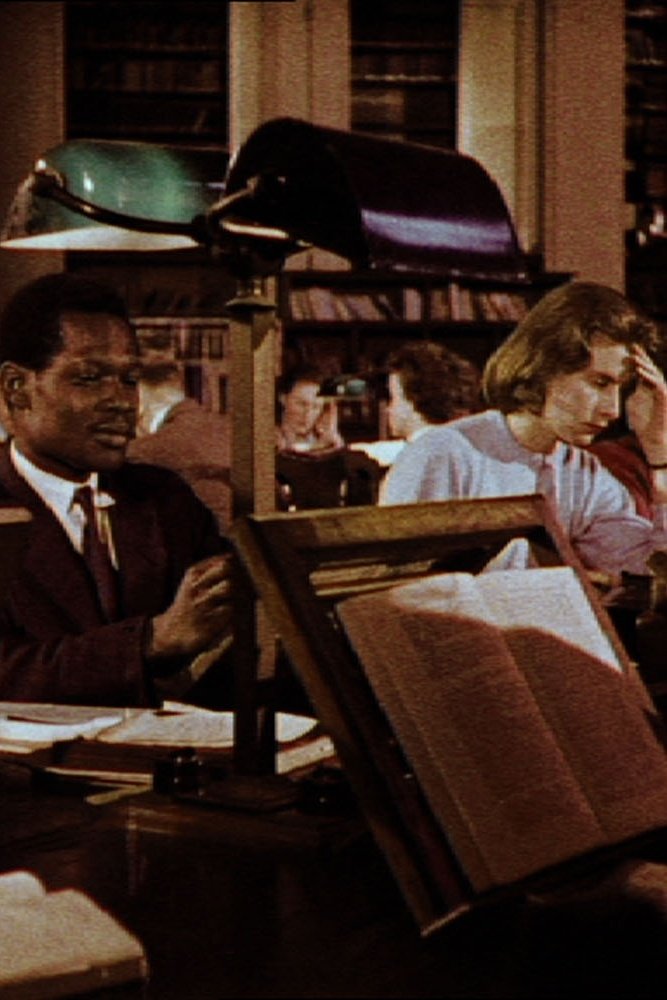
Building for Books
Documentary
Overview
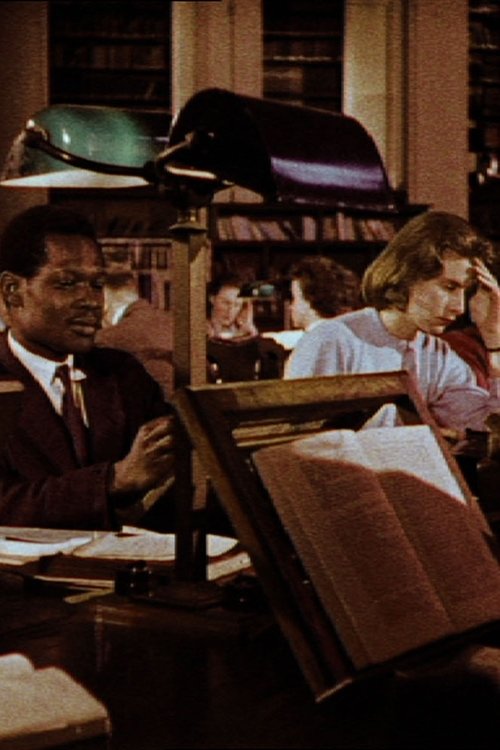
Though commissioned by Trinity College Dublin as a fundraiser for the Berkeley Library and with extensive discussion of the history, architecture and collections of the Old Library, this film also provides a rare insight into student life in Dublin in the 1950s – at work and at play – and lauds the arrival of women and students from many lands.


No cast information.
Similar Movies
December 31, 2015. The Valencian bookstore Valdeska closed its doors permanently after forty years of activity. The result of four years of monitoring and filming, these 31 minuts of run time are part of a book unread, unknown and undiscovered. "Me voy. Me voy" it's not the story of a bookstore, not the portrait of an exceptional bookseller, it's a will to attach the things in the filmed image, to make something lasting showing the moment of its disappearence.
In recent years, more than 2,500 books have been removed from school districts around the US, labeled as banned, restricted, or challenged, and made unavailable to millions of students. By no accident, the themes targeted are the usual scapegoats of the American Right—LGBTQ+ issues, Black History, and women’s empowerment—impeding the power of future generations to develop their own thoughts and opinions on critical social issues. By weaving together a lyrical montage of young readers and authors, THE ABCs OF BOOK BANNING reveals the voices of the impacted parties, and inspires hope for the future through the profound insights of inquisitive youthful minds.
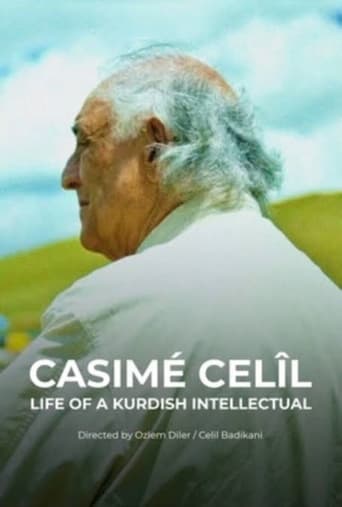
Casimê Celîl was born into a Yezidi Kurdish family in 1908, in a village called Kızılkule, located in Digor, Kars. The village and family life, which he longed to remember throughout his life, ends with the massacre they endured in 1918. During his long road to Erivan, Armenia, he lost all his family members. Left all alone, Casim was placed into an orphanage and was forced to change his name. To remember who he was and where he came from, every morning he repeated the mantra “Navê min Casim e, Ez kurê Celîlim, Ez ji gundê Qizilquleyê Dîgorê me, Ez Kurdim, Kurdê Êzîdî me”, which translates to: “My name is Casim, I am the son of Celîl, I come from the village of Kızılkule in Digor, I am a Kurd, and I am Yezidi”. He clings to every piece of his culture he can find, reads, and saves whatever Kurdish literature or art he comes across. As the year’s pass, Casim finds himself with an impressive collection of Kurdish culture and history.
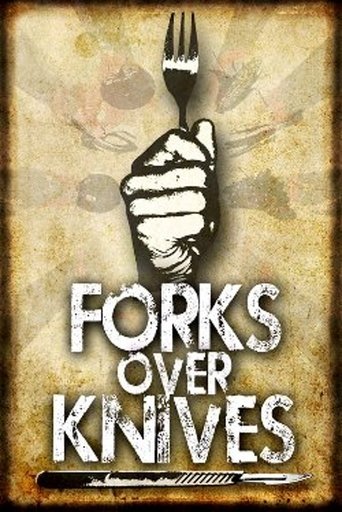
Examines the profound claim that most; if not all; of the degenerative diseases that afflict us can be controlled; or even reversed; by rejecting our present menu of animal-based and processed foods. The idea of food as medicine is put to the test. Cameras follow "reality patients" who have chronic conditions from heart disease to diabetes. Doctors teach these patients how to adopt a whole-foods, plant-based diet as the primary approach to treat their ailments - while the challenges and triumphs of their journeys are revealed.
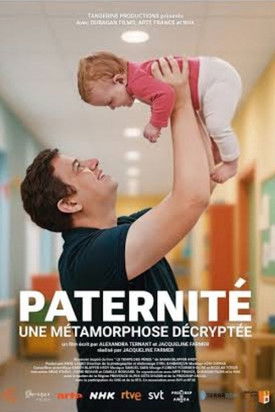
Becoming a father is an extraordinary adventure in a man's life, but it is also a real physiological metamorphosis that science is only just beginning to reveal. Researchers from multiple disciplines are lifting the veil on these changes taking place in men who are in contact with young children, and their discoveries are astonishing. By tracing the thread of evolution, the film reveals that these deep, long-ignored bonds between men and children are very ancient. And that they are just waiting for the right context to fully express themselves.
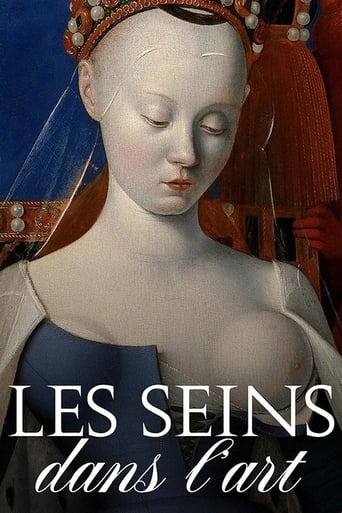
The female breast has been a motif for as long as there has been art. For centuries, people have been creating works that showcase this intimate and emotionally charged part of the body. Today, female artists are questioning traditional ideals of beauty and countering the male-dominated perspective of the breast with their own.