

The Village Detective: A Song Cycle
Documentary · History
Overview
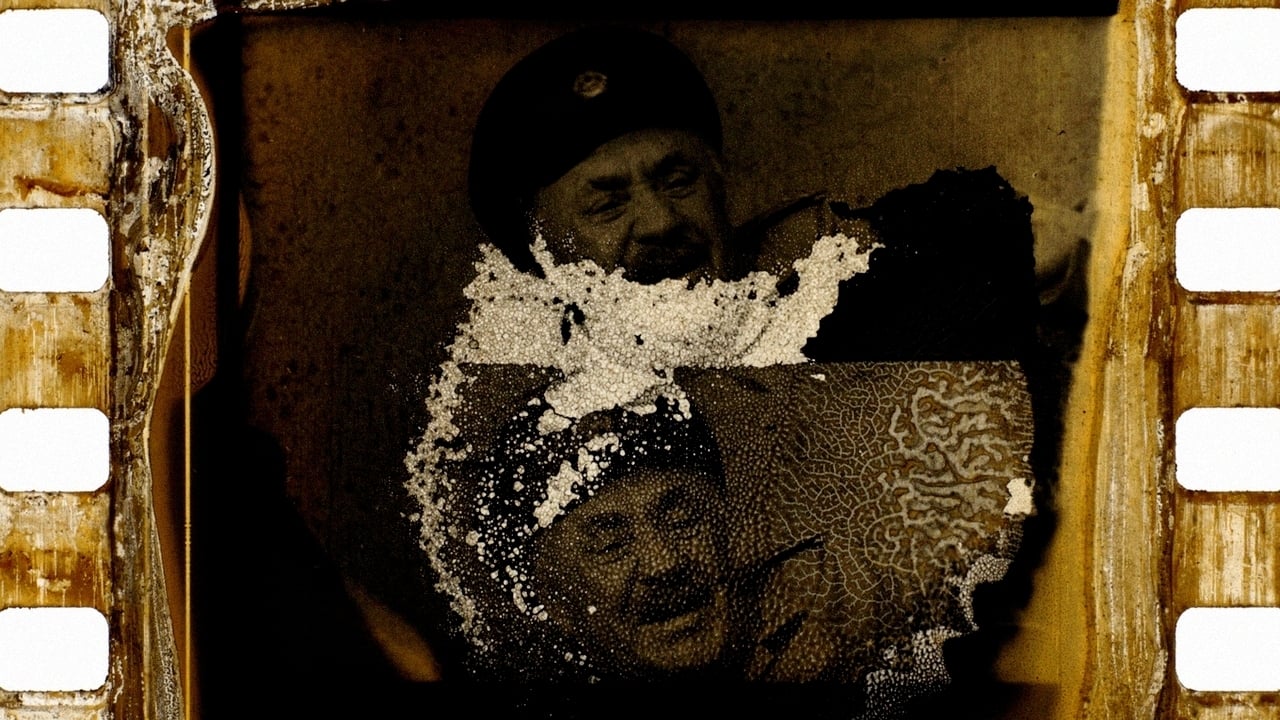
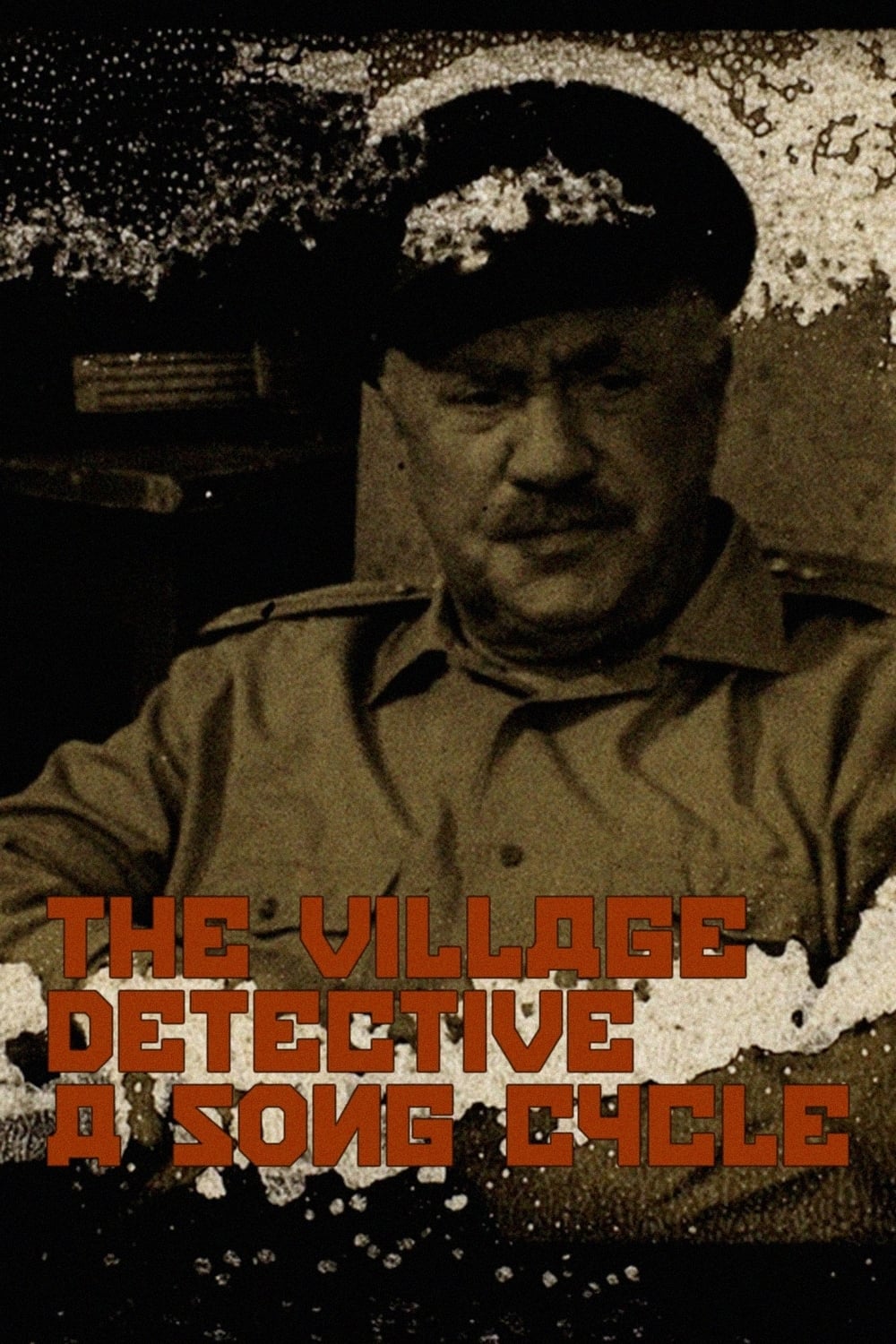
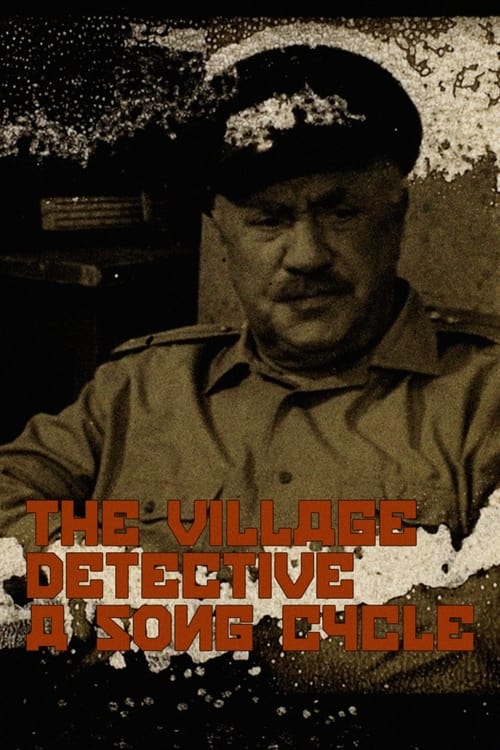
Atlantic Ocean, off the coast of Iceland, July 9, 2016. The surprising discovery of a canister —containing four reels of The Village Detective (Деревенский детектив), a 1969 Soviet film—, caught in the nets of an Icelandic trawler, is the first step in a fascinating journey through the artistic life of film and stage actor Mikhail Ivanovich Zharov (1899-1981), icon and star of an entire era of Russian cinema.
Top Cast
Gísli Fannar Gylfason
Self - Fróði II Trawler Crew Member
Erlendur Sveinsson
Self - Former NFAI Director
Pyotr Bagrov
Self - Former Gosfilmotond Curator
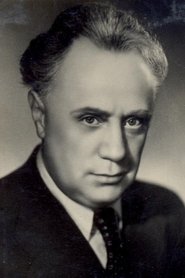
Mikhail Zharov
Self - Actor / Various Roles (archive footage)
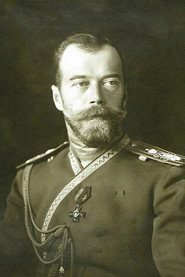
Czar Nicholas II of Russia
Self (archive footage)
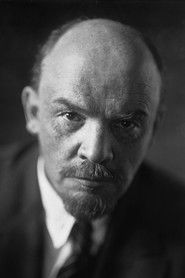
Vladimir Lenin
Self - Politician (archive footage)
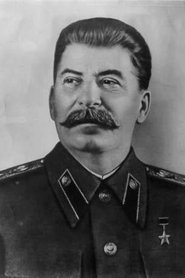
Joseph Stalin
Self - Politician (archive footage)
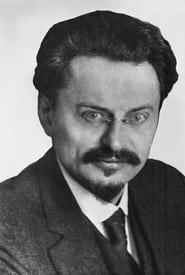
Leon Trotsky
Self - Politician (archive footage)




Gísli Fannar Gylfason
Gísli Fannar Gylfason
Self - Fróði II Trawler Crew Member
Gísli Fannar Gylfason
Self - Fróði II Trawler Crew Member
Erlendur Sveinsson
Erlendur Sveinsson
Self - Former NFAI Director
Erlendur Sveinsson
Self - Former NFAI Director
Pyotr Bagrov
Pyotr Bagrov
Self - Former Gosfilmotond Curator
Pyotr Bagrov
Self - Former Gosfilmotond Curator
Mikhail Zharov
Mikhail Zharov
Self - Actor / Various Roles (archive footage)
Mikhail Zharov
Self - Actor / Various Roles (archive footage)
Czar Nicholas II of Russia
Czar Nicholas II of Russia
Self (archive footage)
Czar Nicholas II of Russia
Self (archive footage)
Vladimir Lenin
Vladimir Lenin
Self - Politician (archive footage)
Vladimir Lenin
Self - Politician (archive footage)
Joseph Stalin
Joseph Stalin
Self - Politician (archive footage)
Joseph Stalin
Self - Politician (archive footage)
Leon Trotsky
Leon Trotsky
Self - Politician (archive footage)
Leon Trotsky
Self - Politician (archive footage)
Similar Movies
Film producer Sy Lerner makes a bet with a fellow film executive that he can turn any nobody into a star at the Cannes Film Festival. A New York cab driver who is visiting the festival is chosen as the test subject to settle the bet and Sy uses his skills of hype and manipulation to try and turn the cab driver named Frank into the talk of the town. Many celebrities make cameos throughout the film.
Thanks to his myriad film roles, Lon Chaney is known as “the man of a thousand faces,” and you could say that the early horror era never beheld a figure more intriguing. Yet because of his numerous transformations, his face never became as iconic as that of, say, Boris Karloff. Accompanied by a soundtrack from Bernhard Lang, this “re-imagination of shots” taken from Chaney´s forty-six surviving films offers a beguiling excursion into the history of film. The director reveals surprising associations, while highlighting the enduring magic of works which are now more or less forgotten.
The greatness, fall and renaissance of Hammer, the flagship company of British popular cinema, mainly from 1955 to 1968. Tortured women and sadistic monsters populated oppressive scenarios in provocative productions that shocked censorship and disgusted critics but fascinated the public. Movies in which horror was shown in offensive colors: dreadful stories, told without prejudices, that offered fear, blood, sex and stunning performances.
The team of smart-talkin' toddlers known as Everything Is Terrible! have once again emerged from their VHS cocoons to conjure a jam on culture so culture-jamtastic that we're sorry we can't be there to hold your hand as you watch in dazed amazement. Thousands of hours of brain-boiling footage have been concentrated into an impenetrable jewel of an experience, teach us once and for all that loving well is the best revenge.
As Russia launches its full-scale invasion of Ukraine, primary schools across Russia’s hinterlands are transformed into recruitment stages for the war. Facing the ethical dilemma of working in a system defined by propaganda and violence, a brave teacher goes undercover to film what’s really happening in his own school.
Throughout time, Eastern Ukraine (such as Donbas) has been referred to as a 'Russian world', but this is indeed not the case. The history of Donbas was re-written during the Soviet era. Although the Soviet Union edited out and withheld all references to the European background of this region from history books in schools and universities. There were, in fact, numerous French, Belgian, German, British, Polish, Swiss, Dutch, and even American settlements and more than 100 wide-scale enterprises in the region. Therefore, this film reveals the pro-European industrialization of Ukrainian Donbas at the turn of the 19th century. It aims to emphasize the European roots of Ukraine long before the official integration process of Ukraine into the EU in 2022.
For three and a half centuries, from the same day that Diego Velázquez (1599-1660) applied his last brushstroke to the canvas, the enigma of “Las meninas, o La familia de Felipe IV” (1656) has not been deciphered. The secret story of a painting unveiled as if it was the resolution of a perfect crime.