

When Women Kill
Documentary
Overview
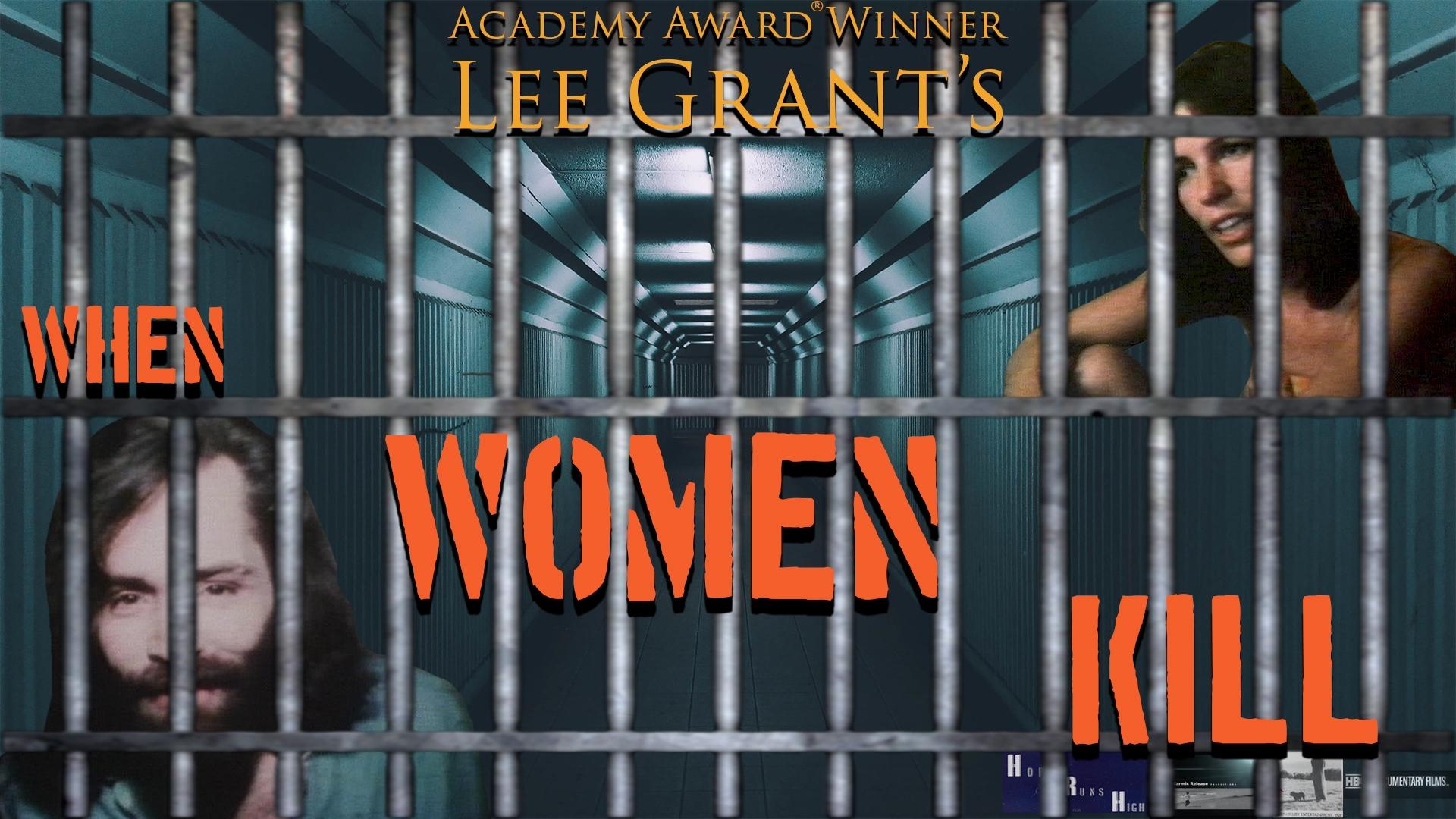
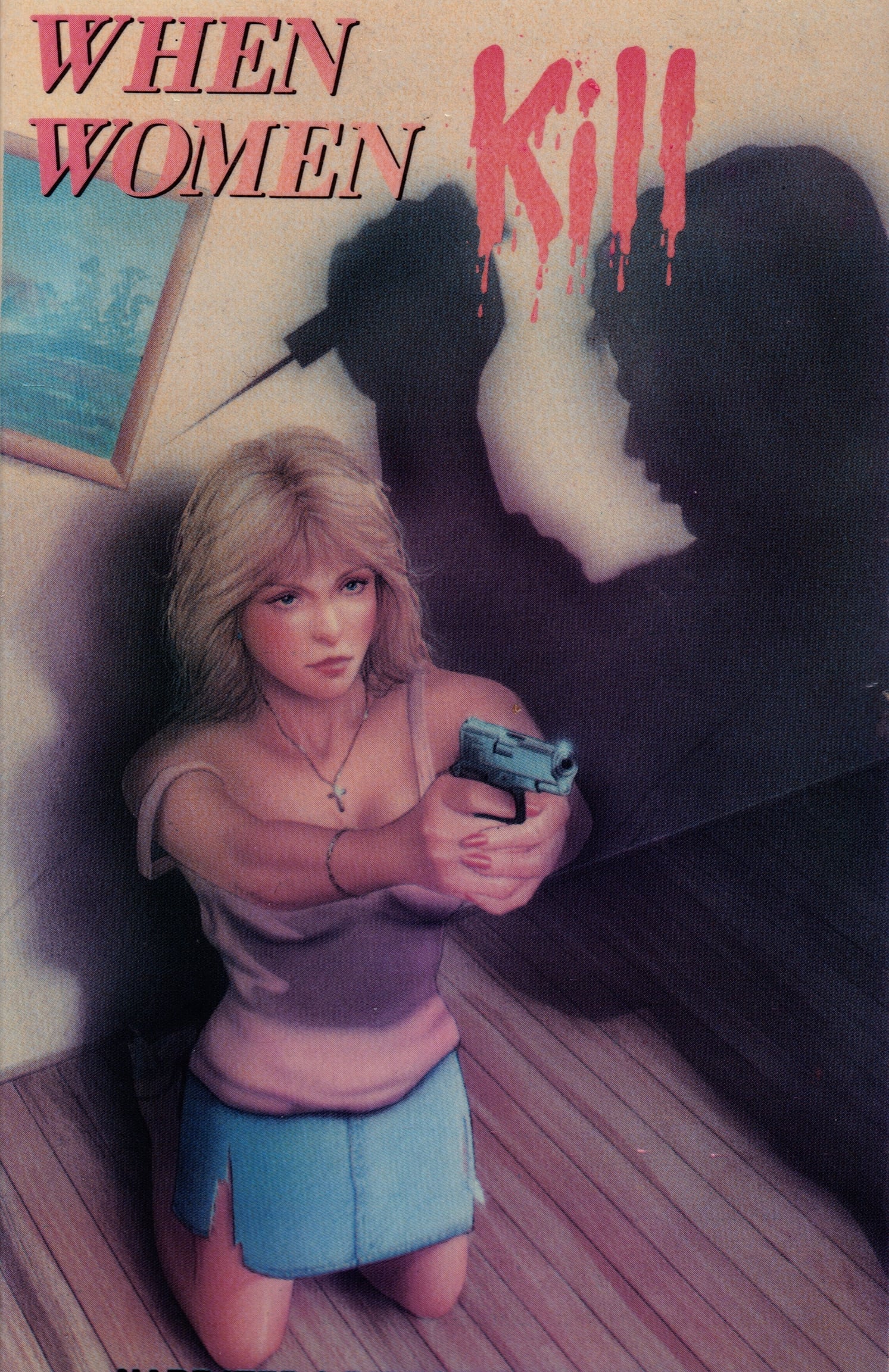
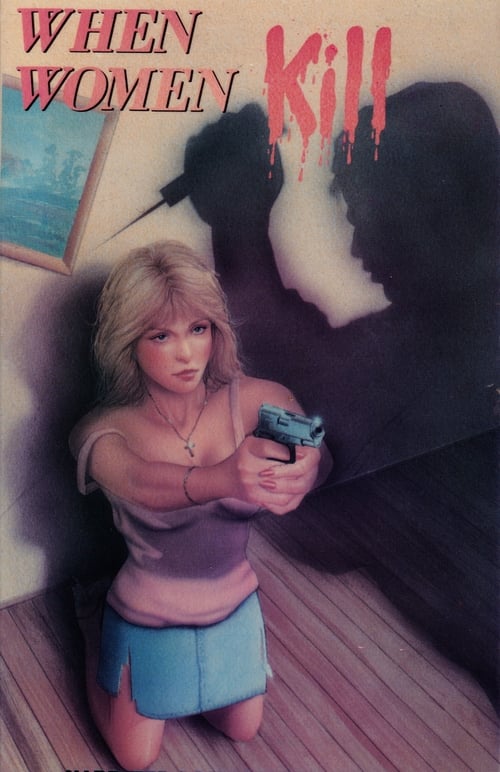
When Women Kill is a poignant documentary exploring the shocking violence that seven women fell victim to at the hands of men. The program profiles the battered women who speak frankly about the cruel abuse, threats, and fears, and the overassertive men who led them down a one-way path to death and destruction. The film features in-prison footage, including a segment depicting a confession by a follower of the notorious Charles Manson, Leslie Van Houten, who was convicted of two killing sprees and committed to life in prison.



Lee Grant
Lee Grant
Herself
Lee Grant
Herself
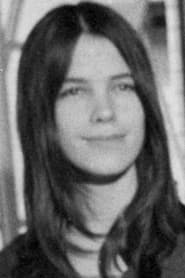
Leslie Van Houten
Leslie Van Houten
Herself
Leslie Van Houten
Herself
Similar Movies

For over thirty years, three women have languished in Missouri State prison under unjust sentences for killing their abusive husbands. Denied the opportunity to enter the abuse into evidence, each of the women represents a system broken by outdated and media-sensationalized stereotypes. When a greater understanding of the "battered" syndrome change legal practices in 2000, Missouri's Governor crafts a new law demanding the parole board reevaluate each woman's case.
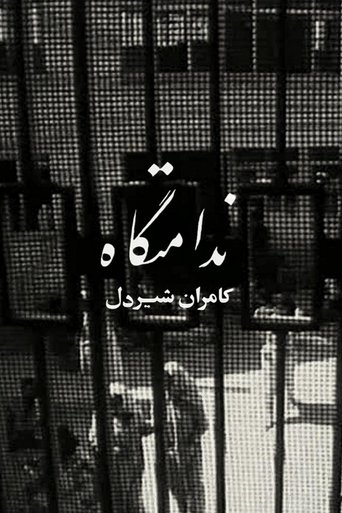
The film recounts the life of the prisoners and the problems their families encounter in their struggle to survive. Here again filmmaker Kamran Shirdel employs the cinema verité style. The interviews with the prisoners, social workers and teachers serve as commentaries for "constructed" documentary images.
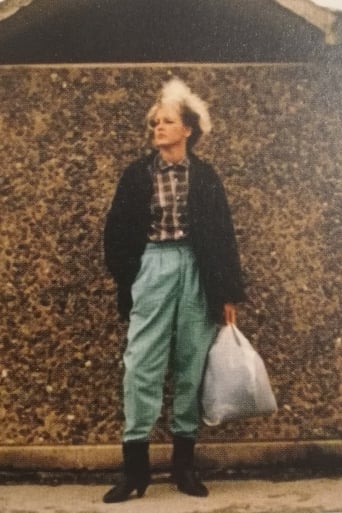
In Paradisum relates two disturbing stories simultaneously. The female narrator tells her personal tale of imprisonment as the wife of the notorious Estonian serial killer, Andreas Hanni. Although her story is bizarre, it touches familiar themes that run throughout modern life: the desire to be loved and the fear of being alone. Pille Hanni's tale unfolds over cinema vérité images of life in several Estonian prisons. At times the images reflect in a literary way the events of the narration, yet they are representations and impressions, rather than traditional documentary style footage of the people involved. This opens the story to a more general interpretation, often with unsettling results. The parallel contents reveal, at two levels of story and social organisation, how the bizarre and inhuman can be tolerable and even addictive in the face of our fears.