

In Paradisum
Documentary
Overview
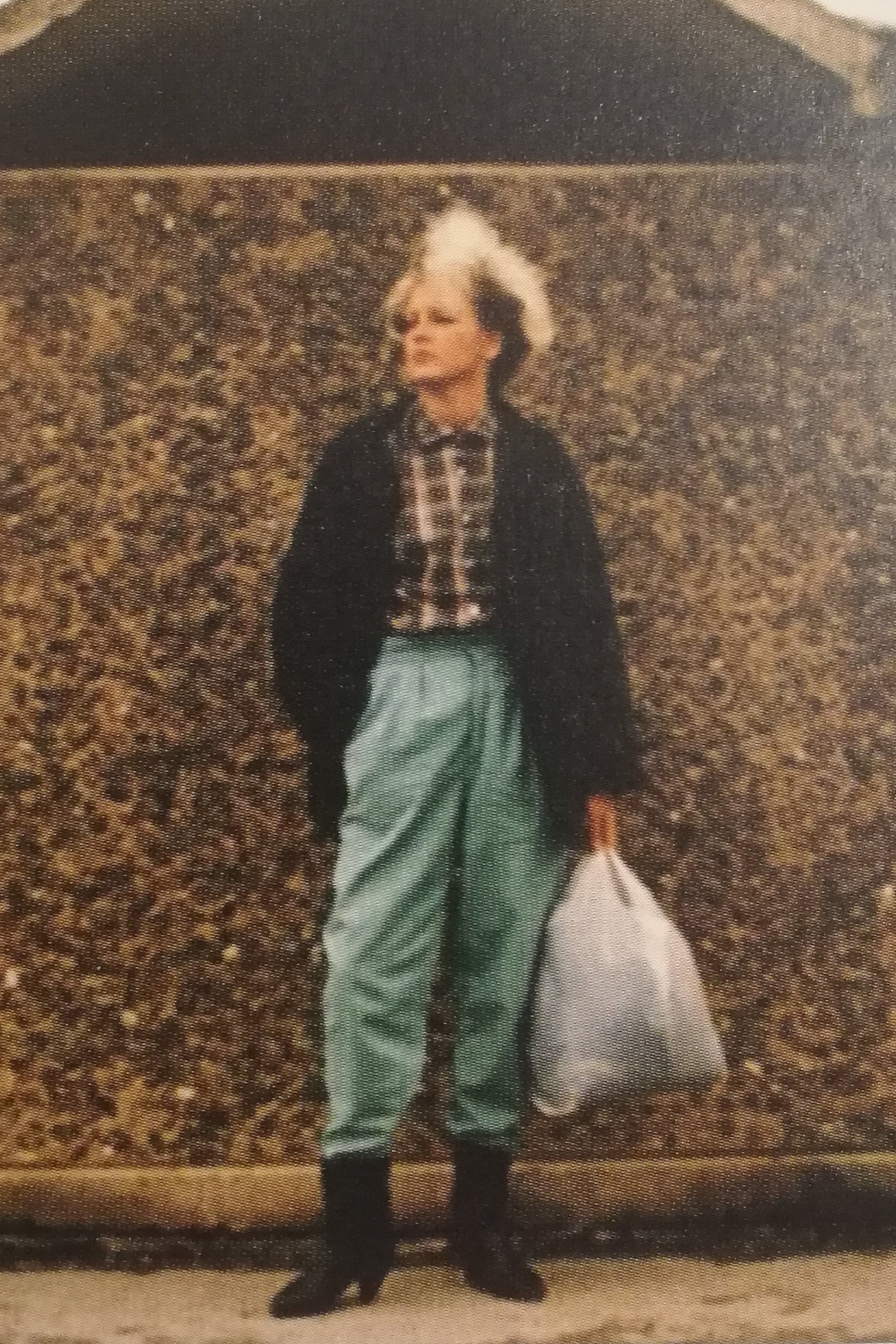
In Paradisum relates two disturbing stories simultaneously. The female narrator tells her personal tale of imprisonment as the wife of the notorious Estonian serial killer, Andreas Hanni. Although her story is bizarre, it touches familiar themes that run throughout modern life: the desire to be loved and the fear of being alone. Pille Hanni's tale unfolds over cinema vérité images of life in several Estonian prisons. At times the images reflect in a literary way the events of the narration, yet they are representations and impressions, rather than traditional documentary style footage of the people involved. This opens the story to a more general interpretation, often with unsettling results. The parallel contents reveal, at two levels of story and social organisation, how the bizarre and inhuman can be tolerable and even addictive in the face of our fears.




No cast information.
Similar Movies
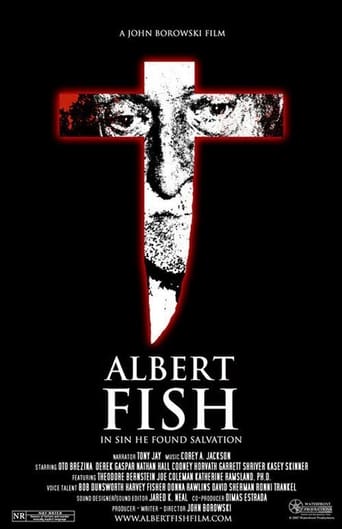
Albert Fish, the horrific true story of elderly cannibal, sadomasochist, and serial killer, who lured children to their deaths in Depression-era New York City. Distorting biblical tales, Albert Fish takes the themes of pain, torture, atonement and suffering literally as he preys on victims to torture and sacrifice.

The documentary, " Death and the Judge", revolves around Iran's most famous criminal judge, Azizmohammadi. He served as a criminal judge for 45 years and issued about 4500 death sentences; a record in not only Iran, but also the world. This documentary looks into his personal and professional life as he is followed within his home with his family, in the court of law, and in his retirement days. The ultimate purpose of the documentary is to deduce the role of death in the judge's life as he either takes life away from criminals or death comes to his loved ones. During his retirement, he is once again given the choice between the life and death of a person, despite no longer being a judge.
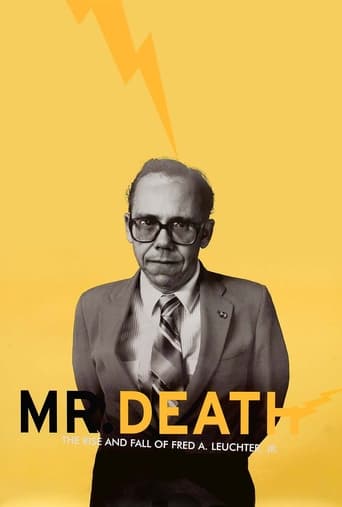
Documentary filmmaker Errol Morris investigates the case of a man who became an authority on capital punishment, but was discredited when he got involved on the wrong side of a court case. Leuchter, a meek man whose appearance belies his grim expertise, develops what he says is a more effective electric chair. Before long he's in demand from officials who want his opinions on other kinds of execution. But when called to aid the case of an accused Holocaust denier, Leuchter's problems begin.

During a three-month period in 1888, a knife-wielding serial killer murdered six women on the streets of Whitechapel. Their throats were cut and their bodies horribly mutilated. He was never caught and his identity remains one of the world's greatest crime mysteries. In the years that have passed since Jack the Ripper's killing spree, many high-profile suspects have been suggested, yet the fact remains that none of them can be placed at any of the crime scenes. Now, journalist Christer Holmgren believes that he has found a suspect who can not only be linked directly to one of the murders but also whose daily routine could be consistent with all the other deaths
Jack the Ripper was a prince, a pauper, a mason, a madman... A host of more and more bizarre theories have surrounded the unexplained killings in Whitechapel since they hit the headlines in 1888. This film dispels the grisly fiction, revealing for the first time the true contents of the police and Home Office files on the case, drawing on the expertise of historians and of those who have encountered today's killers - on the street or behind bars.
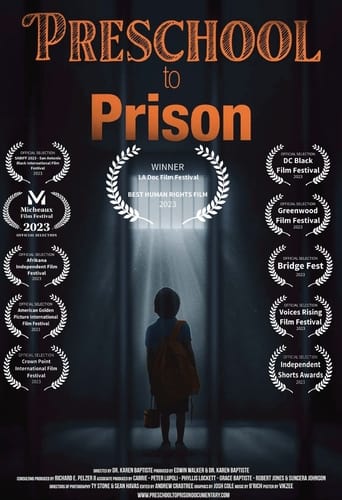
Preschool to Prison is a compelling examination of how the United States public school system is built and operated like prisons. Zero-tolerance policies are used to justify suspension and arrests that set up a pathway to send children of color and children with special needs from school to prison. Children are being suspended, restrained, dragged, physically manhandled, and subsequently arrested for minor offenses such as throwing candy on a school bus. These personal accounts from people affected by the school-to-prison pipeline give riveting tales about the generational impact on society.