

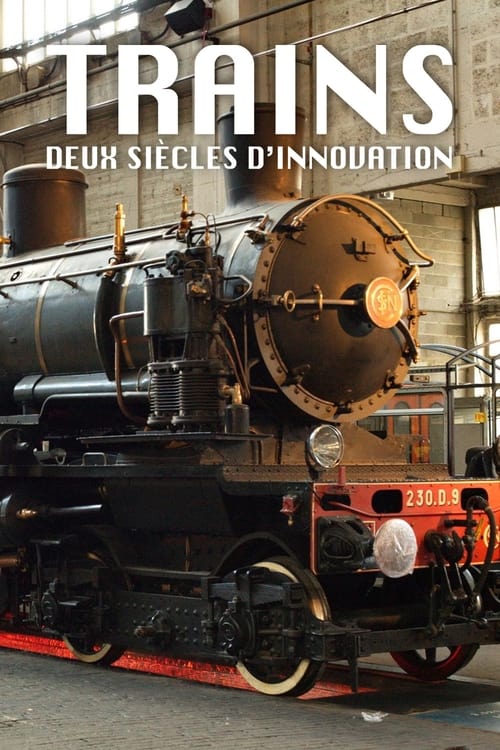
Trains: Two Centuries of Innovation
Documentary · History · TV Movie
Overview
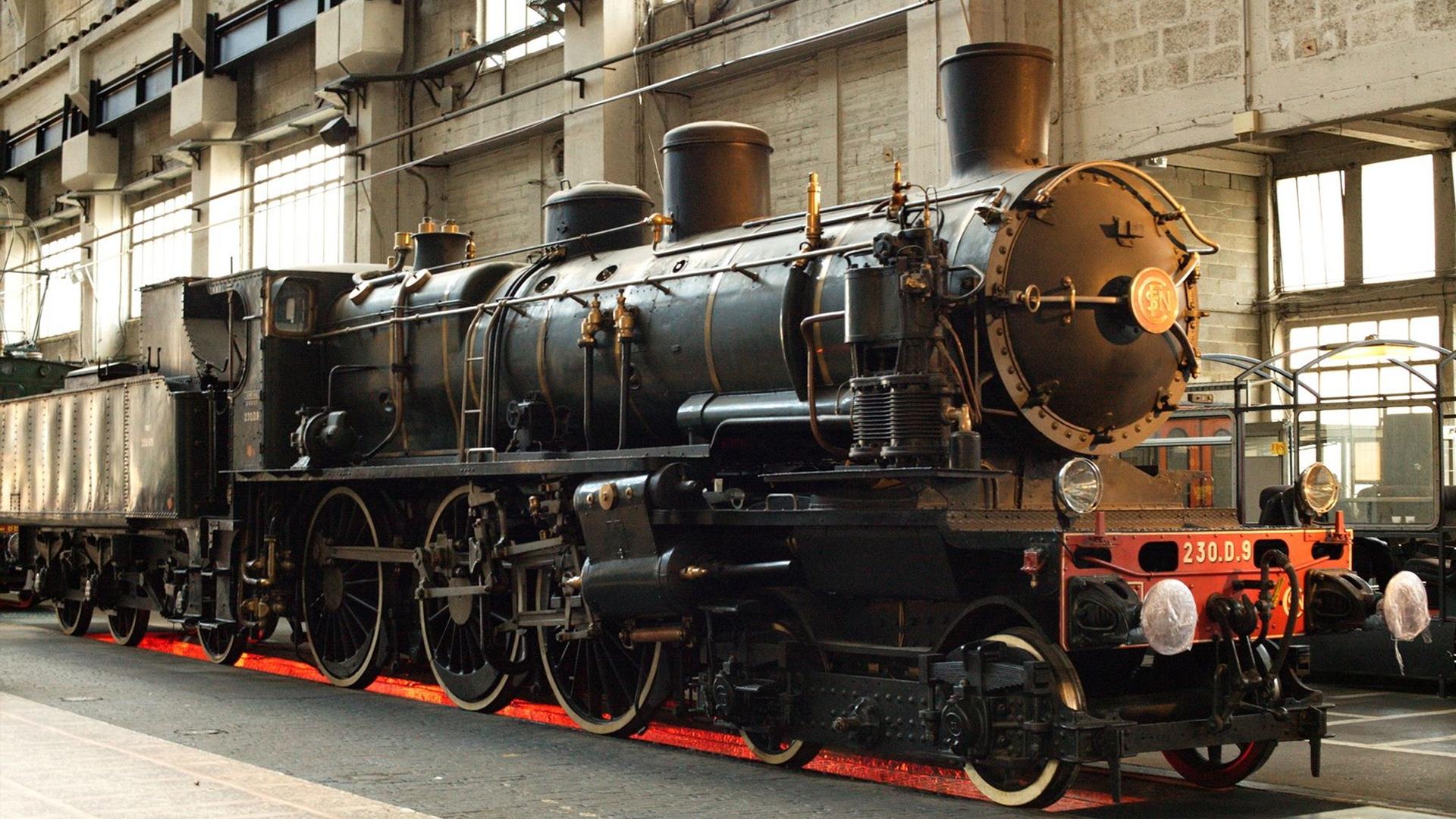
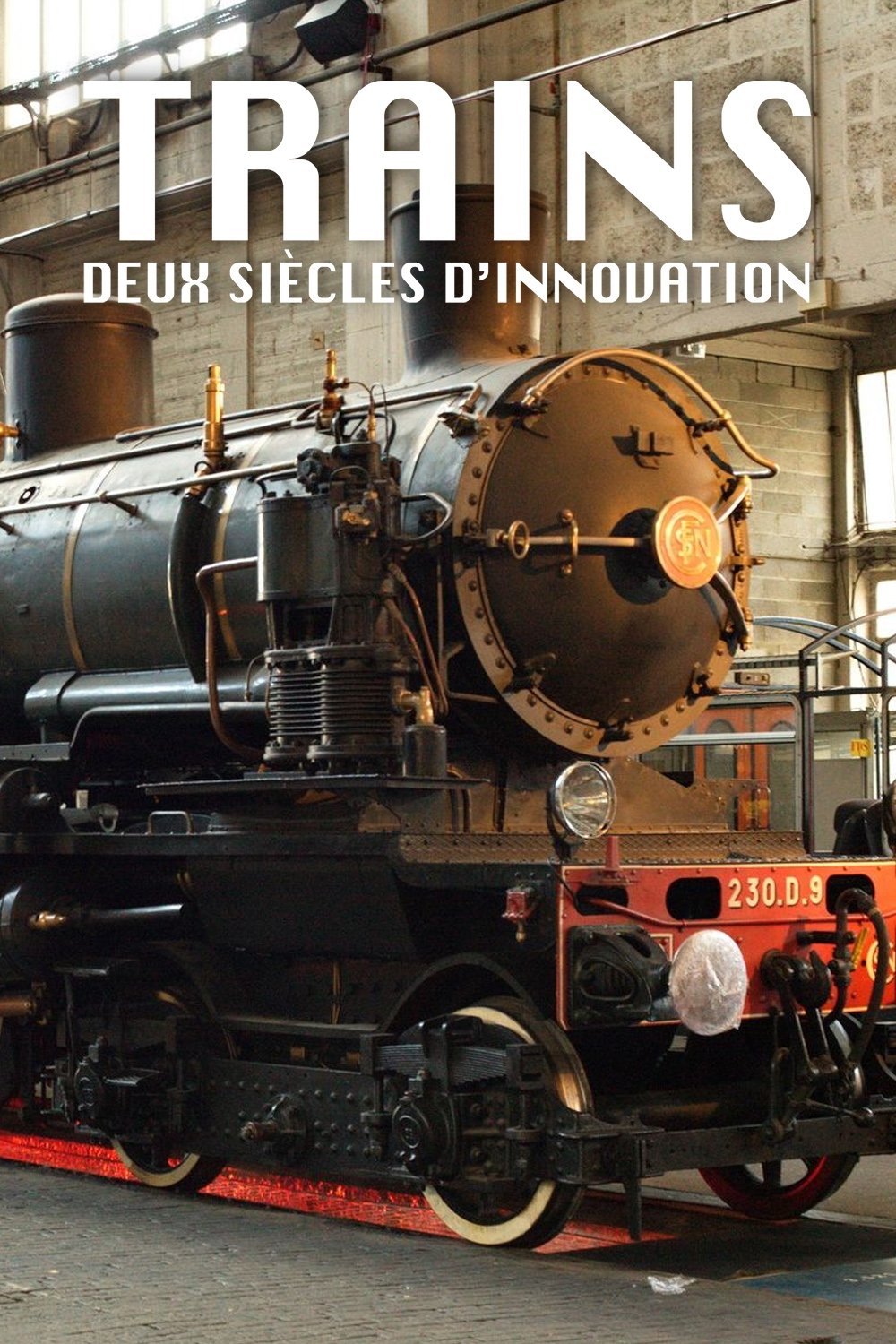
Nearly 200 years ago, the train revolutionized our lives. It redrew the maps of states and nations, and changed concepts of distance and time like no other invention before. What visionaries imagined the development of the railroad? How did we get from the first chugging locomotives to the smooth giants of speed we see today? How does France's extensive rail network keep running smoothly, 24/7?
Top Cast
Cédric Allard
Narrator (voice)

Clive Lamming
Self - Railway historian
Philippe Hérissé
Self - Engineer, train transportation expert
Christophe Keseljevic
Self - Railway expert
Michèle Merger
Self - Researcher and historian

Philippe Mirville
Self - President of the French national railway museum
Laurent Quessette
Self - Jurist, railway expert
Jean-Marie Duthilleul
Self - Architect, train station expert
Jean-Claude Lustyk
Self - TGV driver





Cédric Allard
Cédric Allard
Narrator (voice)
Cédric Allard
Narrator (voice)
Clive Lamming
Clive Lamming
Self - Railway historian
Clive Lamming
Self - Railway historian
Philippe Hérissé
Philippe Hérissé
Self - Engineer, train transportation expert
Philippe Hérissé
Self - Engineer, train transportation expert
Christophe Keseljevic
Christophe Keseljevic
Self - Railway expert
Christophe Keseljevic
Self - Railway expert
Michèle Merger
Michèle Merger
Self - Researcher and historian
Michèle Merger
Self - Researcher and historian
Philippe Mirville
Philippe Mirville
Self - President of the French national railway museum
Philippe Mirville
Self - President of the French national railway museum
Laurent Quessette
Laurent Quessette
Self - Jurist, railway expert
Laurent Quessette
Self - Jurist, railway expert
Jean-Marie Duthilleul
Jean-Marie Duthilleul
Self - Architect, train station expert
Jean-Marie Duthilleul
Self - Architect, train station expert
Jean-Claude Lustyk
Jean-Claude Lustyk
Self - TGV driver
Jean-Claude Lustyk
Self - TGV driver
Similar Movies
A day in the city of Berlin, which experienced an industrial boom in the 1920s, and still provides an insight into the living and working conditions at that time. Germany had just recovered a little from the worst consequences of the First World War, the great economic crisis was still a few years away and Hitler was not yet an issue at the time.
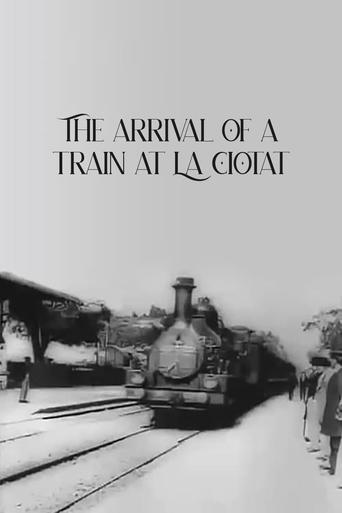
A group of people are standing along the platform of a railway station in La Ciotat, waiting for a train. One is seen coming, at some distance, and eventually stops at the platform. Doors of the railway-cars open and attendants help passengers off and on. Popular legend has it that, when this film was shown, the first-night audience fled the café in terror, fearing being run over by the "approaching" train. This legend has since been identified as promotional embellishment, though there is evidence to suggest that people were astounded at the capabilities of the Lumières' cinématographe.
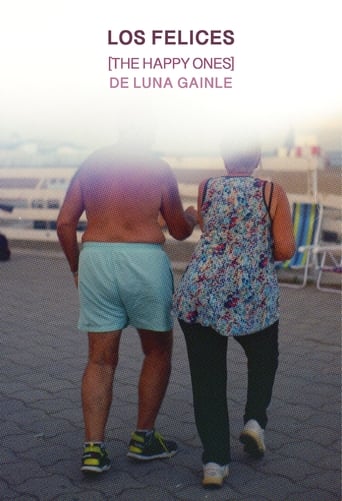
A love letter to Mar del Plata made of images, times and a road trip. "The Happy Ones" is an experimental short documentary composed of past and present family footage. It portrays a place in the summer, the city of Mar del Plata, with a span of 20 years between past and present images (January 2000 and 2020). Despite the time that passed by, it's beaches, essence and people remain, always willing to keep dancing.
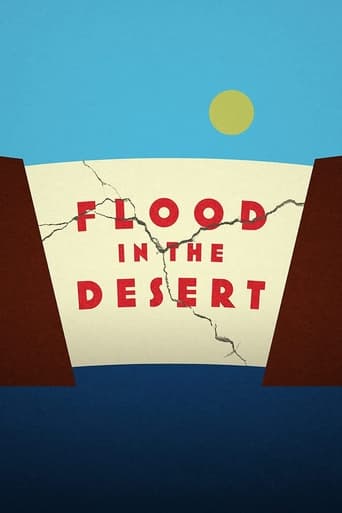
Explore the 1928 collapse of the St. Francis Dam, the second deadliest disaster in California history. A colossal engineering and human failure, the dam was built by William Mulholland, a self-taught engineer who ensured the growth of Los Angeles by bringing the city water via aqueduct. The catastrophe killed more than 400 people and destroyed millions of dollars of property.
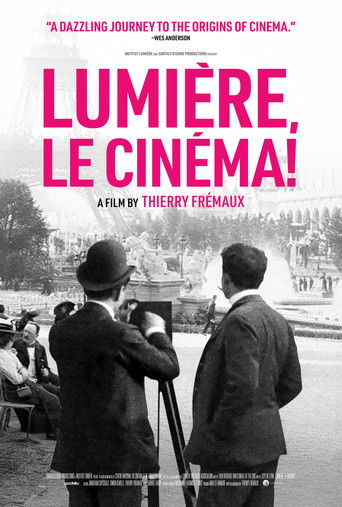
In one of those wonderful coincidences of history, lumière, the French word for “light,” was also the last name of brothers Auguste and Louis, whose brilliant invention, the cinematograph, helped to inaugurate the most beloved art form of the last 130 years. Institute Lumière director Thierry Frémaux uses Lumière, Le Cinema! to guide the viewer through over a hundred shorts—some famous, some forgotten, some never before seen—directed by Lumière and company. In the process, Frémaux illuminates how the brothers employed the camera as a creative instrument as they (and their operators) mastered framing, staging, and subject selection for quotidian and exotic microdocumentaries as well as the first ever fictional motion pictures. The result is not only a glorious re(telling) of the genesis of cinema but a profound meditation on the beautiful world captured—and the mysterious world imagined—by the Lumières.