

Silent Displacement – The Unknown Deportation of Ingria
Documentary
Overview
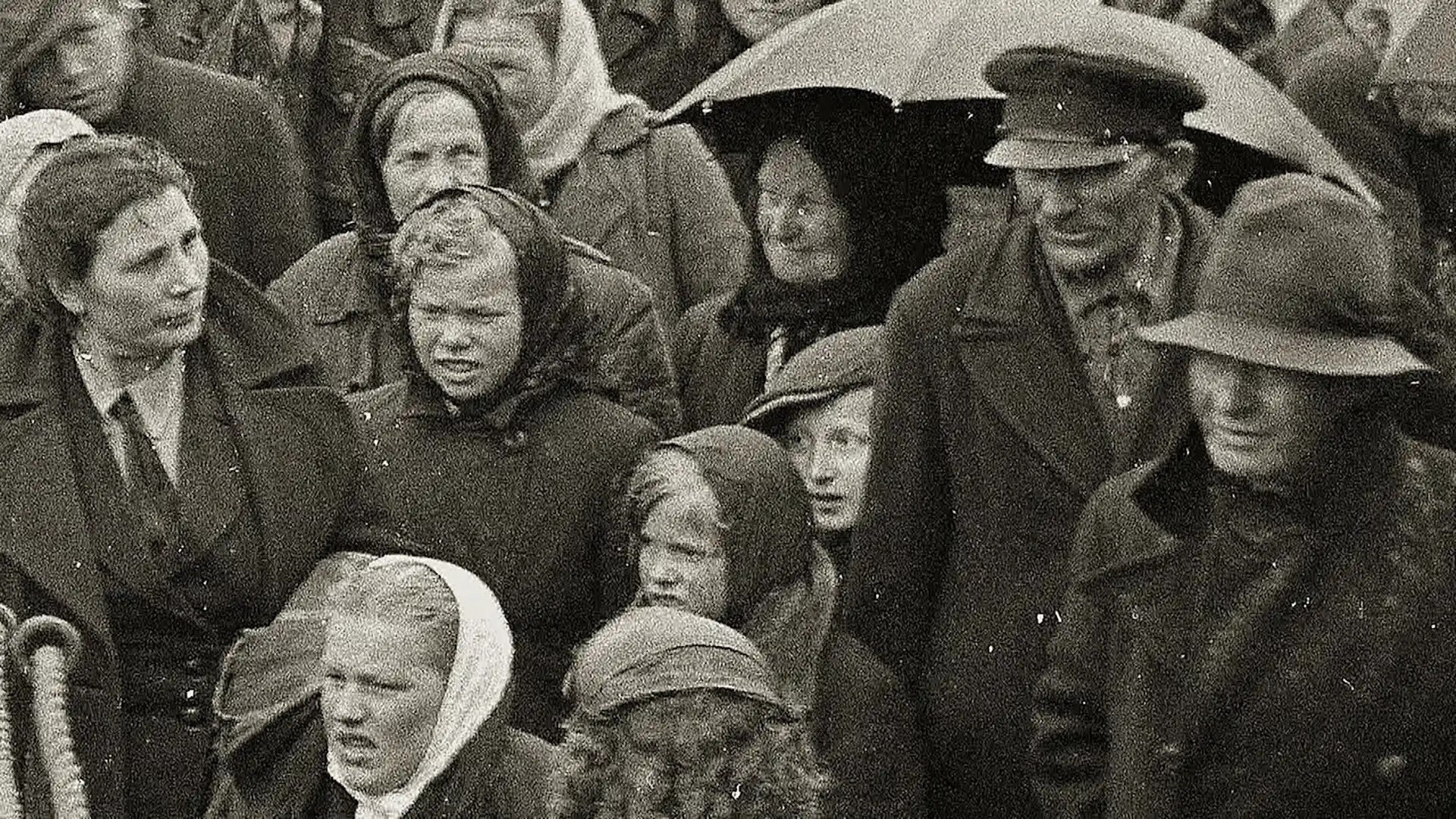
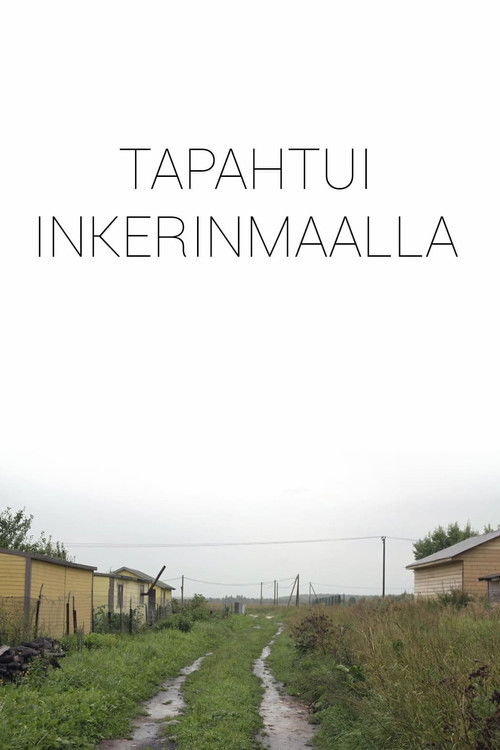
"It Happened in Ingermanland" - about a forgotten people's displacement that took place during the Stalin's reign of terror in the Soviet Union. During the WW2, when the Nazi army arrived in the area of St. Peterburg/Leningrad about 63 000 Ingermanlanders was deported to Finland. In 1946 Stalin wanted them back for his work camps. About 5 000 fled to Sweden and settled there.
Top Cast

Juhani Kustfält
Juhani Kustfält
Juhani Kustfält
Anneli Kustfält
Anneli Kustfält
Narrator
Anneli Kustfält
Narrator
Ensio Hutter
Ensio Hutter
Ensio Hutter
Aino Lehti
Aino Lehti
Aino Lehti
Viktor Soikkeli
Viktor Soikkeli
Viktor Soikkeli
Maria Korkka
Maria Korkka
Maria Korkka
Anna Westerinen
Anna Westerinen
Anna Westerinen
Boris Kransvik
Boris Kransvik
Boris Kransvik
Elvi Laxholm
Elvi Laxholm
Elvi Laxholm
Similar Movies
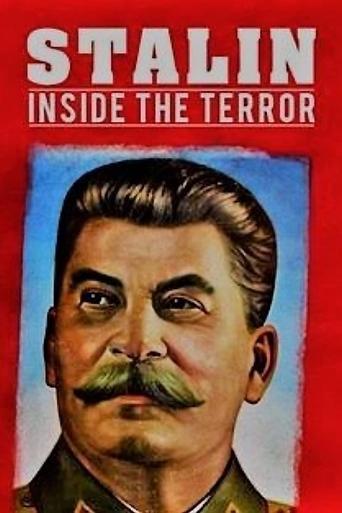
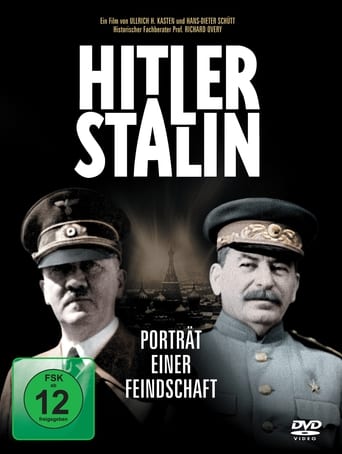
This program is an overview of the life and career of Joseph Stalin. It concentrates on describing and attempting to explain the origins of the policy of “terror” instigated by Stalin as leader of the USSR. There are interviews with surviving family members and experts all of whom attempt some sort of personality “analysis” of the dictator to explain his behaviour and policies. Another question that is examined is, given his record of “terror”, why was he so popular? Why did so many Russians mourn his death in 1953? This could be an overview and introduction to a study of both Stalin and USSR in the post revolution period.

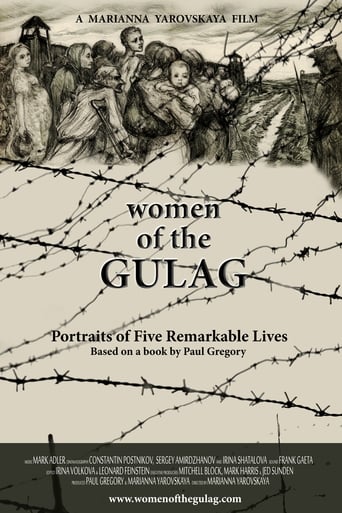
Emmy Awards nominee for "Outstanding Individual Achievement in a Craft: Research: Multi-faceted portrait of the man who succeeded Lenin as the head of the Soviet Union. With a captivating blend of period documents, newly-released information, newsreel and archival footage and interviews with experts, the program examines his rise to power, deconstructs the cult of personality that helped him maintain an iron grip over his vast empire, and analyzes the policies he introduced, including the deadly expansion of the notorious gulags where he banished so many of his countrymen to certain death.
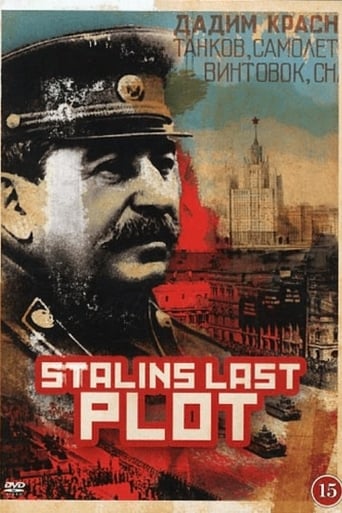
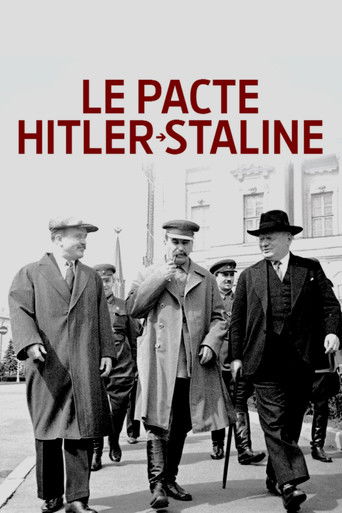
January 1953: On the eve of his death Stalin finds himself yet another imaginary enemy: Jewish doctors. He organizes the most violent anti-Semitic campaign ever launched in the USSR, by fabricating the "Doctors' Plot," whereby doctors are charged with conspiring to murder the highest dignitaries of the Soviet Regime. Still unknown and untold, this conspiracy underlines the climax of a political scheme successfully masterminded by Stalin to turn the Jews into the new enemies of the people. It reveals his extreme paranoia and his compulsion to manipulate those around him. The children and friends of the main victims recount for the first time their experience and their distress related to these nightmarish events.
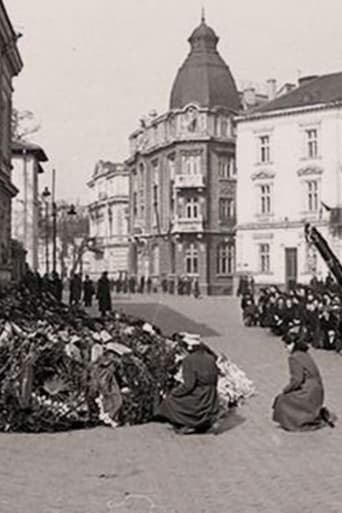
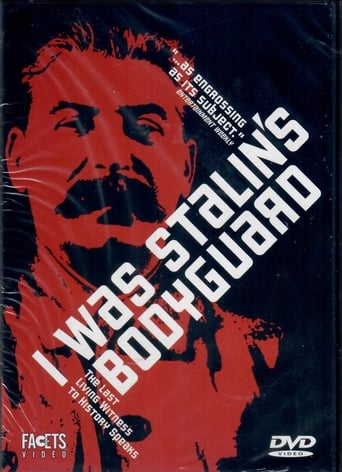
A film about the dramatic and extraordinary fate of the lonely man who confronted the meat grinder of the communist regime. Georgy Konstantinov, 19 years old, blew up Stalin's monument in Sofia and death passed him by only because the dictator died two days later. He miraculously survived 10 years in prison and psychiatric wards and managed to escape to France. His State Security file numbers more than 40,000 pages. Even today, he does not cease to expose the crimes of the regime with the strength of truth and of his character.
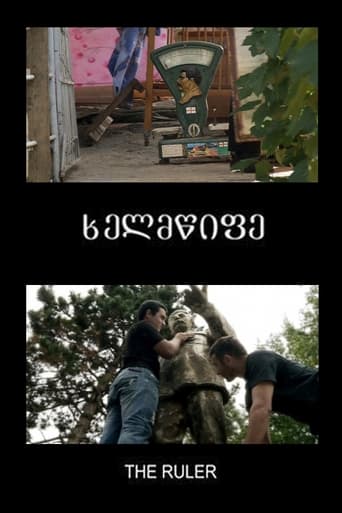
Stalin’s statue in the garden of a nunnery provokes discussion – plenty of it – in a small Georgian village. Some of the locals used to know Stalin personally because he visited the village several times when he was young, and they continue to see him as a benign ruler from the good old days rather than the brutal dictator he was. Whenever an episode of purge shook the Soviet Union’s republics, they hid the statue in the woods. The church also plays an important role in people’s lives. All in all, the film reveals a fundamental conflict in Georgian society.