

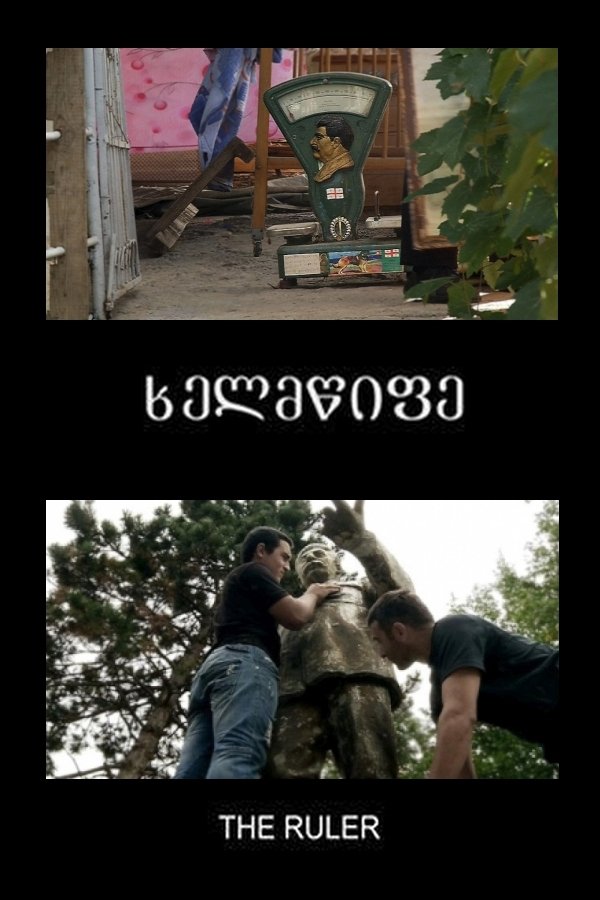
The Ruler
Documentary · History
Overview
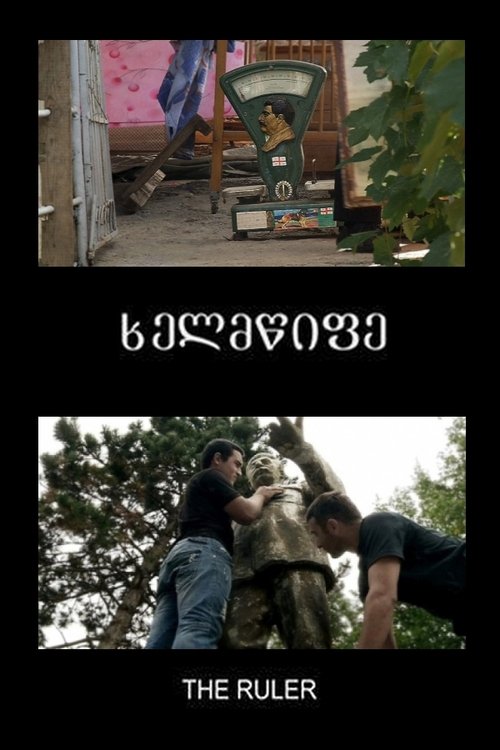
Stalin’s statue in the garden of a nunnery provokes discussion – plenty of it – in a small Georgian village. Some of the locals used to know Stalin personally because he visited the village several times when he was young, and they continue to see him as a benign ruler from the good old days rather than the brutal dictator he was. Whenever an episode of purge shook the Soviet Union’s republics, they hid the statue in the woods. The church also plays an important role in people’s lives. All in all, the film reveals a fundamental conflict in Georgian society.




No cast information.
Similar Movies
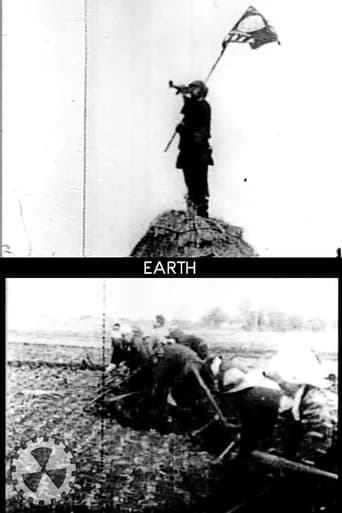
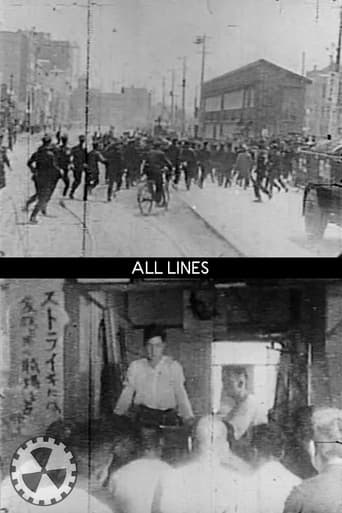
A main agenda of the prewar farmer's movement was struggle against landowners. Prokino also considered this as their prime concern. The main title sequence and the latter part of the film have unfortunately been lost. While we cannot see its entire structure, we can still get a glimpse of it from this surviving short.
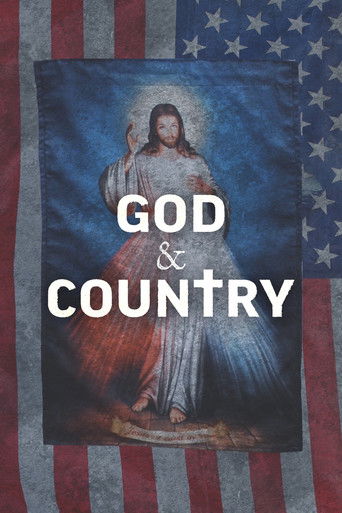
Examines the implications of Christian Nationalism, how it distorts not only our constitutional republic, but Christianity itself, and asks the question: What happens when a faith built on love, sacrifice, and forgiveness grows political tentacles, conflating power, money, and belief into hyper-nationalism?
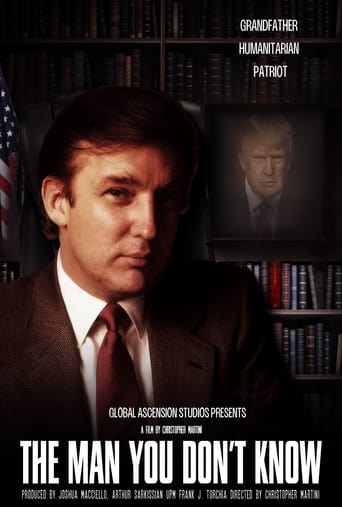
An insightful documentary that offers a comprehensive exploration of the lesser-known facets of Donald J. Trump. "The Man You Don’t Know" features interviews with prominent figures, including Donald Jr., Kimberly Guilfoyle, Eric and Lara, and granddaughter Kai. Their candid reflections, combined with perspectives from long-time friends, business partners, and notable personalities such as Hulk Hogan and Kyle Forgeard of the Nelk Boys, provide an intimate glimpse into Trump’s character. The documentary will also highlight stories from everyday Americans who have felt the impact of Trump's generosity.
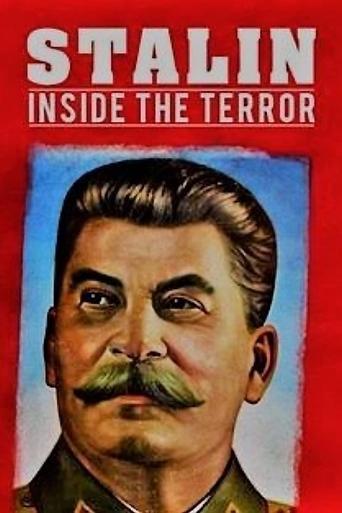
This program is an overview of the life and career of Joseph Stalin. It concentrates on describing and attempting to explain the origins of the policy of “terror” instigated by Stalin as leader of the USSR. There are interviews with surviving family members and experts all of whom attempt some sort of personality “analysis” of the dictator to explain his behaviour and policies. Another question that is examined is, given his record of “terror”, why was he so popular? Why did so many Russians mourn his death in 1953? This could be an overview and introduction to a study of both Stalin and USSR in the post revolution period.