

Reformation: Europe's Holy War
Documentary · History
Overview
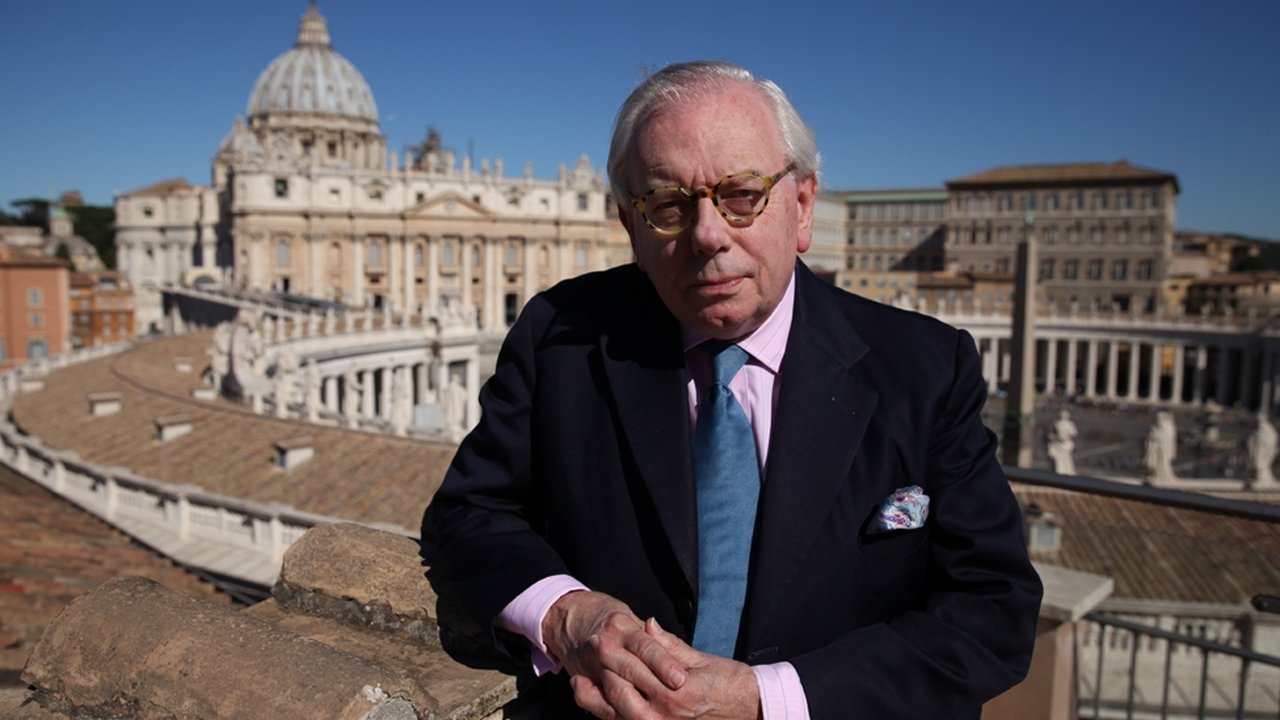
Historian David Starkey tells the story of the Protestant Reformation and how it transformed the face of modern Europe, unleashing fundamentalism, terror and religious violence.
Top Cast
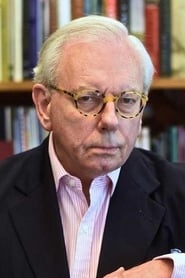
David Starkey
David Starkey
Himself - Presenter
David Starkey
Himself - Presenter
Similar Movies
Tour of the White House with Mrs. John F. Kennedy was a television special featuring the First Lady of the United States, Jacqueline Kennedy on a tour of the recently renovated White House. It was broadcast on Valentine's Day, February 14, 1962, on both CBS and NBC, and broadcast four days later on ABC. The program was the first ever First Lady televised tour of the White House, and has since been considered the first prime-time documentary specifically designed to appeal to a female audience.
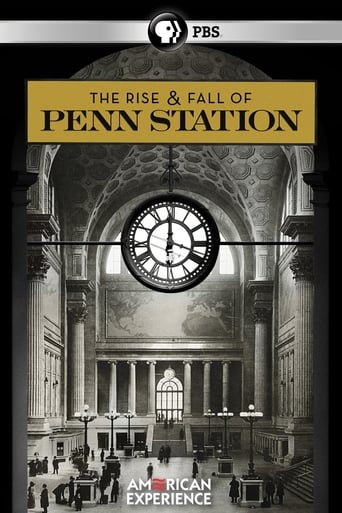
In 1910, the Pennsylvania Railroad successfully accomplished the enormous engineering feat of building tunnels under New York City's Hudson and East Rivers, connecting the railroad to New York and New England, knitting together the entire eastern half of the United States. The tunnels terminated in what was one of the greatest architectural achievements of its time, Pennsylvania Station. Penn Station covered nearly eight acres, extended two city blocks, and housed one of the largest public spaces in the world. But just 53 years after the station’s opening, the monumental building that was supposed to last forever, to herald and represent the American Empire, was slated to be destroyed.

In Uganda, AIDS-infected mothers have begun writing what they call Memory Books for their children. Aware of the illness, it is a way for the family to come to terms with the inevitable death that it faces. Hopelessness and desperation are confronted through the collaborative effort of remembering and recording, a process that inspires unexpected strength and even solace in the face of death.
The Castro revolution was just consolidating its power when, in 1961, over 100,000 students were sent from their schools into the countryside to teach the peasants there how to read. Coinciding with the Bay of Pigs invasion, in this docudrama, 15-year-old Mario (Salvador Wood) has come to a tiny village in the Zapata swamps and gradually wins the villagers over to his task. At the same time, he receives an education in the realities of rural life from the hard-working peasants.
For two hundred years, the Shakers have been America's most successful utopian society. While seeking harmony, order and perfection in every aspect of their lives, they built minimalistic furniture and buildings that influenced modern design. The Shakers wrote songs of exquisite beauty and danced to the point of ecstasy during their religious meetings. Inspired by this music and dance, choreographer Tero Saarinen created Borrowed Light, a dance piece about communal life and individual sacrifice. Shot in Finland and the United States, featuring interviews and excerpts from Borrowed Light, this documentary explore the cultural legacy of this religious group devoted to creating heaven on earth.
Albert Fish, the horrific true story of elderly cannibal, sadomasochist, and serial killer, who lured children to their deaths in Depression-era New York City. Distorting biblical tales, Albert Fish takes the themes of pain, torture, atonement and suffering literally as he preys on victims to torture and sacrifice.
Follows the waves of literary, political, and cultural history as charted by the The New York Review of Books, America’s leading journal of ideas for over 50 years. Provocative, idiosyncratic and incendiary, the film weaves rarely seen archival material, contributor interviews, excerpts from writings by such icons as James Baldwin, Gore Vidal, and Joan Didion along with original verité footage filmed in the Review’s West Village offices.
At the peak of Perestroika, in 1987, in the village of Gorki, where Lenin spent his last years, after a long construction, the last and most grandiose museum of the Leader was opened. Soon after the opening, the ideology changed, and the flow of pilgrims gradually dried up. Despite this, the museum still works and the management is looking for ways to attract visitors. Faithful to the Lenin keepers of the museum as they can resist the onset of commercialization. The film tells about the modern life of this amazing museum-reserve and its employees.
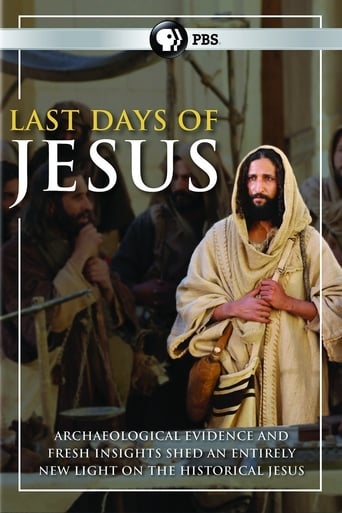
For almost two thousand years, the story of Jesus’ final days has been celebrated by Christians the world over. From Jesus’ triumphant entry into Jerusalem, through to his eventual crucifixion six days later, the key moments have been immortalized in countless films, pieces of music, and works of art. But in recent years, some historians have begun to question inconsistencies in the Gospels’ version of events. They believe that the Gospels could hide a very different story; one that casts the historical Jesus in an entirely new light. Based on a new interpretation of contemporary historical events in Rome, "Last Days of Jesus" peels back thousands of years of tradition, to explore a new political context to the events in Jerusalem. "Last Days of Jesus" explores how dramatic political events in Rome could have played a crucial role in shaping Jesus’ destiny, and examines an extraordinary political alliance that altered the course of history.