

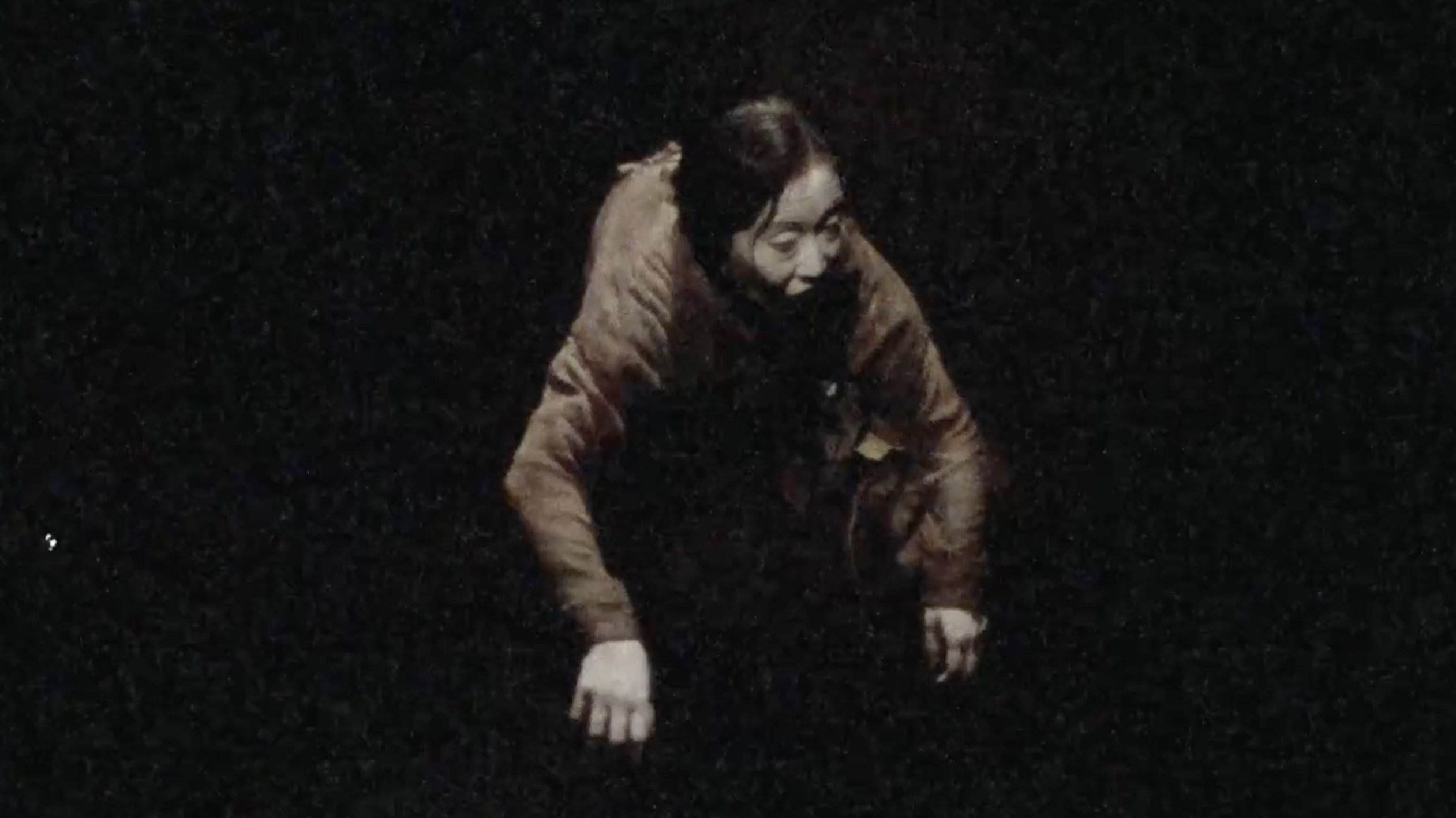

Butoh: Body on the Edge of Crisis
Documentary
Overview
"Butoh: Body on the Edge of Crisis" is a visually striking film portrait shot on location in Japan with the participation of the major Butoh choreographers and their companies. Although Butoh is often viewed as Japan's equivalent of modern dance, in actuality it has little to do with the rational principles of modernism. Butoh is a theater of improvisation which places the personal experiences of the dancer on center-stage. By reestablishing the ancient Japanese connection of dance, music, and masks, and by recalling the Buddhist death dances of rural Japan, Butoh incorporates much traditional theater. At the same time, it is a movement of resistance against the abandonment of traditional culture to a highly organized consumer-oriented society.




Yoko Ashikawa
Yoko Ashikawa
Herself - Interviewee
Yoko Ashikawa
Herself - Interviewee
Akiko Motofuji
Akiko Motofuji
Herself - Interviewee
Akiko Motofuji
Herself - Interviewee
Nario Goda
Nario Goda
Himself
Nario Goda
Himself
Tatsumi Hijikata
Tatsumi Hijikata
Himself
Tatsumi Hijikata
Himself
Yukio Waguri
Yukio Waguri
Himself
Yukio Waguri
Himself
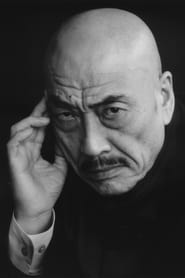
Akaji Maro
Akaji Maro
Himself
Akaji Maro
Himself
Natsu Nakajima
Natsu Nakajima
Herself
Natsu Nakajima
Herself
Sanae Hiruta
Sanae Hiruta
Herself
Sanae Hiruta
Herself
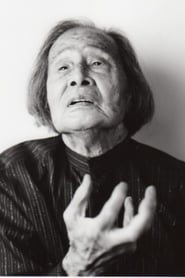
Kazuo Ohno
Kazuo Ohno
Himself
Kazuo Ohno
Himself

Min Tanaka
Min Tanaka
Himself
Min Tanaka
Himself
Similar Movies
For two hundred years, the Shakers have been America's most successful utopian society. While seeking harmony, order and perfection in every aspect of their lives, they built minimalistic furniture and buildings that influenced modern design. The Shakers wrote songs of exquisite beauty and danced to the point of ecstasy during their religious meetings. Inspired by this music and dance, choreographer Tero Saarinen created Borrowed Light, a dance piece about communal life and individual sacrifice. Shot in Finland and the United States, featuring interviews and excerpts from Borrowed Light, this documentary explore the cultural legacy of this religious group devoted to creating heaven on earth.

A love letter to Mar del Plata made of images, times and a road trip. "The Happy Ones" is an experimental short documentary composed of past and present family footage. It portrays a place in the summer, the city of Mar del Plata, with a span of 20 years between past and present images (January 2000 and 2020). Despite the time that passed by, it's beaches, essence and people remain, always willing to keep dancing.
After celebrated careers , legendary dancers Marge Champion and Donald Saddler became friends while performing together in the Broadway Show Follies (2001) . When the show closed, they decided to rent a private studio together where they have been choreographing and rehearsing original dances ever since. They are both 90 years old. KEEP DANCING seamlessly blends 9 decades of archival film and photographs with present day footage to tell a story through dance of the passing of time and the process of aging.

The first woman to appear in front of an Edison motion picture camera and possibly the first woman to appear in a motion picture within the United States. In the film, Carmencita is recorded going through a routine she had been performing at Koster & Bial's in New York since February 1890.
The dark sensibilities and cultural resonances of Butoh, the radical Japanese dance movement, are explored in this multilayered work. Profoundly rooted in both traditional and contemporary Japanese culture, Butoh arose in a spirit of revolt in the early 1960s. Characterized by frank sexuality and bodily distortions, Butoh transforms traditional dance movements into new forms, stripping away the taboos of contemporary Japanese culture to reveal a secret world of darkness and irrationality.

The film presents thirteen rhythms of flamenco, each with song, guitar, and dance: the up-tempo bularías, a brooding farruca, an anguished martinete, and a satiric fandango de huelva. There are tangos, a taranta, alegrías, siguiriyas, soleás, a guajira of patrician women, a petenera about a sentence to death, villancicos, and a final rumba.