

Divine Horsemen: The Living Gods of Haiti
Documentary
Overview
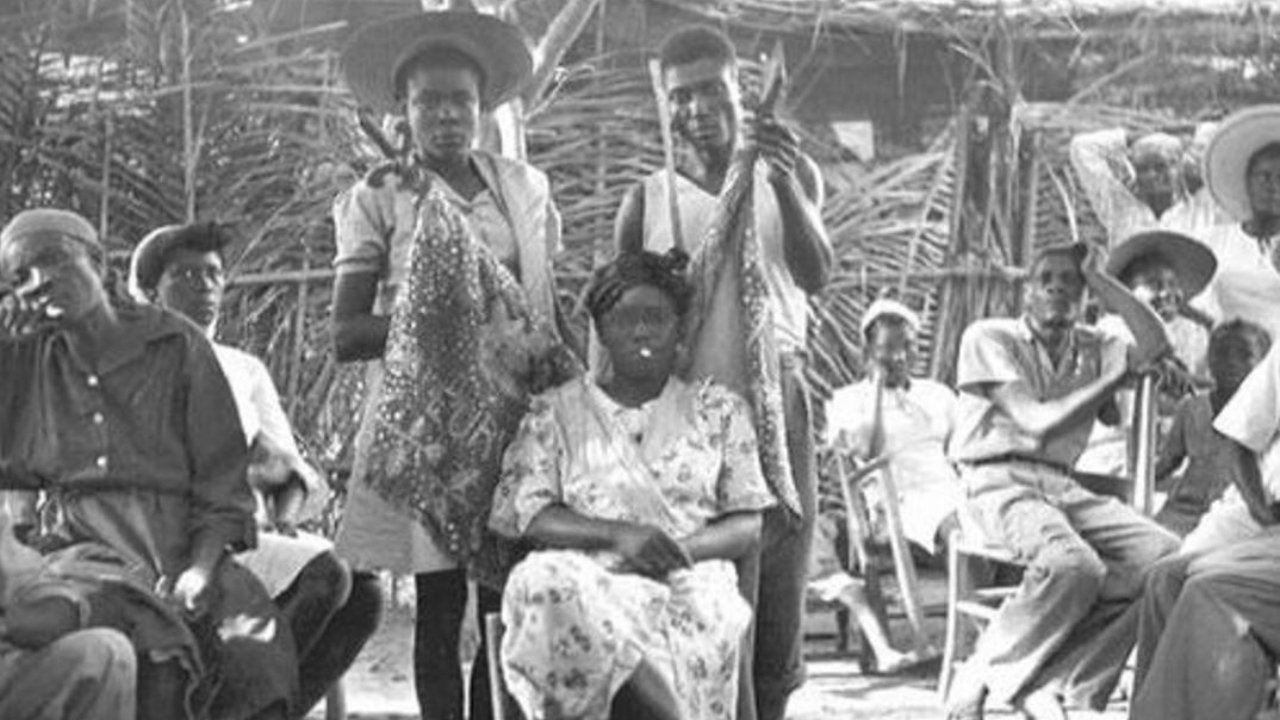
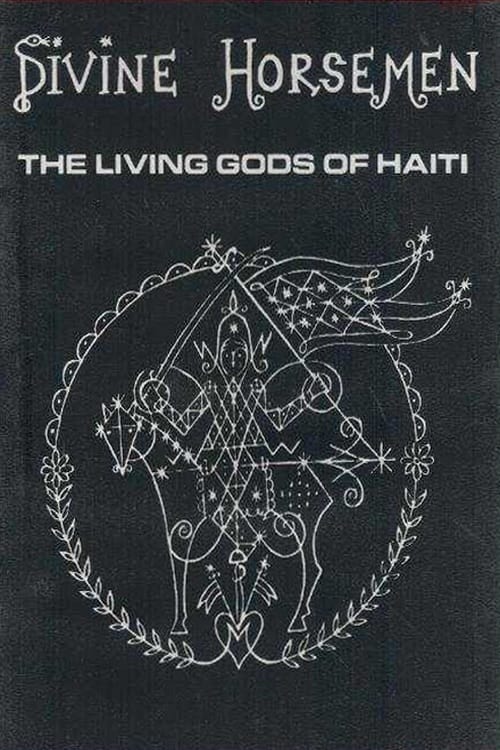
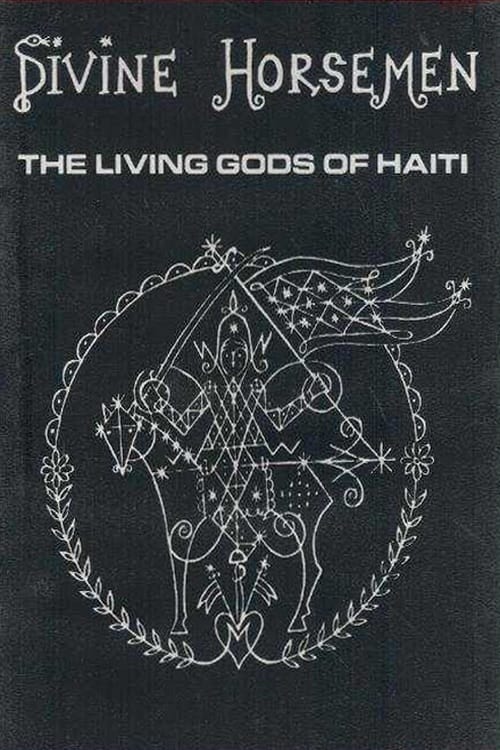
This intimate ethnographic study of Voudoun dances and rituals was shot by Maya Deren during her years in Haiti (1947-1951); she never edited the footage, so this “finished” version was made by Teiji Ito and Cherel Ito after Deren’s death.
Top Cast







John Genke
John Genke
Narrator (voice)
John Genke
Narrator (voice)
Joan Pape
Joan Pape
Narrator (voice)
Joan Pape
Narrator (voice)
Similar Movies

Filmmaker and ex-Church of Jesus Christ of Latter-day Saints member Reed Cowan examines that church's nationwide efforts to prevent the legalization of gay marriage - including California's Proposition 8, which was passed by voters in 2008. Confidential church documents, statements by high-ranking church officials and other sources detail 30 years of efforts to turn back gay rights, particularly by the Mormon-sponsored National Organization for Marriage.
From Belgium, Jialai Wang maintains contact via smartphone and camera with her mother and grandmother in China. When her grandmother’s health deteriorates, Jialai returns to Shanghai, but when she arrives, her grandmother has already died, and she is left alone with her mother. A devout Buddhist, her mother seems to pay more attention to her daily prayers, Maoist past and dog Dongdong than she does to her daughter. She herself had been abandoned as a child by her own mother, when she divorced Jialai’s grandfather and moved to the city.

The movie Okht al-Reza (Reza's sister) narrates the journey of the Lady of Dignity, Hazrat Masoumeh PBUH from Madinah to Qom. While portraying the events of the Prophet's path, her time, Ma'mun's conspiracies and efforts for her martyrdom, the work tries to express a mystical narrative of the character of Hazrat Masoumeh. It deals with the story of this journey, and includes passages about the political and social atmosphere of the time, where the general atmosphere of the storytelling is somewhat close to the documentary.
A document of Tatsumi Hijikata's Butoh dance with Kazuo Ohno as the guest dancer shot in Hijikata's early period when he was emerging as the originator of Butoh. All of the male dancers are dressed up with evening suits and move gracefully, yet an intruder breaks up the whole scene abruptly. The film is worth seeing, even if just to see a memorable gay duet of Hijikata and Ohno. Overexposed, washed out images are sandwiched among normal ones.