

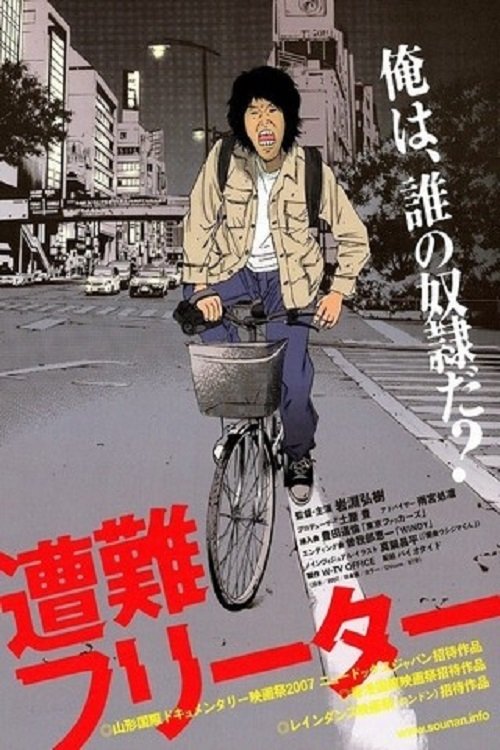
A Permanent Part-Timer in Distress
Documentary
Overview
The director, twenty-three-year-old Iwabuchi Hiroki, is a permanent part-timer who on weekdays does menial work at a factory for 1,250 yen an hour, and on weekends takes on casual temporary work in Tokyo, a city he is fascinated with. He joins a demonstration demanding rights for permanent part-timers, and is featured on TV as "a poor, unhappy temporary worker." Despite having made his own choice to live as a permanent part-timer, he says that "the days feel like drowning in shallow water." But during the diary-like documentation of his life, something changes...
Top Cast



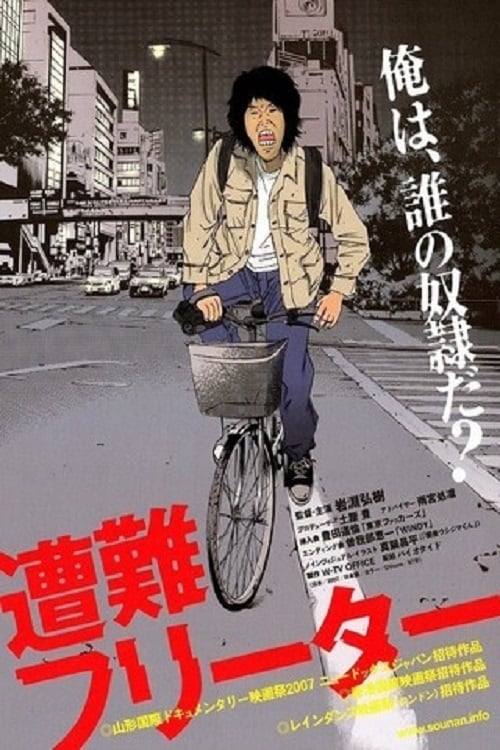
Hiroki Iwabuchi
Hiroki Iwabuchi
Hiroki Iwabuchi
Similar Movies
Three women share their experience of navigating the app-world in the metro city. The sharings reveal gendered battles as platform workers and the tiresome reality of gig-workers' identities against the absent bosses, masked behind their apps. Filmed in the streets of New Delhi, the protagonists share about their door-to-door gigs, the surveillance at their workplaces and the absence of accountability in the urban landscape.

For decades, migrant workers have worked the fields of Immokalee, harvesting tomatoes, peppers, eggplants, oranges and other produce that is then shipped across the United States of America. Many of the workers are undocumented, and attempting to keep their jobs even as federal migration crackdowns hover over the town. The Fields of Immokalee film follows the daily lives of tomato workers, from the 5:00am trips to the parking lot in hopes of finding day labor, to work sessions in the scorching mid-day heat, to child detention centers for migrant youth that have been separated from their families. Via these vignettes, the film offers insight into the most volatile political issue of our time.
Gurwinder comes from Punjab, he’s been working for years as a farm hand in Agro Pontino, not far from Rome. Since he first came in Italy, he’s been living with the rest of the Sikh community in Latina province. Hardeep is also Indian, but her stress is Roman, and she works as a cultural mediator. She, born and raised in Italy, is trying to free herself from the memories of a family that emigrated in another age, while he is forced, against his faith, to take methamphetamine and doping to bear the heavy work pace, to be able to send money in India.
Emma Freese is desperate when her husband Alfred falls ill at the Howaldtswerke in Kiel. How is the family supposed to get by without their wages? The war has scarred this generation, but now things are supposed to be looking up. The workers want their fair share and are fighting for an income that also gives them room to live. In October 1956, 34,000 metalworkers in the shipyards and factories of Schleswig-Holstein walk off the job to fight for justice and their dignity. This strike is still regarded as the toughest and longest in Germany. Employers and politicians stand in the strikers' way.
The film follows two colourful labour brokers, young Toon and old Toon. They speak candidly about their dubious practices and come across as surprisingly likeable. Yes, they profit from exploiting workers — but those workers are often more than willing to go along with the system. Ultimately, De koppelbazen asks who is truly responsible for these questionable practices.

A mix of Rock and Roll and Blues are the secret for successful rebellion. When I took my camera to the middle of France where the GM&S factory was threatened by a permanent shut down, I felt like something extraordinary was about to take place. And it did. The lyrics were written by workers who have had enough! The tune was composed by people not afraid to go against even the rules of revolt! The volume was loud enough to attract the media. Their working-class concert spread across France like wild fire. I sat out of sight, camera in hand, filming like catching fish in a barrel.
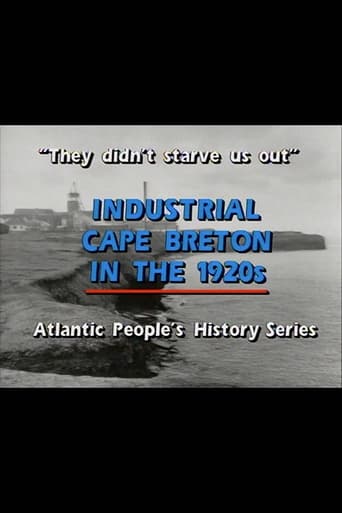
For 200 years, coal mining had been a way of life in Cape Breton. By 1920 things were looking up: miners were unionized and paid decent wages. Then the British Empire Steel Corporation arrived and bought every single steel and coal company in Nova Scotia. BESCO cut wages by a third, setting off a bitter labour dispute. The miners settled in for a long strike. Finally, in 1925, the military ended the unrest with brute force. But the miners, in one sense, had won. They broke up the monopoly and provided an example to workers across the country.
As Yugoslavia begins to unravel, the workers of industrial complex at Rakovica struggle to survive inside a system that once promised dignity and solidarity. Told from their perspective, Žulj (Blister) captures the anger, exhaustion, and disillusionment of a generation abandoned by political elites far removed from working-class life.