


Conversations with Turiansky
Documentary
Overview
Biographical portrait of the labor movement and left wing movement in Uruguay, "Conversations with Turiansky" combines two stories. The first portrays the son of immigrants, the engineer passionate about the mystery of electricity, the man in love, the movie buff. The other places the protagonist in his time: union struggles, the advance of authoritarianism, prison and the challenges of the present. In both are present the lucidity, commitment, discreet tenderness and humor of Wladimir Turiansky.














Wladimir Turiansky
Wladimir Turiansky
Himself
Wladimir Turiansky
Himself
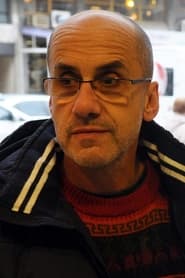
José Pedro Charlo
José Pedro Charlo
Himself
José Pedro Charlo
Himself
Similar Movies
Three women share their experience of navigating the app-world in the metro city. The sharings reveal gendered battles as platform workers and the tiresome reality of gig-workers' identities against the absent bosses, masked behind their apps. Filmed in the streets of New Delhi, the protagonists share about their door-to-door gigs, the surveillance at their workplaces and the absence of accountability in the urban landscape.

The story of Florida gymnast Daiana Casella, who, along with her family and teacher, overcame the obstacles that Down syndrome could put in her way. In addition to her training and preparation for future competitions, Daiana works as an artistic gymnastics teacher for a large number of children with whom she maintains a very special relationship. During the making of the film, Daiana is training for the Berlin 2023 Special Olympics, an event that will conclude her athletic career at the Olympic and world levels.
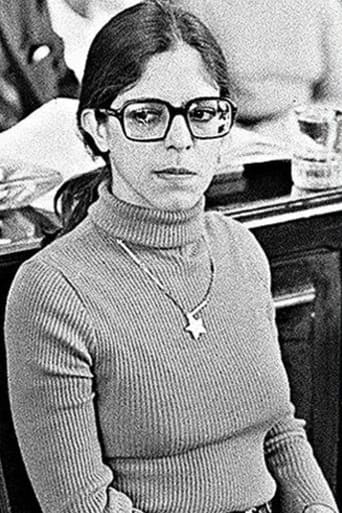
August 29, 1979, Talavera Bruce Penal Institute, Bangu, Rio de Janeiro. After serving eight years in prison, Inês Etienne Romeu, the only survivor of the "House of Death" in Petrópolis and the first political prisoner sentenced to life in prison in Brazil, left prison benefiting from Amnesty. Norma Bengell filmed this moment: from the prison door to her home with her family, Inês was welcomed by family, friends and members of the Brazilian Amnesty Committee, in what marked the first act of the historic denunciation that Inês would carry out against her tormentors and the Military Regime.