

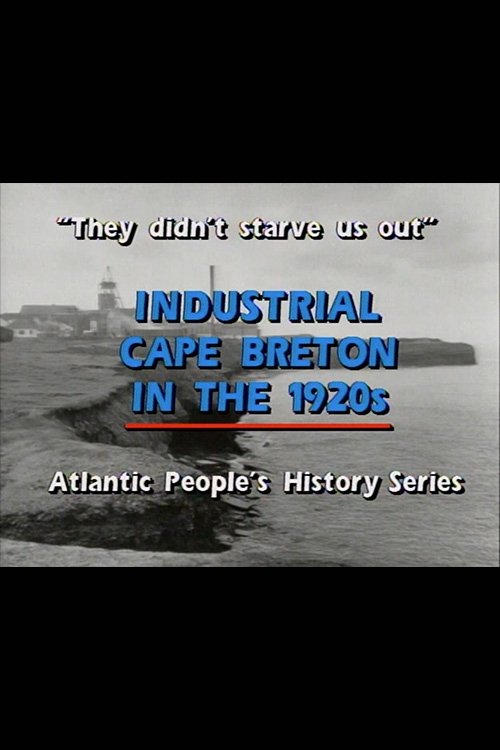
"They Didn't Starve Us Out": Industrial Cape Breton in the 1920s
Documentary · History
Overview
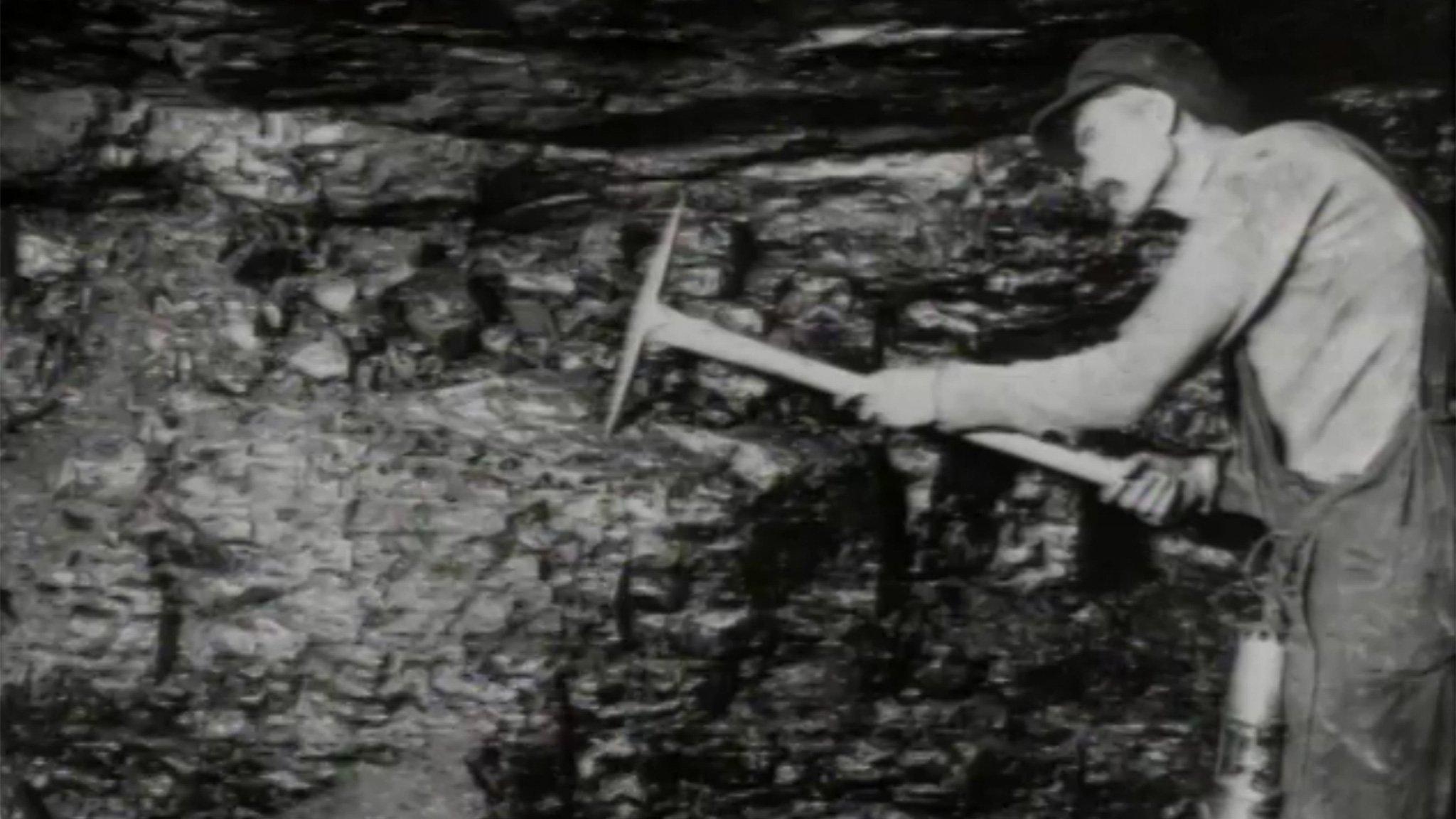
For 200 years, coal mining had been a way of life in Cape Breton. By 1920 things were looking up: miners were unionized and paid decent wages. Then the British Empire Steel Corporation arrived and bought every single steel and coal company in Nova Scotia. BESCO cut wages by a third, setting off a bitter labour dispute. The miners settled in for a long strike. Finally, in 1925, the military ended the unrest with brute force. But the miners, in one sense, had won. They broke up the monopoly and provided an example to workers across the country.
Top Cast




Lulu Keating
Lulu Keating
Narrator (voice)
Lulu Keating
Narrator (voice)
Similar Movies
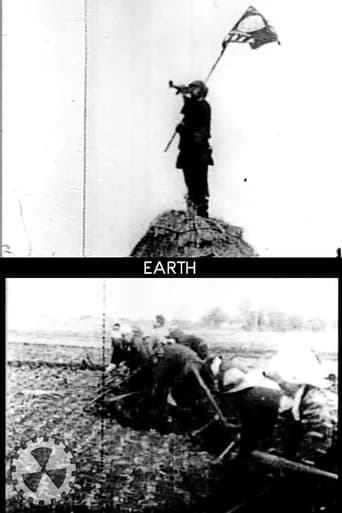
A main agenda of the prewar farmer's movement was struggle against landowners. Prokino also considered this as their prime concern. The main title sequence and the latter part of the film have unfortunately been lost. While we cannot see its entire structure, we can still get a glimpse of it from this surviving short.
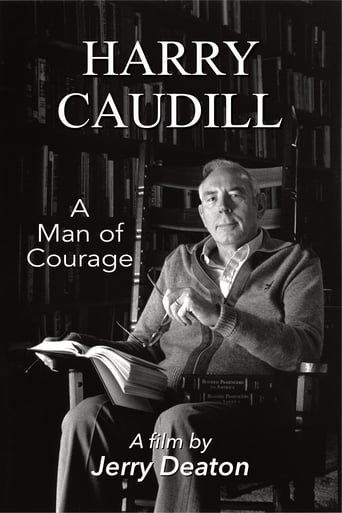
One of the most important Kentuckians of the 20th century, Harry Caudill brought the story of Appalachia to national attention when his book “Night Comes to the Cumberlands” was released in 1963. The nonfiction account of Eastern Kentucky’s coal region, part history and part polemic, eloquently recounted the exploitation of Appalachia’s land and its people by business and government interests, and made Caudill a national spokesperson for his homeland. Harry Caudill spent his life advocating for Eastern Kentucky, with the aim of helping the powerless as well as securing the region’s unmatched natural resources for future generations. His work led to lasting government reforms for Appalachia, and his legacy remains a touchstone for activists today.
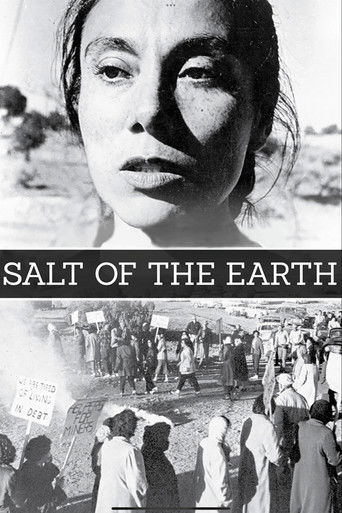
At New Mexico's Empire Zinc mine, Mexican-American workers protest the unsafe work conditions and unequal wages compared to their Anglo counterparts. Ramon Quintero helps organize the strike, but he is shown to be a hypocrite by treating his pregnant wife, Esperanza, with a similar unfairness. When an injunction stops the men from protesting, however, the gender roles are reversed, and women find themselves on the picket lines while the men stay at home.

This film documents the coal miners' strike against the Brookside Mine of the Eastover Mining Company in Harlan County, Kentucky in June, 1973. Eastover's refusal to sign a contract (when the miners joined with the United Mine Workers of America) led to the strike, which lasted more than a year and included violent battles between gun-toting company thugs/scabs and the picketing miners and their supportive women-folk. Director Barbara Kopple puts the strike into perspective by giving us some background on the historical plight of the miners and some history of the UMWA. Preserved by the Academy Film Archive in partnership with New York Women in Film & Television in 2004.