

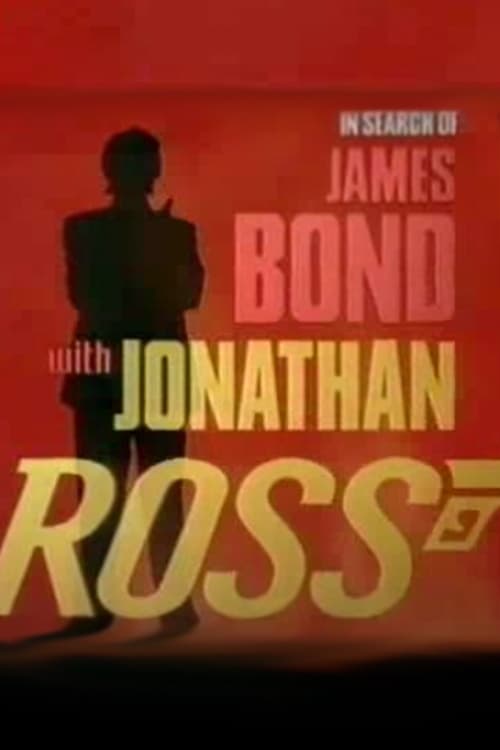
In Search of James Bond with Jonathan Ross
Documentary
Overview
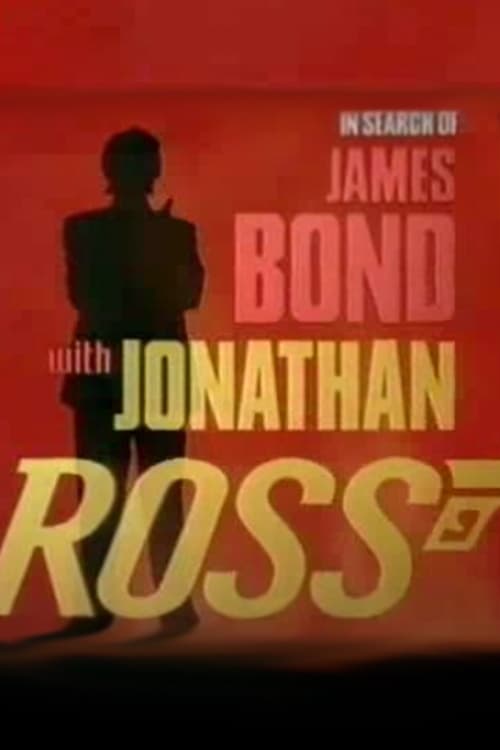
Jonathan Ross delves into the world of James Bond and meets with new and former cast members who reveal humorous stories and anecdotes in a series of interviews. All the 5 Bonds at the time are featured, though only Lazenby (reflecting in the usual frank, self criticizing manner), Moore and Brosnan granted an interview. Connery and Dalton are featured through some unused footage from LWT's 30 years of James Bond program. The ever faithful Desmond Llewelyn turns up in character as well as some other less related peeps like Christopher Lee, Paul McCartney and the ultimate playboy: Hugh Hefner -- who all give an interesting perspective on the worlds most famous spy.
Top Cast

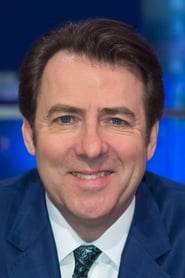
Jonathan Ross
Jonathan Ross
Self
Jonathan Ross
Self
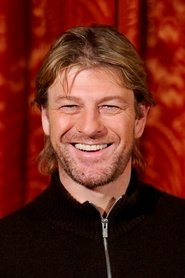
Sean Bean
Sean Bean
Alec Trevelyan
Sean Bean
Alec Trevelyan
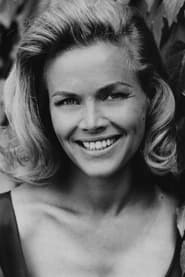
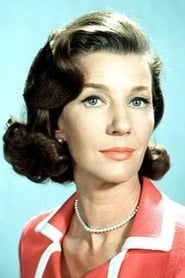
Honor Blackman
Honor Blackman
Self
Honor Blackman
Self
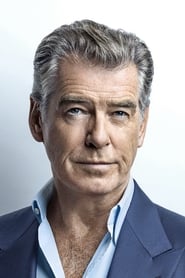
Pierce Brosnan
Pierce Brosnan
Self / James Bond
Pierce Brosnan
Self / James Bond
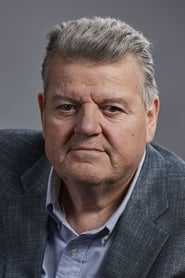
Robbie Coltrane
Robbie Coltrane
Valentin Zukovsky
Robbie Coltrane
Valentin Zukovsky
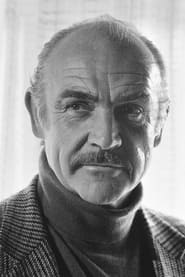
Sean Connery
Sean Connery
Self / James Bond
Sean Connery
Self / James Bond
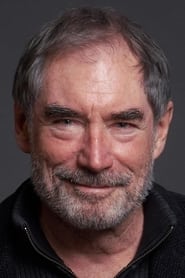
Timothy Dalton
Timothy Dalton
Self / James Bond
Timothy Dalton
Self / James Bond
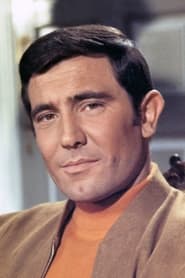
George Lazenby
George Lazenby
Self / James Bond
George Lazenby
Self / James Bond
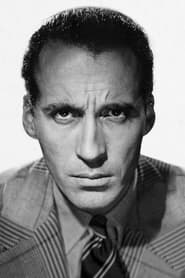
Christopher Lee
Christopher Lee
Self
Christopher Lee
Self
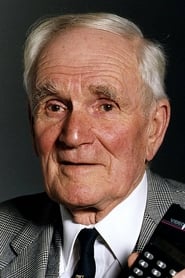
Desmond Llewelyn
Desmond Llewelyn
Q
Desmond Llewelyn
Q
Similar Movies
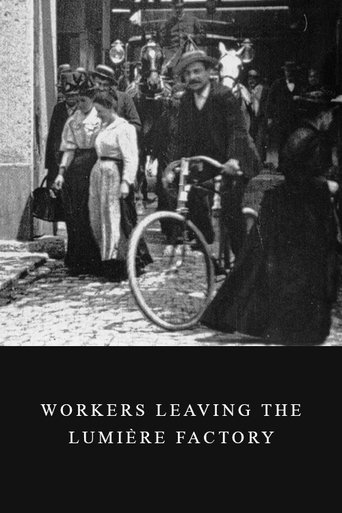
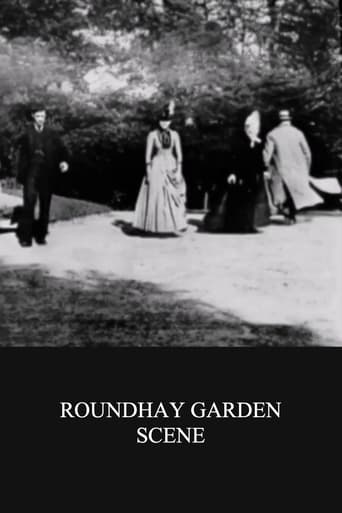
Working men and women leave through the main gate of the Lumière factory in Lyon, France. Filmed on 22 March 1895, it is often referred to as the first real motion picture ever made, although Louis Le Prince's 1888 Roundhay Garden Scene pre-dated it by seven years. Three separate versions of this film exist, which differ from one another in numerous ways. The first version features a carriage drawn by one horse, while in the second version the carriage is drawn by two horses, and there is no carriage at all in the third version. The clothing style is also different between the three versions, demonstrating the different seasons in which each was filmed. This film was made in the 35 mm format with an aspect ratio of 1.33:1, and at a speed of 16 frames per second. At that rate, the 17 meters of film length provided a duration of 46 seconds, holding a total of 800 frames.

This documentary captures the sounds and images of a nearly forgotten era in film history when African American filmmakers and studios created “race movies” exclusively for black audiences. The best of these films attempted to counter the demeaning stereotypes of black Americans prevalent in the popular culture of the day. About 500 films were produced, yet only about 100 still exist. Filmmaking pioneers like Oscar Micheaux, the Noble brothers, and Spencer Williams, Jr. left a lasting influence on black filmmakers, and inspired generations of audiences who finally saw their own lives reflected on the silver screen.
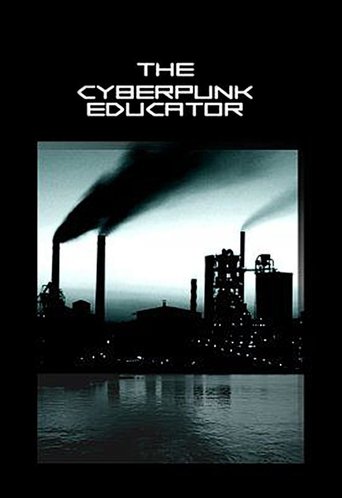
A 2003 documentary study of mainstream Cyberpunk films of the 1980s created by director Andrew J. Holden. The film uses the structure of literary theorist Northrop Frye to describe the common, repeating stories in Western culture, and how Cyberpunk can be defined and understood according to that analysis, with a focus toward American film industry portrayal of race, gender, and government.
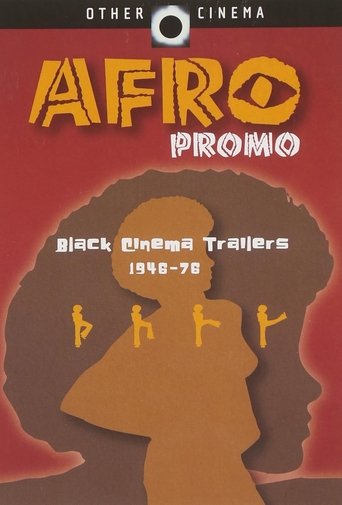
Co-curated by Jenni Olson and the late Black gay activist Karl Knapper, this entertaining showcase of vintage movie trailers traces the evolution of African American cinema through its most crucial period, 1952-1976. Filled with insights on race and social dynamics, this fascinating compendium of coming attractions explores an extensive range of stylistic approaches—Blaxploitation, Comedy, Music Bio, Plantation Drama and more—offering an outrageous joyride through motion picture history. Beyond mere camp, these marvelously condensed gems crystallize a range of African American identities and personalities, tracking the meteoric careers of Sidney Poitier, James Earl Jones, Billy Dee Williams, Richard Pryor, Pam Grier and others through their bold performances in movies both hugely popular and practically forgotten. Afro Promo provides a compact glimpse at the representation of African Americans through twenty-five dynamic years of American cinema history.
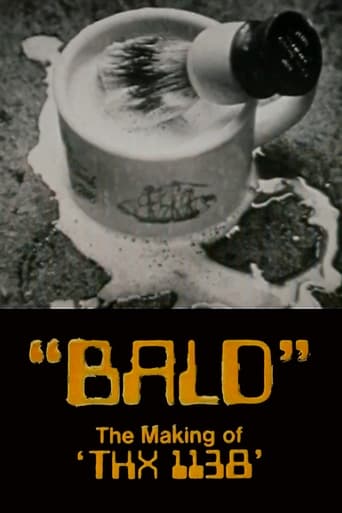
The film features a conversation between Lucas and Francis Ford Coppola, producer of THX 1138. They discuss Lucas' vision for the film, including his ideas about science fiction in general and in particular his concept of the "used future" which would famously feature in his film Star Wars. Intercut with this discussion is footage shot prior to the start of production of THX 1138 showing several of its actors having their heads shaved, a requirement for appearing in the film. In several cases the actors are shown being shaved in a public location. For example, Maggie McOmie is shaved outside the Palace of Fine Arts in San Francisco, while Robert Duvall watches a sporting event as his hair is cut off. Another actor, Marshall Efron, who would later play an insane man in the film, cut off his own hair and was filmed doing so in a bathtub.