

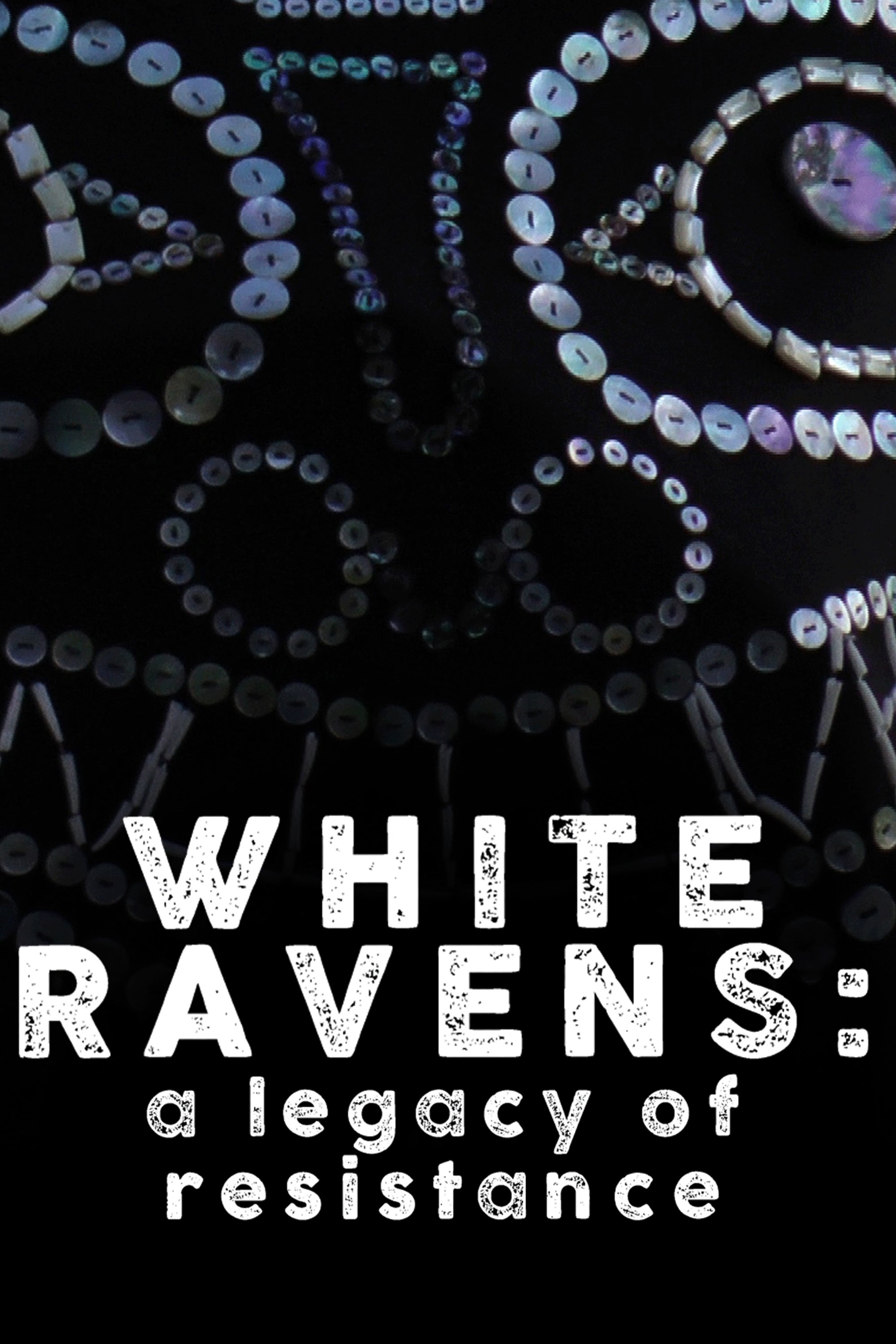
White Ravens: A Legacy of Resistance
Documentary
Overview
Filmed on the island of Haida Gwaii, this documentary depicts the ongoing resistance and resurgence of the Haida people and their culture against the different manifestations and trauma of colonization.
Top Cast



Towustasin Stocker
Towustasin Stocker
Self
Towustasin Stocker
Self
Ralph Stocker
Ralph Stocker
Self
Ralph Stocker
Self
George Yeltatzie
George Yeltatzie
Self
George Yeltatzie
Self
Erika Stocker
Erika Stocker
Self
Erika Stocker
Self
Geoff Greene
Geoff Greene
Self
Geoff Greene
Self
Vern Williams
Vern Williams
Self
Vern Williams
Self
William Brotchie
William Brotchie
Self
William Brotchie
Self
Raven LeBlanc
Raven LeBlanc
Self
Raven LeBlanc
Self
Lisa White
Lisa White
Self
Lisa White
Self
Rob Clayton
Rob Clayton
Self
Rob Clayton
Self
Similar Movies
Follow filmmaker Elle-Máijá Tailfeathers as she creates an intimate portrait of her community and the impacts of the substance use and overdose epidemic. Witness the change brought by community members with substance-use disorder, first responders and medical professionals as they strive for harm reduction in the Kainai First Nation.
WINHANGANHA (Wiradjuri language: Remember, know, think) - is a lyrical journey of archival footage and sound, poetry and original composition. It is an examination of how archives and the legacies of collection affect First Nations people and wider Australia, told through the lens of acclaimed Wiradjuri artist, Jazz Money.
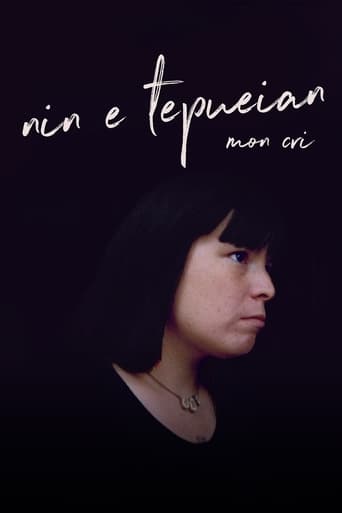
NIN E TEPUEIAN - MY CRY is a documentary tracks the journey of Innu poet, actress and activist, Natasha Kanapé Fontaine, at a pivotal time in her career as a committed artist. Santiago Bertolino's camera follows a young Innu poet over the course of a year. A voice rises, inspiration builds; another star finds its place amongst the constellation of contemporary Indigenous literature. A voice of prominent magnitude illuminates the road towards healing and renewal: Natasha Kanapé Fontaine.
Filmed on location in Saskatchewan from the Qu'Appelle Valley to Hudson Bay, the documentary traces the filmmaker's quest for her Native foremothers in spite of the reluctance to speak about Native roots on the part of her relatives. The film articulates Métis women's experience with racism in both current and historical context, and examines the forces that pushed them into the shadows.
Contrasting ancient myth and modern reality, this short documentary examines the legendary relationship between West Coast Indigenous people and salmon, once their staple food. In the mythical realm, we learn how Raven finds riches in the harvest of the salmon, only to lose everything through a thoughtless act against the Spirit of the Salmon. So too does modern man jeopardize his living from the sea by heedless action. Images of ancient spear-fishing and smoke-houses contrast with images of today's Indigenous people operating a seiner and working in a cooperative cannery.
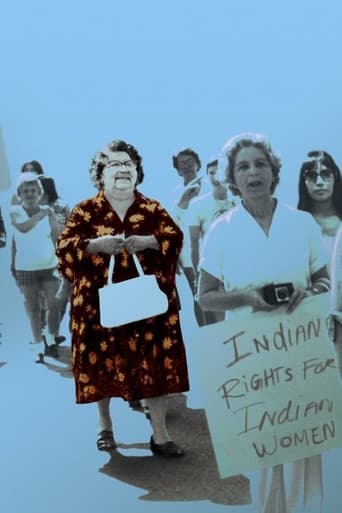
After marrying a settler, Mary Two-Axe Earley lost her legal status as a First Nations woman. Dedicating her life to activism, she campaigned to have First Nations women's rights restored and coordinated a movement that continues to this day. Kahnawake filmmaker Courtney Montour honours this inspiring leader while drawing attention to contemporary injustices that remain in this era of truth and reconciliation.
Gurdeep is a thirteen-year-old Canadian Sikh whose family runs a dairy farm near Chilliwack, British Columbia. They have retained their language and religion. Attendance at the Sikh temple, playing soccer with his schoolmates, and working on the farm are all part of Gurdeep's well-integrated life, but sometimes he feels a little different from the other children because he wears a turban. This film is part of the Children of Canada series.