

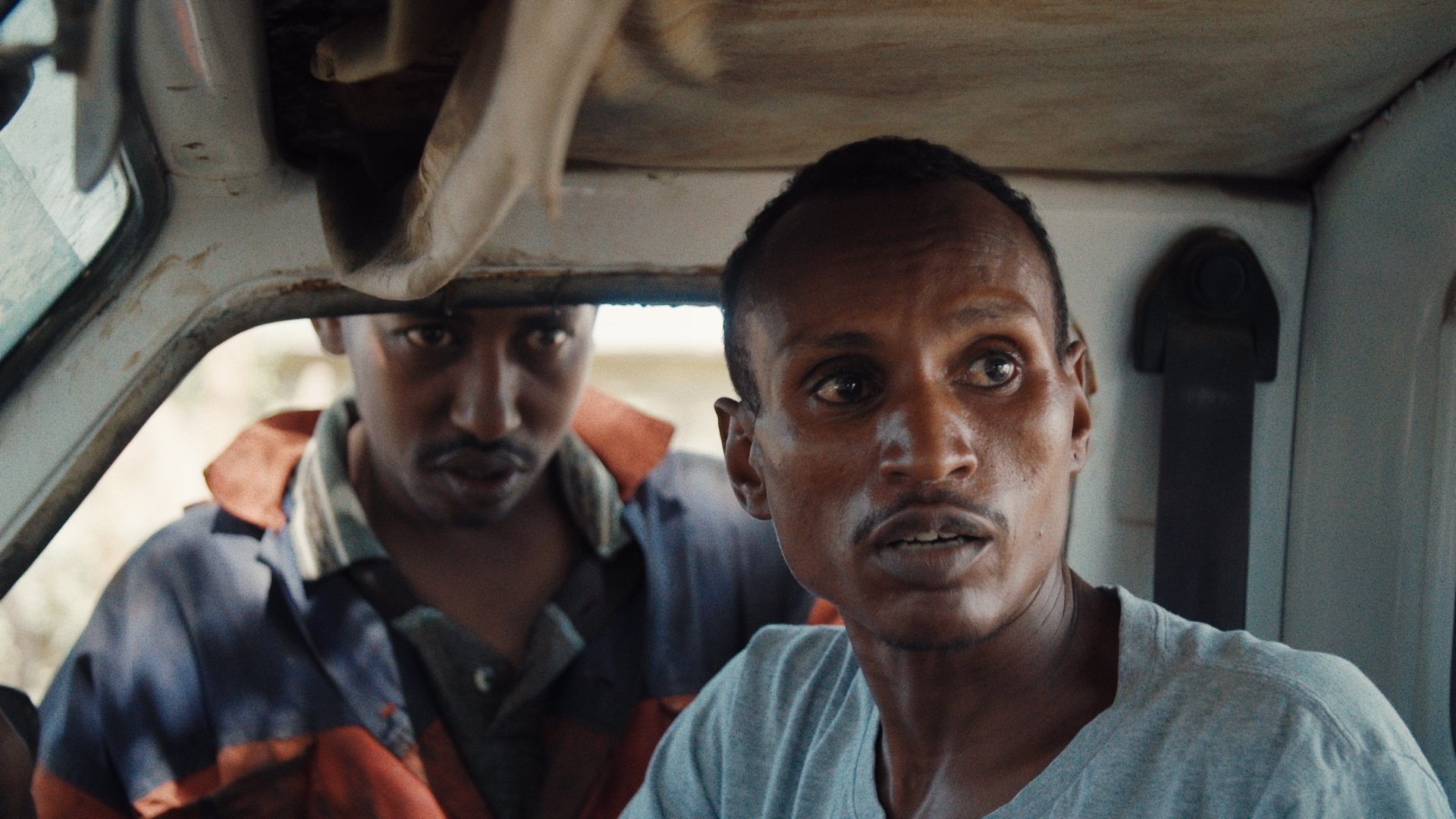

When Lambs Become Lions
Documentary
Overview
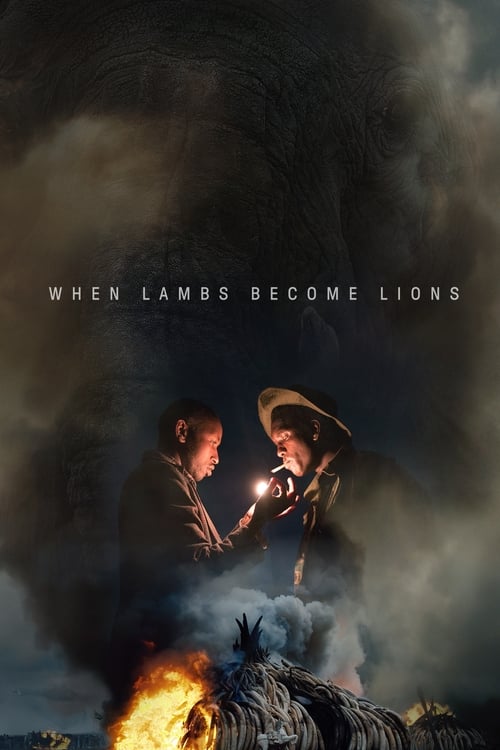
In the Kenyan bush, a crackdown on ivory poaching forces a silver-tongued second-generation poacher to seek out an unlikely ally in this fly-on-the-wall look at both sides of the conservation divide.

No cast information.
Similar Movies
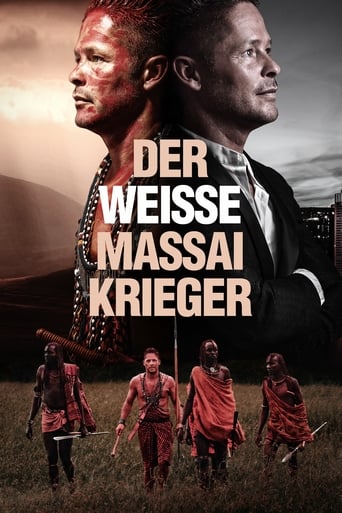
For the first time in history, a white man has been invited to become a Massai Warrior. The Massai of East Africa are one of the last tribes on earth to live as they did hundreds of years ago. Benjamin will live among the tribe, sleeping, hunting, and surviving in the bush. He will get to know their culture, their customs of dancing and playing, and learn how to conquer the dangers of the wilderness. Will he be able to become a true Massai warrior? To become a Massai is a great journey into the unknown.
For African athletes making money abroad is the big goal. But Kenyan marathon runners need to be careful – the industry is ruthless and only few make it. For years, sports managers have been bringing African athletes to Europe to run in marathons with promises of potential prize money and a top career. For many it’s a means of escaping poverty. But what price do the marathon runners themselves pay? Long-distance running is among the toughest disciplines in the world. Professional marathon runners battle over seconds in a race more than 40km long - seconds that are often worth huge sums of money. Running has become a business. The prize money for a major event can be in five figures. Participants have to be world-class athletes to win these amounts.
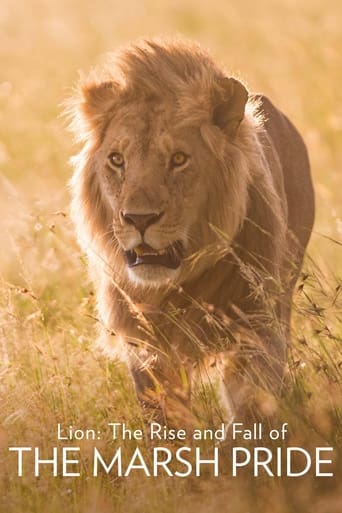
Documented in television documentaries for over 40 years by the BBC and other broadcasters around the world, the Marsh Pride is the most filmed pride of lions on Earth. In this film, the Marsh Pride battle for survival in Kenya's famous Maasai Mara Reserve, which has become a magnet for tourists, many of them keen to see the pride for themselves. A tale of shifting loyalties, bloody takeovers and sheer resilience, the lions’ story is told by those who filmed them, tried to protect them and lived alongside them, as well as some who ultimately wanted them dead.
In the Indian Ocean, off the coast of Kenya, there is an island. On this island there is a stone town; its stone buildings stand as skeletons of the splendor of its yesteryears. High tide, low tide, Full moon, new moon. Lamu is an island frozen in time. Now Africa’s largest port is being constructed. In order to evolve, what part of ourselves do we keep and what part do we leave behind?
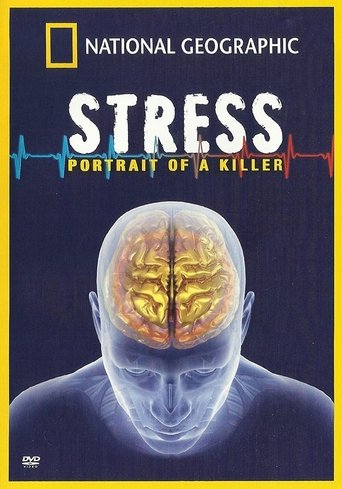
Over the last three decades, science has been advancing our understanding of stress: how it impacts our bodies and how our social standing can make us more or less susceptible. From baboon troops on the plains of Africa, to neuroscience labs at Stanford University, scientists are revealing just how lethal stress can be. Research tells us that the impact of stress can be found deep within us, shrinking our brains, adding fat to our bellies, even unraveling our chromosomes. Understanding how stress works can help us figure out ways to combat it and how to live a life free of the tyranny of this contemporary plague. In Stress: Portrait of a Killer, scientific discoveries in the field and in the lab prove that stress is not just a state of mind, but something measurable and dangerous.
Sexual violence against women is a very effective weapon in modern warfare: instills fear and spreads the seed of the victorious side, an outrageous method that is useful to exterminate the defeated side by other means. This use of women, both their bodies and their minds, as a battleground, was crucial for international criminal tribunals to begin to judge rape as a crime against humanity.