


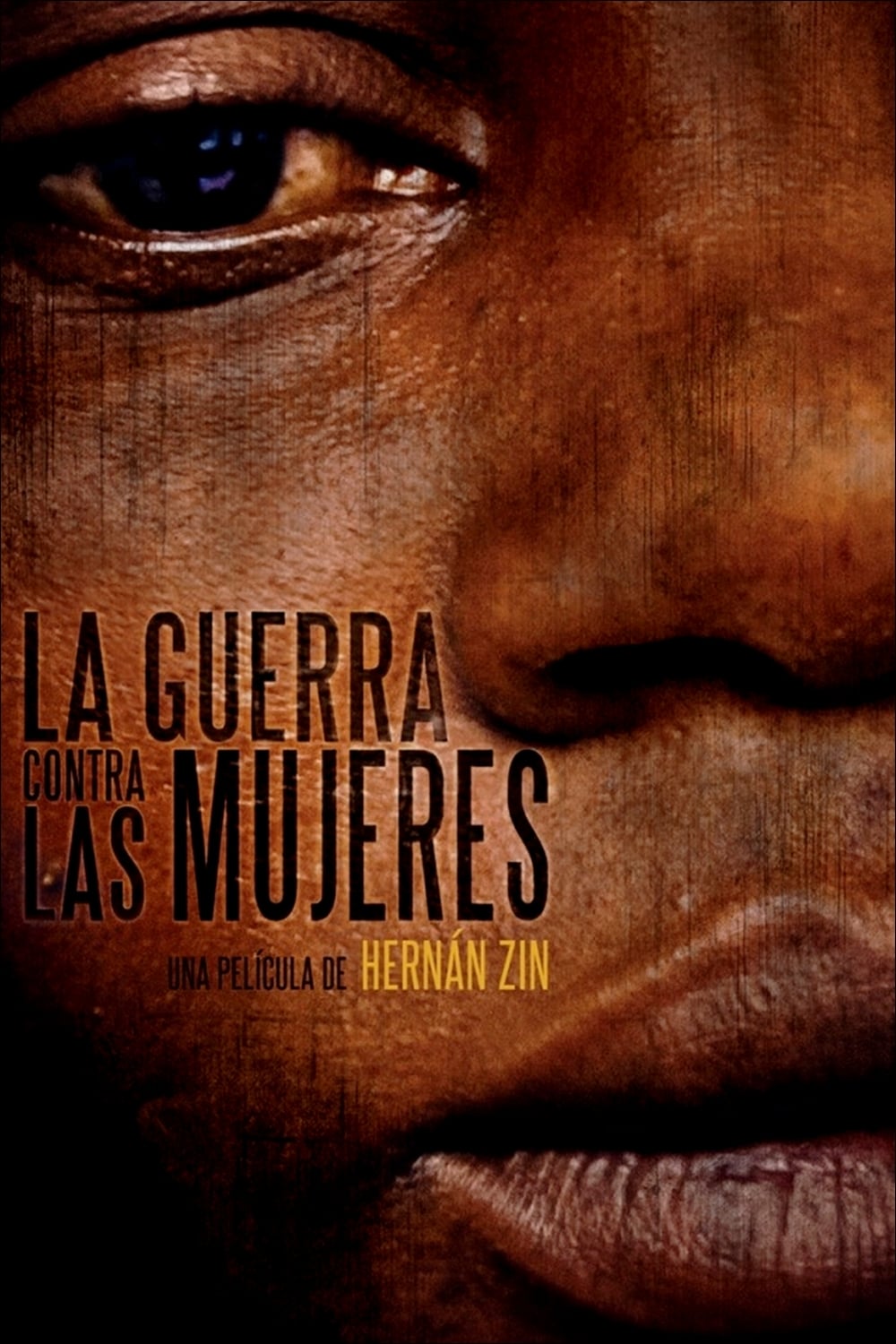

Documentary
Overview
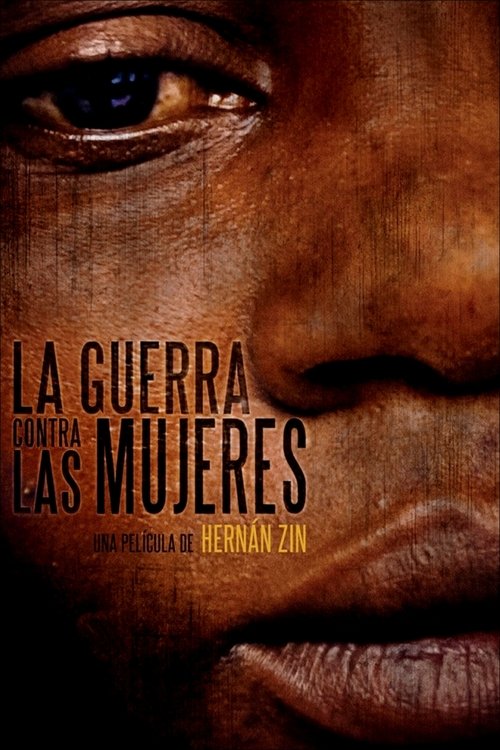
Sexual violence against women is a very effective weapon in modern warfare: instills fear and spreads the seed of the victorious side, an outrageous method that is useful to exterminate the defeated side by other means. This use of women, both their bodies and their minds, as a battleground, was crucial for international criminal tribunals to begin to judge rape as a crime against humanity.





No cast information.
Similar Movies

Six people, one room, one night, one game, a lot of sensuality and much to discover. A Film that shows how bodies and minds might meet when allowed to. Get involved within a stimulating experiment, somewhere between aesthetic statement and real venture, between pornographic art and the attempt to reposition sexuality within dialogue and actions.

Documentary about the sinking of the Britannic during the First World War, examining how she ultimately came to suffer the same fate as her sister ship, the Titanic. The Titanic sank in April 1912, and her sister ship, the Britannic, ultimately suffered the fate, sinking in 1916 due to an explosion caused by an underwater mine. In the wake of the Titanic disaster, Britannic was re-engineered to be even stronger. And yet she sank in just 55 minutes - three times faster than Titanic. It's one of Britain's greatest untold disaster stories. Now on the 100th anniversary, presenters Kate Humble and Andy Torbet piece together exactly what happened in those 55 minutes. While Andy makes a dangerous dive to the wreck, Kate speaks to descendants of the survivors. The characters she uncovers include Violet 'Miss Unsinkable' Jessops, who survived both Titanic and Britannic, Captain 'Iceberg Charlie' Bartlett and lookout Archie Jewell, who miraculously survived while those around him died.
Houda al-Habash, a conservative Muslim preacher, founded a Qur'an school for girls in Damascus, Syria when she was just 17 years old. Every summer, her female students immerse themselves in a rigorous study of Islam, in addition to their secular schooling. A surprising cultural shift is underway-women are claiming space within the mosque, a place historically dominated by men. Challenging tradition, Houda insists education for women is a form of worship. Using Qur'anic teachings, she encourages her students to pursue higher education, jobs, and public lives, while remaining committed to an interpretation of Islam prioritizing women's role as wives and mothers. In a world rarely seen, The Light In Her Eyes tells the story of a leader who challenges the women of her community to live according to Islam, without giving up their dreams. Shot right before the uprising in Syria erupted, the film is an exclusive look at a social movement thriving in a country controlled by a repressive regime
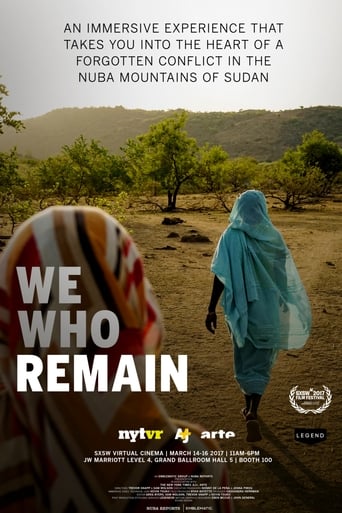
Sudan, Southern Kordofan, the Nuba Mountains in Africa. Scenes from the forgotten war that the fighters of the Nuba people have held since 2011 against the government of President Omar al-Bashir and the Sudanese army, which crudely show the hard daily life of Hannan, a brave woman fighting for the survival of her family; Jordania, a promising student; Mosquito, a reckless journalist; and Al-Bagir, a rebel leader.
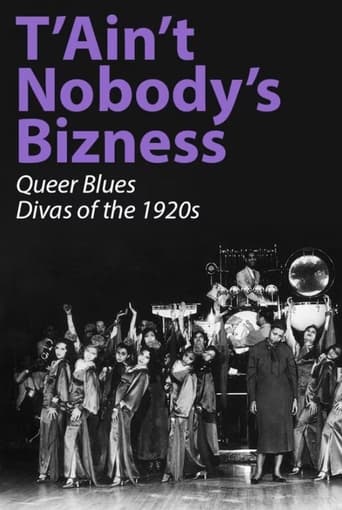
The 1920s saw a revolution in technology, the advent of the recording industry, that created the first class of African-American women to sing their way to fame and fortune. Blues divas such as Bessie Smith, Ma Rainey, and Alberta Hunter created and promoted a working-class vision of blues life that provided an alternative to the Victorian gentility of middle-class manners. In their lives and music, blues women presented themselves as strong, independent women who lived hard lives and were unapologetic about their unconventional choices in clothes, recreational activities, and bed partners. Blues singers disseminated a Black feminism that celebrated emotional resilience and sexual pleasure, no matter the source.

This documentary profiles economist and writer Marilyn Waring. In extensive interviews, Waring details her feminist approach to finances and challenges commonly accepted truths about the global economy. The filmmakers detail Waring's early rise to political prominence and her successful protests against nuclear arms. Waring also speaks candidly about wartime economies, suggesting that government policies tend to marginalize the fiscal contributions of women.
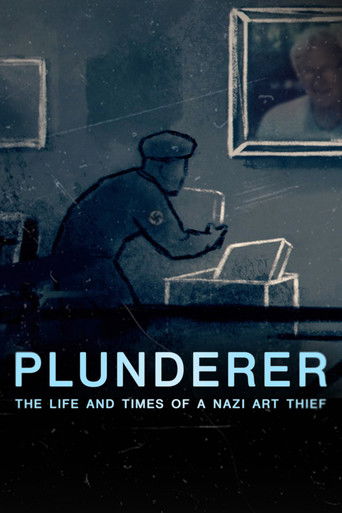
“It’s not every day that you meet an old Nazi.” So begins American historian Jonathan Petropoulos, recalling the day in 1998 when he met Bruno Lohse, who was Hermann Göring’s art agent in Paris during World War II. In this riveting account, Petropoulos details Lohse’s role in stealing countless masterpieces from prominent French and Dutch families, while evading meaningful punishment, and continuing to deal art profitably for most of the rest of his life. This explosively compelling tale calls the international art market to task for its continuing lack of regulation.