

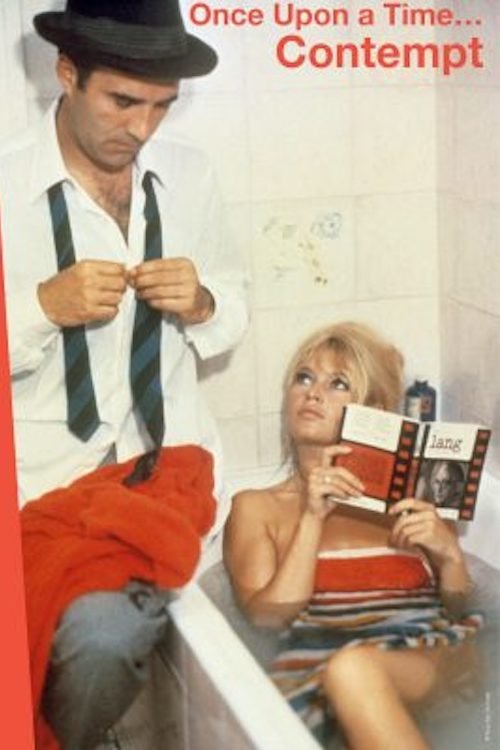
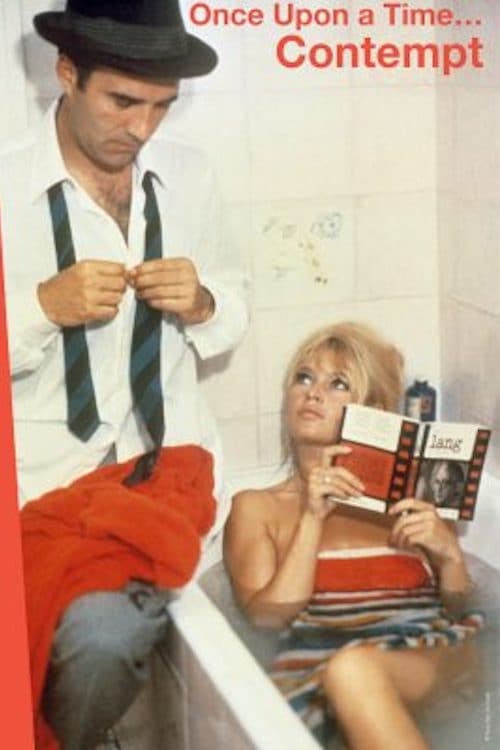
Once Upon a Time… Contempt
Documentary
Overview
Fourty-six years since the release of Le mépris, Jean-Luc Godard watches the film again to comment on it and its tumultuous production. Featuring interviews with: Jacques Rozier, Alain Bergala, Michel Piccoli, Charles Bitsch.







Brigitte Bardot
Brigitte Bardot
Self
Brigitte Bardot
Self
Alain Bergala
Alain Bergala
Self
Alain Bergala
Self
Charles L. Bitsch
Charles L. Bitsch
Self
Charles L. Bitsch
Self
Jean-Luc Godard
Jean-Luc Godard
Self
Jean-Luc Godard
Self
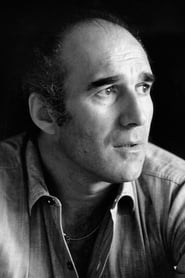
Michel Piccoli
Michel Piccoli
Self
Michel Piccoli
Self
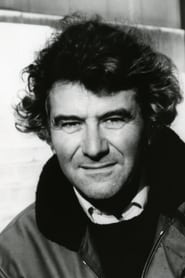
Jacques Rozier
Jacques Rozier
Self
Jacques Rozier
Self
Similar Movies
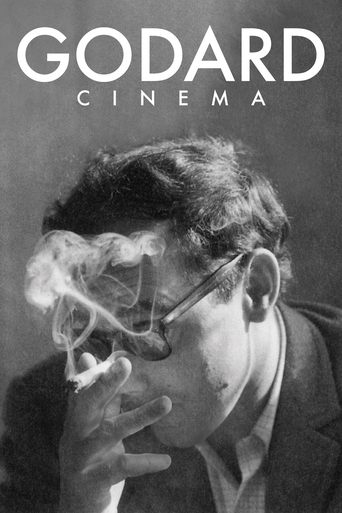
Jean-Luc Godard is synonymous with cinema. With the release of Breathless in 1960, he established himself overnight as a cinematic rebel and symbol for the era's progressive and anti-war youth. Sixty-two years and 140 films later, Godard is among the most renowned artists of all time, taught in every film school yet still shrouded in mystery. One of the founders of the French New Wave, political agitator, revolutionary misanthrope, film theorist and critic, the list of his descriptors goes on and on. Godard Cinema offers an opportunity for film lovers to look back at his career and the subjects and themes that obsessed him, while paying tribute to the ineffable essence of the most revered French director of all time.
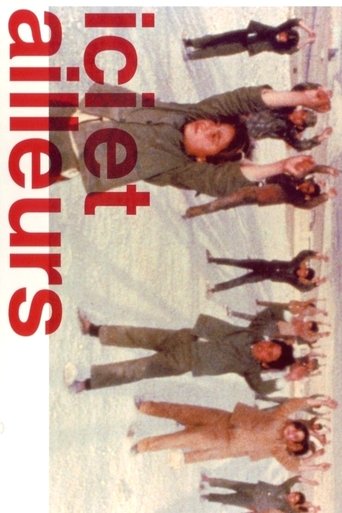
Here and Elsewhere takes its name from the contrasting footage it shows of the fedayeen and of a French family watching television at home. Originally shot by the Dziga Vertov Group as a film on Palestinian freedom fighters, Godard later reworked the material alongside Anne-Marie Miéville.
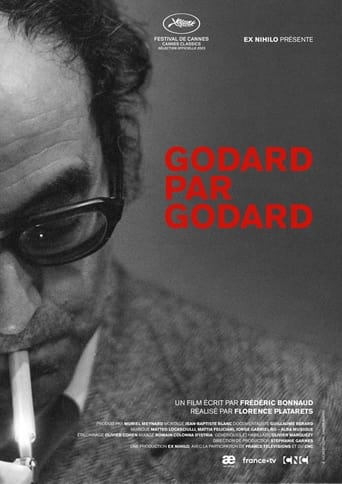
Godard by Godard is an archival self-portrait of Jean-Luc Godard. It retraces the unique and unheard-of path, made up of sudden detours and dramatic returns, of a filmmaker who never looks back on his past, never makes the same film twice, and tirelessly pursues his research, in a truly inexhaustible diversity of inspiration. Through Godard’s words, his gaze and his work, the film tells the story of a life of cinema; that of a man who will always demand a lot of himself and his art, to the point of merging with it.
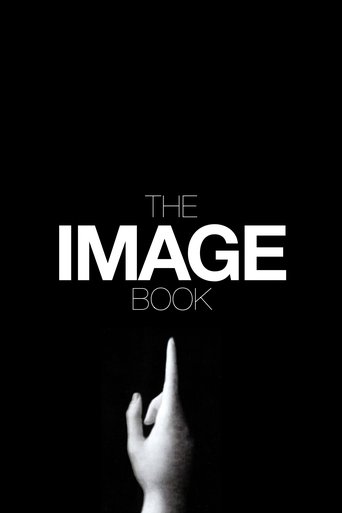
In Le Livre d’Image, Jean-Luc Godard recycles existing images (films, documentaries, paintings, television archives, etc.), quotes excerpts from books, uses fragments of music. The driving force is poetic rhyme, the association or opposition of ideas, the aesthetic spark through editing, the keystone. The author performs the work of a sculptor. The hand, for this, is essential. He praises it at the start. “There are the five fingers. The five senses. The five parts of the world (…). The true condition of man is to think with his hands. Jean-Luc Godard composes a dazzling syncopation of sequences, the surge of which evokes the violence of the flows of our contemporary screens, taken to a level of incandescence rarely achieved. Crowned at Cannes, the last Godard is a shock film, with twilight beauty.
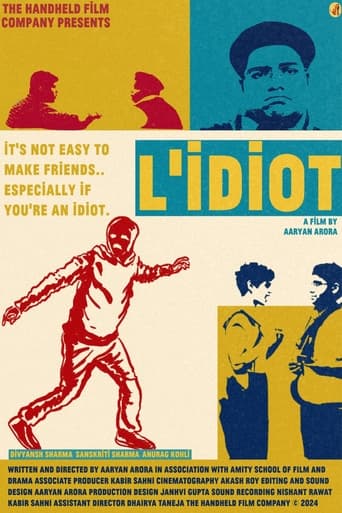
L'Idiot follows Rajat "Rinku" Chaddha, an awkward, daydreaming young man obsessed with French culture, as he attempts to win over Mona, a charismatic girl in his French class. With the help of a local thief, Rinku devises a plan to become Mona's hero, but things take an unexpected turn, forcing him to confront his fantasies and reality.