


Documentary · Drama
Overview
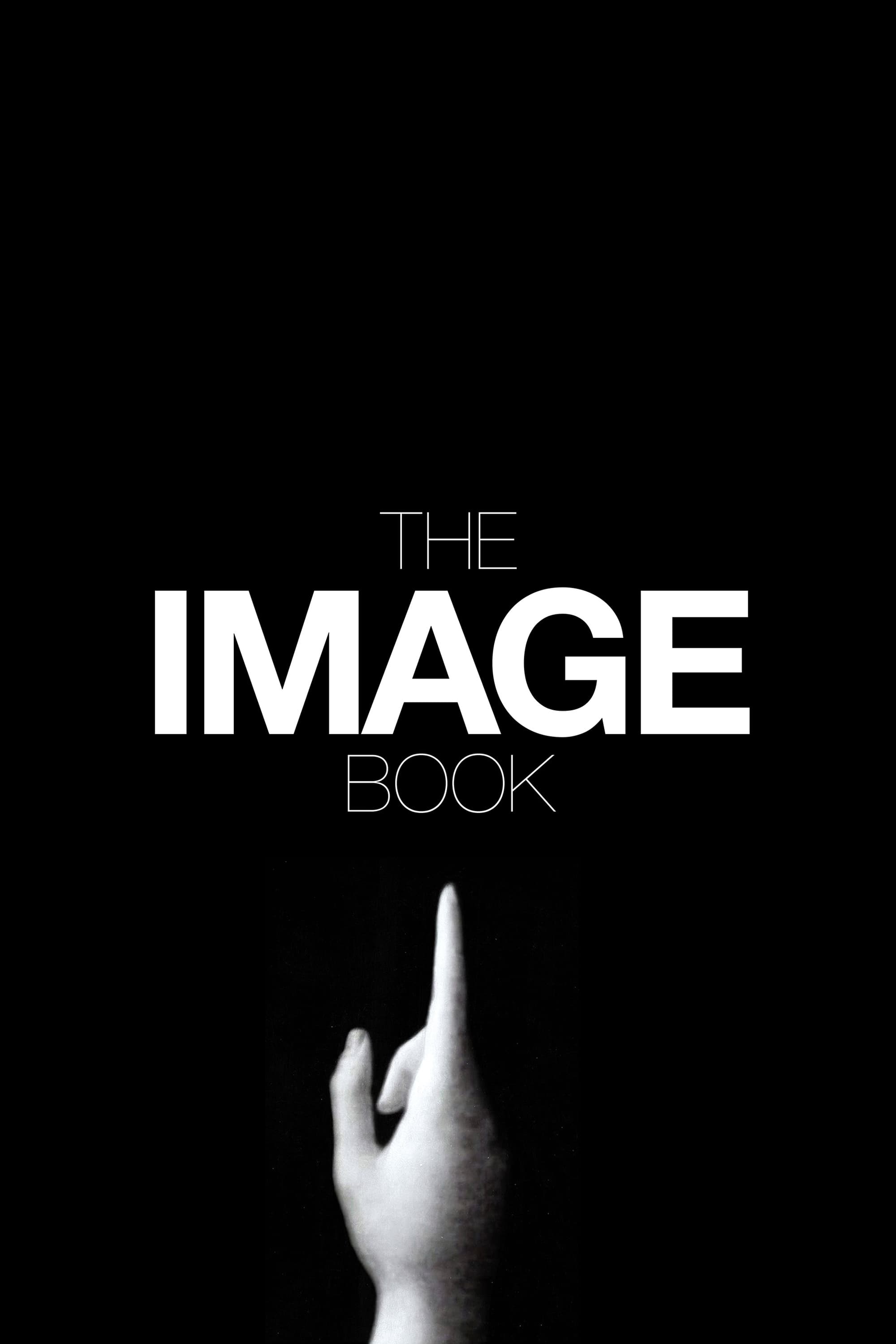
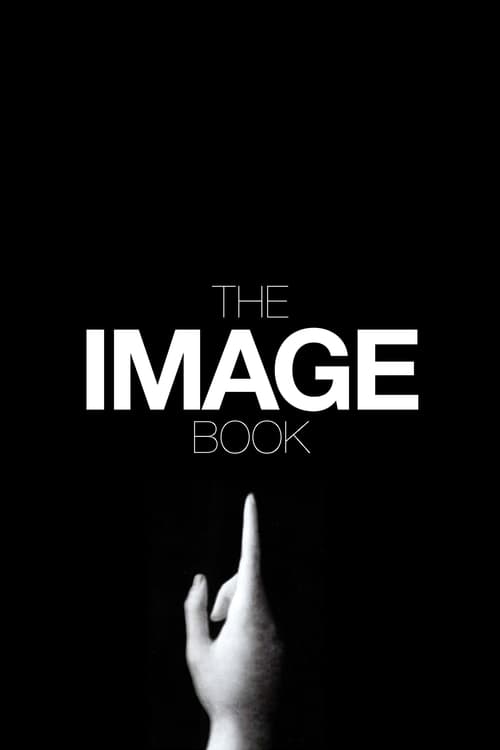
In Le Livre d’Image, Jean-Luc Godard recycles existing images (films, documentaries, paintings, television archives, etc.), quotes excerpts from books, uses fragments of music. The driving force is poetic rhyme, the association or opposition of ideas, the aesthetic spark through editing, the keystone. The author performs the work of a sculptor. The hand, for this, is essential. He praises it at the start. “There are the five fingers. The five senses. The five parts of the world (…). The true condition of man is to think with his hands. Jean-Luc Godard composes a dazzling syncopation of sequences, the surge of which evokes the violence of the flows of our contemporary screens, taken to a level of incandescence rarely achieved. Crowned at Cannes, the last Godard is a shock film, with twilight beauty.
Top Cast
Jean-Luc Godard
Narrator (voice)
Anne-Marie Miéville
Narrator (voice)
Jean-Pierre Gos
Narrator (voice)
Buster Keaton
(archive footage)
Jean Gabin
(archive footage)
Douglas Fairbanks
(archive footage)

Jean Marais
(archive footage)
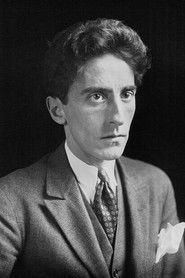
Jean Cocteau
(archive footage)
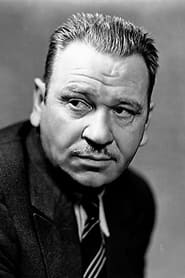
Wallace Beery
(archive footage)
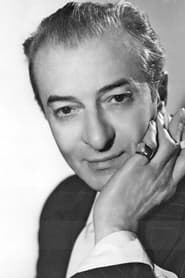
Jules Berry
(archive footage)

Eddie Constantine
(archive footage)

Roberto Cobo
(archive footage)
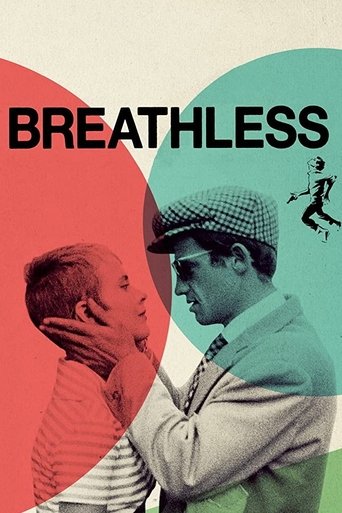

Jean-Luc Godard
Jean-Luc Godard
Narrator (voice)
Jean-Luc Godard
Narrator (voice)
Anne-Marie Miéville
Anne-Marie Miéville
Narrator (voice)
Anne-Marie Miéville
Narrator (voice)
Jean-Pierre Gos
Jean-Pierre Gos
Narrator (voice)
Jean-Pierre Gos
Narrator (voice)
Buster Keaton
Buster Keaton
(archive footage)
Buster Keaton
(archive footage)
Jean Gabin
Jean Gabin
(archive footage)
Jean Gabin
(archive footage)
Douglas Fairbanks
Douglas Fairbanks
(archive footage)
Douglas Fairbanks
(archive footage)
Jean Marais
Jean Marais
(archive footage)
Jean Marais
(archive footage)
Jean Cocteau
Jean Cocteau
(archive footage)
Jean Cocteau
(archive footage)
Wallace Beery
Wallace Beery
(archive footage)
Wallace Beery
(archive footage)
Jules Berry
Jules Berry
(archive footage)
Jules Berry
(archive footage)
Similar Movies
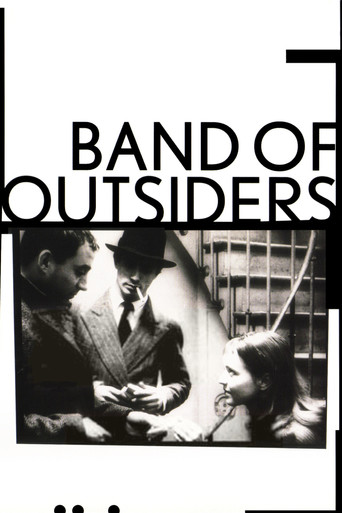
Cinephile slackers Franz and Arthur spend their days mimicking the antiheroes of Hollywood noirs and Westerns while pursuing the lovely Odile. The misfit trio upends convention at every turn, be it through choreographed dances in cafés or frolicsome romps through the Louvre. Eventually, their romantic view of outlaws pushes them to plan their own heist, but their inexperience may send them out in a blaze of glory -- which could be just what they want.
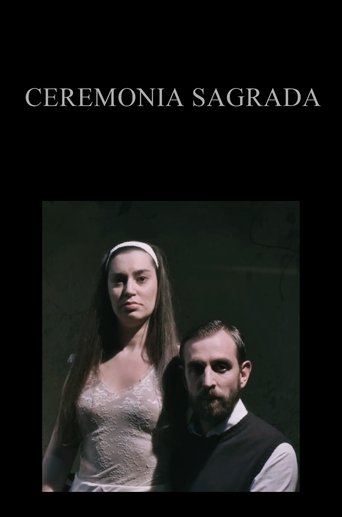
Two adult siblings, confined to their childhood home, live under the lingering presence of their parents, whose memory is mirrored in a portrait on the wall. They strive to preserve their existence through a “sacred ceremony” of nourishment and cleansing. Trapped in the family’s gilded cage, they become both inmates and bathers, with heightened senses that console and are consoled, faithful to rituals that have vanished from modern times, where everyone is violated by the rush of time. In a classic urban house, marked by decay, they tend to each other like young mammals in the wild— with love, with exposure, with violence, frustration, and shame.
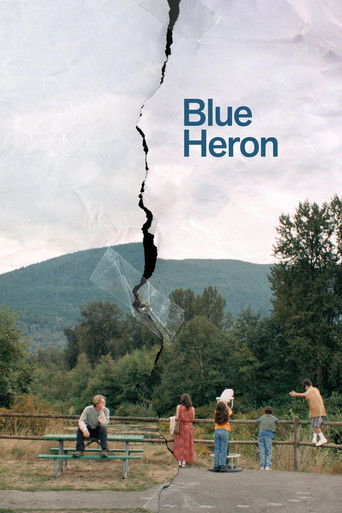
In the late 1990s, a family of six settles into their new home on Vancouver Island, as internal dynamics are slowly revealed through the experiences of the youngest child, Sasha. Their fresh start is interrupted by the increasingly dangerous behavior of Jeremy, the family's oldest child.
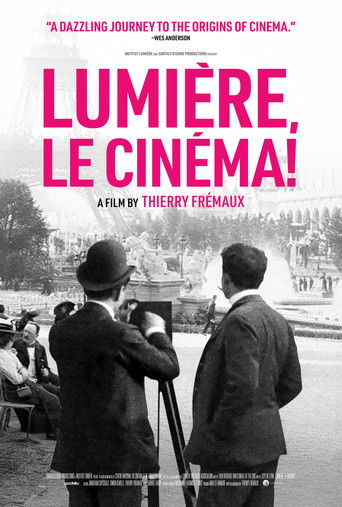
In one of those wonderful coincidences of history, lumière, the French word for “light,” was also the last name of brothers Auguste and Louis, whose brilliant invention, the cinematograph, helped to inaugurate the most beloved art form of the last 130 years. Institute Lumière director Thierry Frémaux uses Lumière, Le Cinema! to guide the viewer through over a hundred shorts—some famous, some forgotten, some never before seen—directed by Lumière and company. In the process, Frémaux illuminates how the brothers employed the camera as a creative instrument as they (and their operators) mastered framing, staging, and subject selection for quotidian and exotic microdocumentaries as well as the first ever fictional motion pictures. The result is not only a glorious re(telling) of the genesis of cinema but a profound meditation on the beautiful world captured—and the mysterious world imagined—by the Lumières.
Claude Lelouch was a Jewish child in occupied France. In this documentary, he talks about the trauma he still feels from that experience, but also how it inspired him to become a filmmaker. The 1940s appear to be a formative period, key to understanding the work and career of this famous director, whose films and life have always been inseparable.
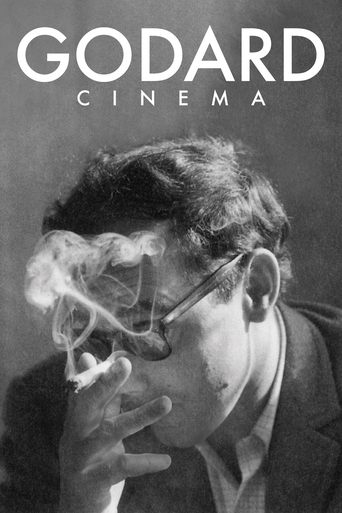
Jean-Luc Godard is synonymous with cinema. With the release of Breathless in 1960, he established himself overnight as a cinematic rebel and symbol for the era's progressive and anti-war youth. Sixty-two years and 140 films later, Godard is among the most renowned artists of all time, taught in every film school yet still shrouded in mystery. One of the founders of the French New Wave, political agitator, revolutionary misanthrope, film theorist and critic, the list of his descriptors goes on and on. Godard Cinema offers an opportunity for film lovers to look back at his career and the subjects and themes that obsessed him, while paying tribute to the ineffable essence of the most revered French director of all time.