


Looney Tunes 50th Anniversary
Documentary · Animation · History
Overview
Some of the biggest stars in show business pay a fun tribute to Bugs Bunny and the rest of the Looney Tunes to mark their 50th anniversary.







Eve Arden
Eve Arden
Self
Eve Arden
Self

Candice Bergen
Candice Bergen
Self
Candice Bergen
Self
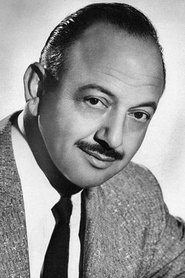
Mel Blanc
Mel Blanc
Self / Various Characters (voice)
Mel Blanc
Self / Various Characters (voice)

David Bowie
David Bowie
Self
David Bowie
Self
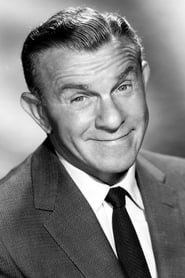
George Burns
George Burns
Self
George Burns
Self
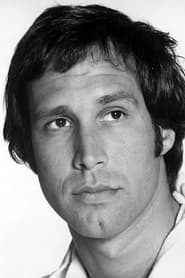
Chevy Chase
Chevy Chase
Self
Chevy Chase
Self

Cher
Cher
Self
Cher
Self

Kirk Douglas
Kirk Douglas
Self
Kirk Douglas
Self
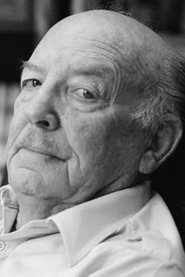
Friz Freleng
Friz Freleng
Self
Friz Freleng
Self

Jeff Goldblum
Jeff Goldblum
Self
Jeff Goldblum
Self
Similar Movies

This timely, bold set of one-on-one interviews presents two of the most venerable figures from the American Left—renowned historian Howard Zinn and linguist and philosopher Noam Chomsky—each reflecting upon his own life and political beliefs. At the age of 88, Howard Zinn reflects upon the Civil Rights and anti–Vietnam War movements, political empires, history, art, activism, and his political stance. Setting forth his personal views, Noam Chomsky explains the evolution of his libertarian socialist ideals, his vision for a future postcapitalist society, the Enlightenment, the state and empire, and the future of the planet.
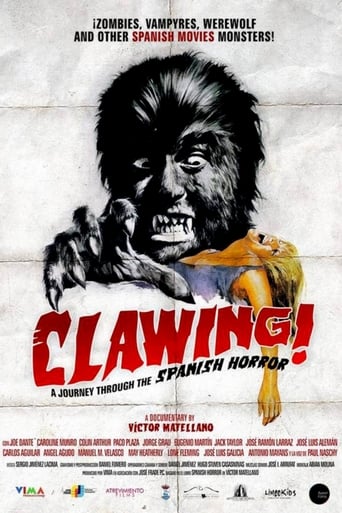
In the late sixties, Spanish cinema began to produce a huge amount of horror genre films: international markets were opened, the production was continuous, a small star-system was created, as well as a solid group of specialized directors. Although foreign trends were imitated, Spanish horror offered a particular approach to sex, blood and violence. It was an extremely unusual artistic movement in Franco's Spain.

A portrait of Chinese writer Liu Xiaobo (1955-2017), a witness of the Tiananmen Square massacre (1989), a dissident, a woodpecker who tirelessly pecked the putrid brain of the Communist regime for decades, demanding democracy loudly and fearlessly. Silenced, arrested, convicted, imprisoned, dead. Nobel Peace Prize winner in 2010, alive forever. These are his last words.
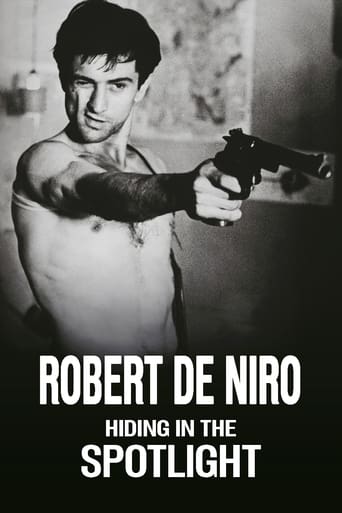
Robert De Niro is famous for his award-winning portrayals of gangsters, criminals and socially disturbed men who show surprising traces of vulnerability. By analyzing his astonishing roles in iconic films through the years, the documentary reveal the complex actor behind these extreme characters. Because the public knows little about the man who is largely silent about his own life and emotions, this film tries to unwraps one of the most fascinating and enigmatic American actors of all time for the audience. For this the filmakers use clips from his feature films, archive footage of his sparse interviews and probe into his background to illustrate De Niro’s methods for becoming the characters he plays and the reasons he’s able to do so. All of this culminates in a rare exposé of the genesis of the hidden pain that enables the masterful actor to bring such intensity to the big screen.
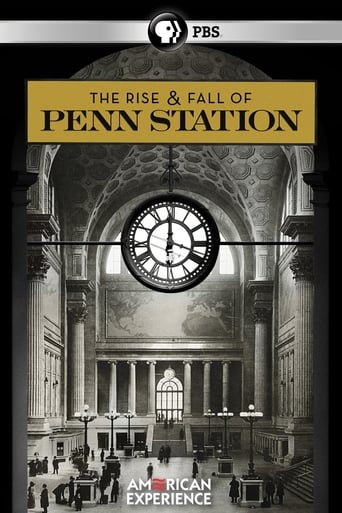
In 1910, the Pennsylvania Railroad successfully accomplished the enormous engineering feat of building tunnels under New York City's Hudson and East Rivers, connecting the railroad to New York and New England, knitting together the entire eastern half of the United States. The tunnels terminated in what was one of the greatest architectural achievements of its time, Pennsylvania Station. Penn Station covered nearly eight acres, extended two city blocks, and housed one of the largest public spaces in the world. But just 53 years after the station’s opening, the monumental building that was supposed to last forever, to herald and represent the American Empire, was slated to be destroyed.
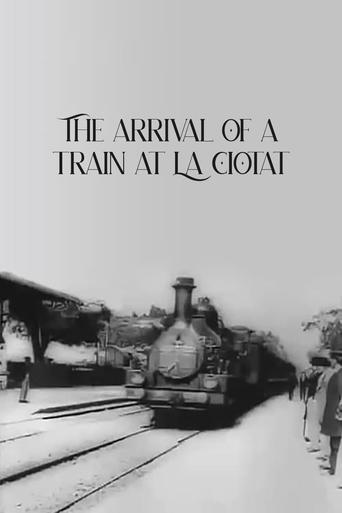
A group of people are standing along the platform of a railway station in La Ciotat, waiting for a train. One is seen coming, at some distance, and eventually stops at the platform. Doors of the railway-cars open and attendants help passengers off and on. Popular legend has it that, when this film was shown, the first-night audience fled the café in terror, fearing being run over by the "approaching" train. This legend has since been identified as promotional embellishment, though there is evidence to suggest that people were astounded at the capabilities of the Lumières' cinématographe.