

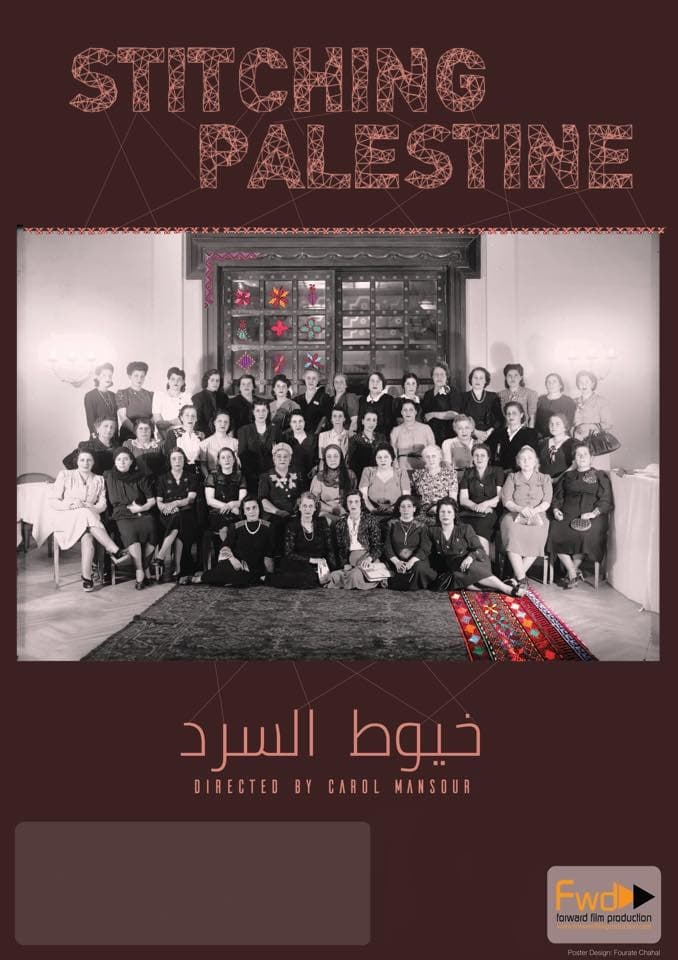
Stitching Palestine
Documentary
Overview
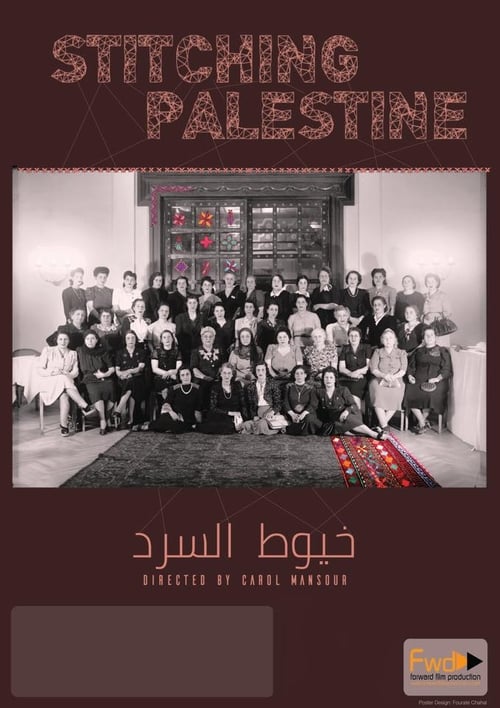
Twelve Palestinian women sit before us and talk of their life before the Diaspora, of their memories, of their lives and of their identity. Their narratives are connected by the enduring thread of the ancient art of embroidery. Twelve resilient, determined and articulate women from disparate walks of life: lawyers, artists, housewives, activists, architects, and politicians stitch together the story of their homeland, of their dispossession, and of their unwavering determination that justice will prevail. Through their stories, the individual weaves into the collective, yet remaining distinctly personal. Twelve women, twelve life-spans, and stories from Palestine; a land whose position was fixed on the map of the world, but is now embroidered on its face.


Suad al-Amiry
Suad al-Amiry
herself
Suad al-Amiry
herself
Leila Atshan
Leila Atshan
herself
Leila Atshan
herself
Malak al-Husseini AbdelRahim
Malak al-Husseini AbdelRahim
herself
Malak al-Husseini AbdelRahim
herself
Huda Al Imam
Huda Al Imam
Herself
Huda Al Imam
Herself
Amal Kaawash
Amal Kaawash
herself
Amal Kaawash
herself
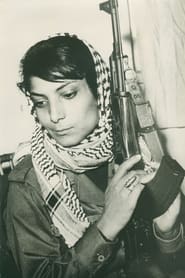
Leila Khaled
Leila Khaled
herself
Leila Khaled
herself
Mary Nazzal Batayneh
Mary Nazzal Batayneh
herself
Mary Nazzal Batayneh
herself
Dina Nasser
Dina Nasser
Herself
Dina Nasser
Herself
Nazmiyeh Salem
Nazmiyeh Salem
herself
Nazmiyeh Salem
herself
Raeda Taha
Raeda Taha
herself
Raeda Taha
herself
Similar Movies
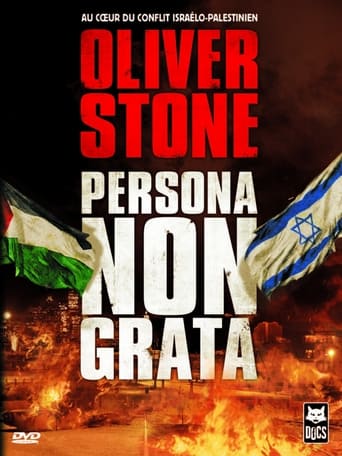
2003 documentary film produced by Oliver Stone for the HBO series America Undercover about the conflict in occupied Palestine. He speaks with Ehud Barak and Benjamin Netanyahu, former prime ministers of Israel, Yasser Arafat, late president of the Palestinian National Authority, and various Palestinian activists resisting the oppression of the zionist regime.
History is Marching is a feature length documentary analysing the rise in tensions between major powers across the globe over the course of 2018. The film follows western history from 1945 to the present day, before looking at how capitalist society is today breaking down into the largest crisis in its history. Socialism or extinction?

An autobiographical work that traces the director’s return to Israel in the midst of its traumatic moment and horrific acts in Gaza. As his aging father suffers the onset of dementia, Sharim’s poetic meditations on loss are juxtaposed against the conflicted, agonizing histories of Palestine and Israel, and a destabilized future.
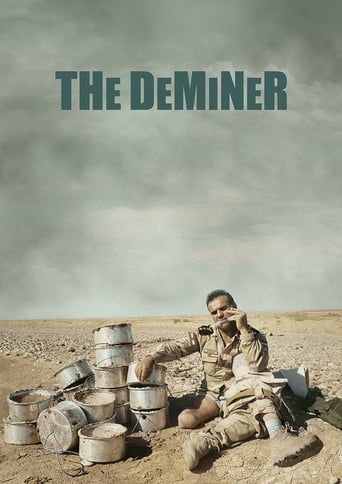
In the chaotic aftermath of the fall of Saddam Hussein, Fakhir, a father of eight, is serving in the Iraqi army. All around him, he sees innocent civilians getting injured by landmines, so he determines to disarm them with his own hands, using just a pocketknife and some wire cutters. He clears thousands of roadside bombs, mines and car bombs, knowing that every time he cuts a wire it could cost him his life—which he seems to find less important than the lives of others. In 2014, by this time having lost a leg, he starts working for the Kurdish Peshmerga, disarming boobytraps left behind by Daesh in and around Mosul. An enthusiastic home video maker, Fakhir collects hundreds of hours of footage of his day-to-day work.
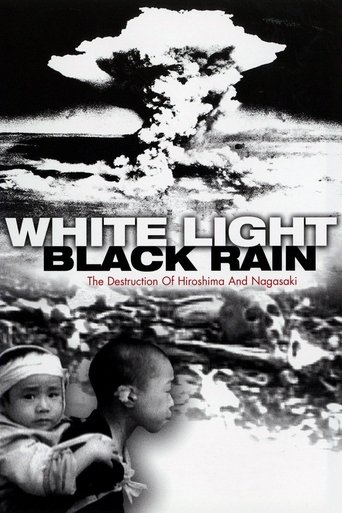
Steven Okazaki presents a deeply moving look at the painful legacy of the first -- and hopefully last -- uses of nuclear weapons in war. Featuring interviews with fourteen atomic bomb survivors - many who have never spoken publicly before - and four Americans intimately involved in the bombings, White Light/Black Rain provides a detailed exploration of the bombings and their aftermath.

After 20 years of living in Berlin, the director Olga Delane goes back to her roots in a small Siberian village, where she is confronted with traditional views of relationships, life and love. The man is the master in the home; the woman’s task is to beget children and take care of the household (and everything else, too). Siberian Love provides unrivaled insights into the (love) life of a Siberian village and seeks the truth around the universal value of traditional relationships.
Stolen Kosovo is a Czech language documentary by director Václav Dvořák (b. 1948), about the Serbian–Albanian conflict in Kosovo. The documentary describes the situation, first in a short overview of the history of the area, followed by the 1990s conflicts and bombing of Serbia by NATO forces in 1999 and ending with the situation after the Kosovo War. The documentary focuses on the 1990s in the time of Slobodan Milošević's rule as well as on numerous interviews of Serbian civilians and, less, of Albanian insurgents against the Milošević regime.