

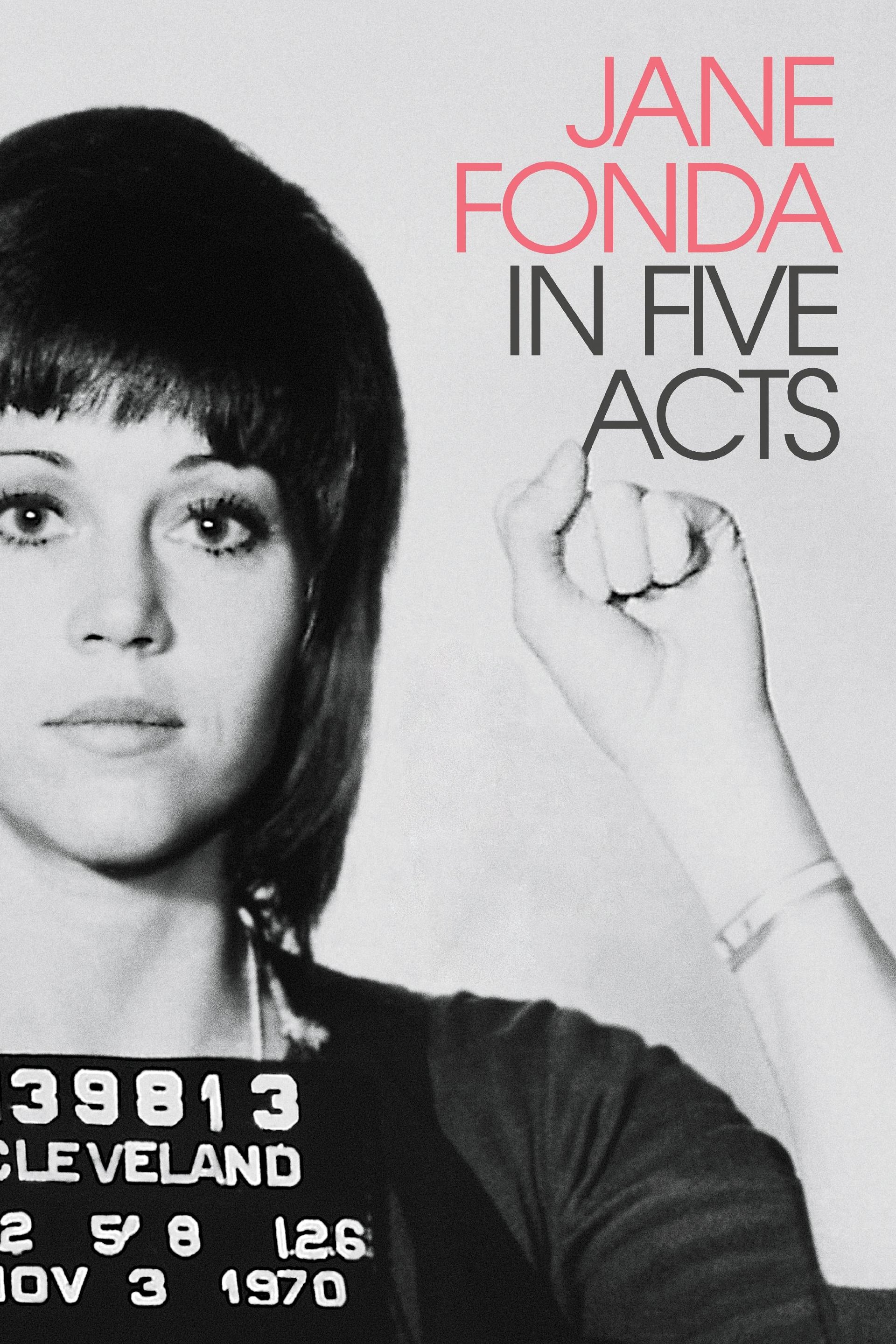
Jane Fonda in Five Acts
Documentary
Overview
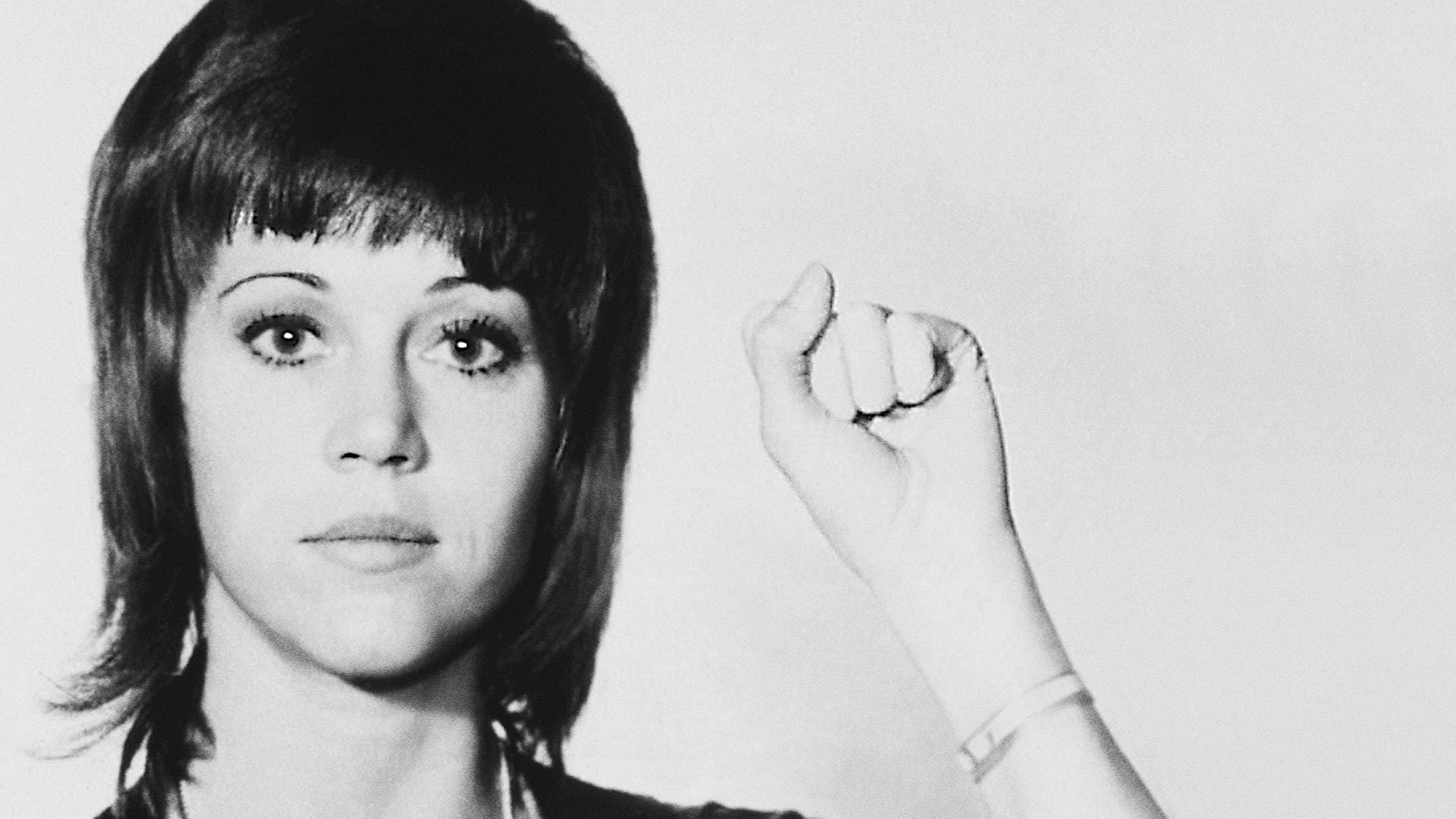
Girl next door, activist, so-called traitor, fitness tycoon, Oscar winner: Jane Fonda has lived a life of controversy, tragedy and transformation – and she’s done it all in the public eye. An intimate look at one woman’s singular journey.
Top Cast
Jane Fonda
Self - (archive footage)
Tom Hayden
Self - (archive footage)

Robert Redford
Self - (archive footage)

Lily Tomlin
Self - (archive footage)

Ted Turner
Self - (archive footage)
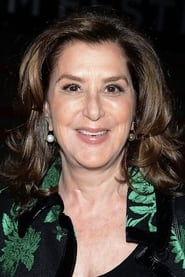
Paula Weinstein
Self - (archive footage)
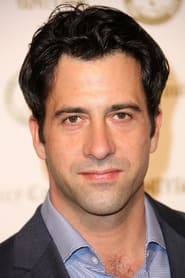
Troy Garity
Self - (archive footage)

Sam Waterston
Self - (archive footage)
Mary Luana Williams
Self - (archive footage)
Malcolm Vadim
Self - (archive footage)
Viva Vadim
Self - (archive footage)




Jane Fonda
Jane Fonda
Self - (archive footage)
Jane Fonda
Self - (archive footage)
Tom Hayden
Tom Hayden
Self - (archive footage)
Tom Hayden
Self - (archive footage)
Robert Redford
Robert Redford
Self - (archive footage)
Robert Redford
Self - (archive footage)
Lily Tomlin
Lily Tomlin
Self - (archive footage)
Lily Tomlin
Self - (archive footage)
Ted Turner
Ted Turner
Self - (archive footage)
Ted Turner
Self - (archive footage)
Paula Weinstein
Paula Weinstein
Self - (archive footage)
Paula Weinstein
Self - (archive footage)
Troy Garity
Troy Garity
Self - (archive footage)
Troy Garity
Self - (archive footage)
Sam Waterston
Sam Waterston
Self - (archive footage)
Sam Waterston
Self - (archive footage)
Mary Luana Williams
Mary Luana Williams
Self - (archive footage)
Mary Luana Williams
Self - (archive footage)
Malcolm Vadim
Malcolm Vadim
Self - (archive footage)
Malcolm Vadim
Self - (archive footage)
Similar Movies
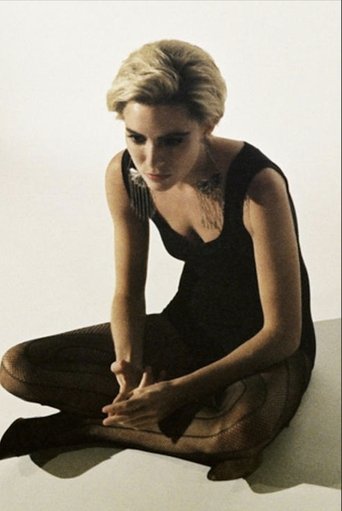
A documentary about Edie Sedgwick featuring photos of her and clips from Factory Girl, narrated by her real-life friends and loved ones, including her brother Jonathan, cousin John Sedgwick, roommate Danny Fields, artists Richie Berlin and Gerard Malanga, photographer Nat Finkelstein, designer Betsey Johnson, and others.
When Francois Truffaut approached Alfred Hitchcock in 1962 with the idea of having a long conversation with him about his work and publishing this in book form, he didn't imagine that more than four years would pass before Le Cinéma selon Hitchcock finally appeared in 1966. Not only in France but all over the world, Truffaut's Hitchcock interview developed over the years into a standard bible of film literature. In 1983, three years after Hitchcock's death, Truffaut decided to expand his by now legendary book to include a concluding chapter and have it published as the "Edition définitive". This film describes the genesis of the "Hitchbook" and throws light on the strange friendship between two completely different men. The centrepieces are the extracts from the original sound recordings of the interview with the voices of Alfred Hitchcock, Francois Truffaut, and Helen Scott – recordings which have never been heard in public before.
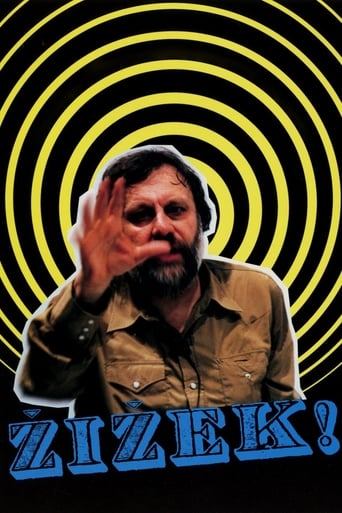
ŽIŽEK! trails the thinker as he crisscrosses the globe, racing from New York City lecture halls, through the streets of Buenos Aires, and even stopping at home in Ljubljana, Slovenia. All the while Žižek obsessively reveals the invisible workings of ideology through his unique blend of Lacanian psychoanalysis, Marxism, and critique of pop culture.
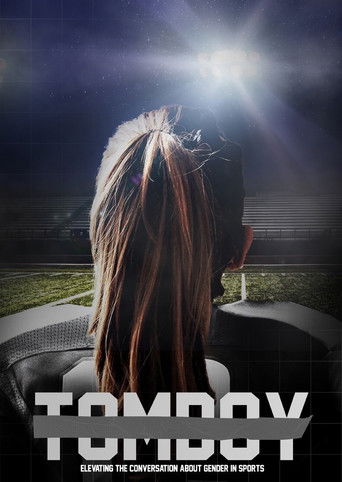
TOMBOY explores the obstacles that young girls encounter on the recreational stage, the stereotypes, language issues and cultural disparities that follow, and ultimately the insufficient media coverage and compensation that afflicts elite professional athletes seeking full recognition for their talents. The journey of the female athlete is often discouraging, and despite progress achieved during the Title IX era, gender equity in athletics has a long way to go.
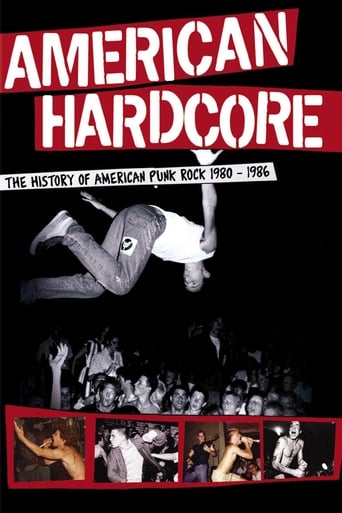
Inspired by Steven Blush's book "American Hardcore: A tribal history" Paul Rachman's feature documentary debut is a chronicle of the underground hardcore punk years from 1979 to 1986. Interviews and rare live footage from artists such as Black Flag, Bad Brains, Minor Threat, SS Decontrol and the Dead Kennedys.
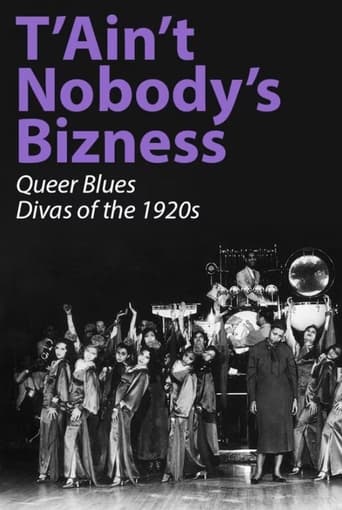
The 1920s saw a revolution in technology, the advent of the recording industry, that created the first class of African-American women to sing their way to fame and fortune. Blues divas such as Bessie Smith, Ma Rainey, and Alberta Hunter created and promoted a working-class vision of blues life that provided an alternative to the Victorian gentility of middle-class manners. In their lives and music, blues women presented themselves as strong, independent women who lived hard lives and were unapologetic about their unconventional choices in clothes, recreational activities, and bed partners. Blues singers disseminated a Black feminism that celebrated emotional resilience and sexual pleasure, no matter the source.

This horror documentary is not the same as the 1986 TV special Stephen King's World of Horror nor the 1988 VHS release of the same name, which runs 45 minutes, was distributed by Front Row Entertainment and is about King himself. Instead, This Is Horror (copyright 1989) was a TV special which ran in four 60 minute increments. This new special used some framing footage from the original 'World of Horror' but is primarily newer interviews and behind-the-scenes footage about what was hot in horror in the late 80s. Here in the U.S., a condensed 90-minute version made its way onto video courtesy of Goodtimes in 1990. Elsewhere, the entire special was released as 2 different tapes running 90 minutes apiece. In the UK these were titled This is Horror: A Video Encyclopedia of Horror (Volumes 1 and 2) and in Germany they were called Best of Stephen King's World of Horror (Parts 1 & 2).
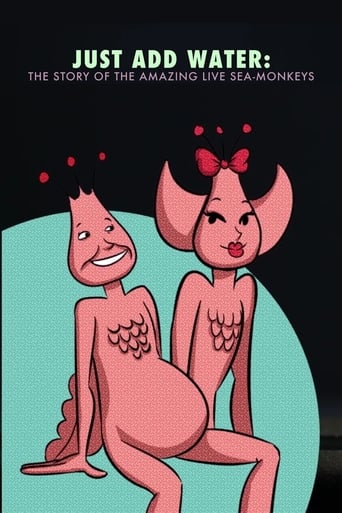
The Story of the Amazing Live Sea-Monkeys is the colourful and surprising true story of a man named Harold von Braunhut; a man who could look at the humblest of creatures – the brine shrimp – and imagine an empire built upon it. Breezy, colourful short about a half-century of marketing directly to children, the force of nostalgia in pop culture, and an unlikely meeting of flimflam and hard science.